
Kannada: A Rich and Vibrant Language That Connects Millions Across India
By Emma Valentine
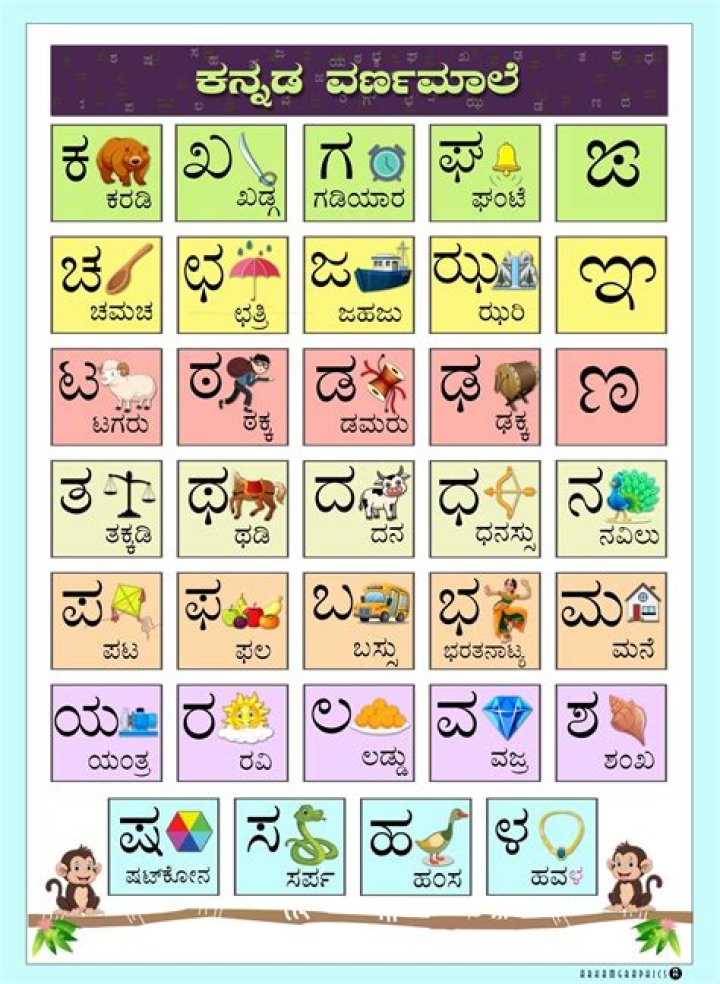
Kannada, a language spoken by millions, is one of the oldest and most prominent Dravidian languages in India. With its rich history and cultural significance, Kannada continues to play a vital role in shaping the identity of Karnataka and its people. This article delves deep into the world of Kannada, exploring its origins, cultural importance, and modern relevance.
Kannada is not just a language but a bridge that connects communities, traditions, and generations. It has been recognized as a Classical Language of India, underscoring its historical and literary importance. As we explore this fascinating language, we'll uncover its unique features, evolution, and contributions to global culture.
This article is designed to provide a comprehensive understanding of Kannada, making it an essential resource for learners, enthusiasts, and scholars alike. Whether you're interested in linguistics, history, or culture, this article promises to deliver valuable insights into the world of Kannada.
History and Origins of Kannada
The history of Kannada dates back thousands of years, with evidence of its existence found in inscriptions from as early as the 5th century CE. This ancient Dravidian language has undergone significant evolution over the centuries, adapting to changes in society and culture. The earliest known Kannada inscription, the Halmidi inscription, is a testament to the language's rich heritage.
Over time, Kannada has been influenced by various cultures, including Sanskrit, which contributed to its vocabulary and grammar. The language has also seen contributions from neighboring languages, enriching its linguistic landscape. Today, Kannada is spoken by over 50 million people, making it one of the most widely spoken languages in India.
The Kannada Script: A Unique Writing System
The Kannada script, known for its elegant curves and distinctive characters, is an integral part of the language's identity. This writing system is derived from the ancient Brahmi script and has evolved over centuries to become the script we recognize today. Each character in the Kannada script represents a specific sound, allowing for precise communication.
Features of the Kannada Script
- Consists of consonants, vowels, and modifiers
- Written from left to right
- Includes unique characters not found in other scripts
Learning the Kannada script is an essential step for anyone interested in mastering the language. With its logical structure and phonetic nature, the script is both fascinating and accessible to learners.
Kannada Dialects: Diversity in Language
One of the most intriguing aspects of Kannada is its diversity in dialects. Across Karnataka and neighboring regions, various dialects of Kannada are spoken, each with its own unique characteristics. These dialects reflect the cultural and geographical differences within the Kannada-speaking community.
Key Kannada Dialects
- Old Kannada
- North Karnataka Kannada
- Coastal Kannada
- City Kannada
Understanding these dialects provides a deeper appreciation of the language's complexity and adaptability. Each dialect brings its own flavor to the Kannada language, making it a vibrant and dynamic form of communication.
Kannada Literature: A Treasure Trove of Stories
Kannada literature is renowned for its rich tradition and diverse genres. From ancient epics to modern novels, Kannada writers have made significant contributions to the literary world. Notable works include the "Kavirajamarga," one of the earliest known Kannada literary works, and the epic "Pampa Bharata" by Adikavi Pampa.
Modern Kannada literature continues to thrive, with authors like Kuvempu, Gopalakrishna Adiga, and U.R. Ananthamurthy receiving national and international acclaim. These works explore themes of identity, society, and human experience, resonating with readers across the globe.
Kannada in Culture and Tradition
Kannada plays a central role in the cultural and traditional practices of Karnataka. From festivals like Ugadi and Dasara to classical music and dance forms, Kannada is deeply embedded in the region's cultural fabric. The language serves as a medium for expressing art, religion, and philosophy, making it an integral part of daily life.
Traditional Kannada music, such as Carnatic music, and dance forms like Yakshagana are celebrated for their linguistic and artistic excellence. These cultural expressions not only entertain but also educate and inspire audiences worldwide.
Modern Kannada: Language in the Digital Age
In today's digital age, Kannada continues to evolve and adapt. The language is widely used in technology, media, and education, ensuring its relevance in contemporary society. With advancements in language processing and translation tools, Kannada is becoming more accessible to global audiences.
Kannada in Film and Media
The Kannada film industry, known as Sandalwood, has gained immense popularity both within India and internationally. Movies in Kannada often explore diverse themes, from romance and comedy to social issues and historical narratives. This growth has contributed significantly to the language's global recognition.
Kannada's Influence on Education
Kannada is a primary medium of instruction in schools and colleges across Karnataka. The language's integration into the education system ensures that future generations remain connected to their cultural roots. Additionally, Kannada-medium education fosters linguistic diversity and inclusivity in the academic sphere.
Statistics and Growth of Kannada Speakers
According to recent statistics, Kannada is spoken by over 50 million people worldwide. This number continues to grow as migration and globalization bring Kannada speakers to different parts of the globe. Studies indicate that Kannada's influence is expanding beyond India, with communities in countries like the USA, UK, and Australia actively preserving and promoting the language.
Data from UNESCO and other linguistic organizations highlight Kannada's importance as a classical language, emphasizing the need for its preservation and promotion. Efforts are underway to document and digitize Kannada literature, ensuring its availability for future generations.
Learning Kannada: Resources and Tips
For those interested in learning Kannada, numerous resources are available to facilitate the process. From online courses and mobile apps to traditional textbooks and language exchange programs, there are countless ways to engage with the language. Here are a few tips for mastering Kannada:
- Start with the basics: Learn the script and pronunciation rules
- Practice regularly: Engage in conversations with native speakers
- Immerse yourself: Watch movies, listen to music, and read literature in Kannada
- Join communities: Connect with Kannada-speaking groups online and offline
With dedication and the right resources, anyone can learn Kannada and experience the richness of its culture and traditions.
Conclusion
In conclusion, Kannada is a language of immense historical and cultural significance. From its ancient origins to its modern applications, Kannada continues to captivate and inspire people worldwide. This article has explored various aspects of Kannada, including its history, script, literature, and cultural impact.
We invite you to share your thoughts and experiences with Kannada in the comments below. Whether you're a native speaker or a language enthusiast, your feedback is valuable to us. Additionally, consider exploring other articles on our site to deepen your understanding of languages and cultures. Together, let's celebrate the beauty and diversity of Kannada and its contributions to the global linguistic landscape.
References:
- UNESCO: World Language Report
- Indian Census Data: Language Statistics
- Kannada Sahitya Parishat: Literary Contributions


