
Lobsters and Pain: Understanding the Science and Ethical Implications
By Michael Gray
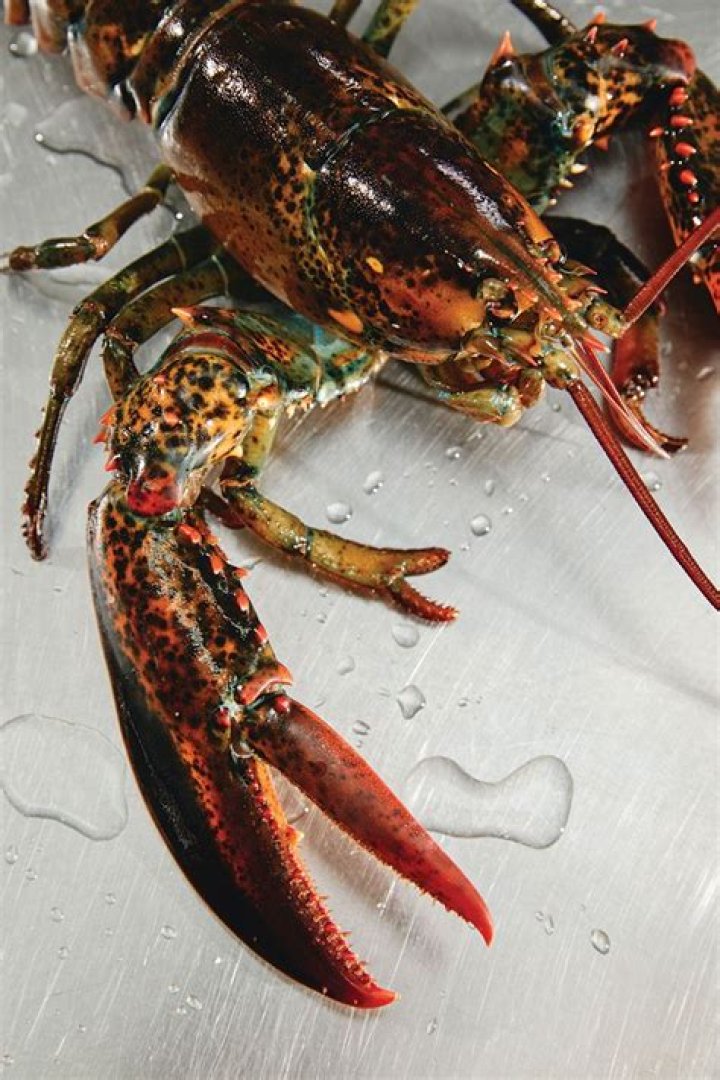
Do lobsters feel pain when boiled alive? This question has sparked intense debate among scientists, animal rights activists, and culinary experts worldwide. As our understanding of animal sentience continues to evolve, the issue of whether lobsters experience pain has become a crucial topic in ethical discussions. This article delves into the scientific evidence, ethical considerations, and regulatory frameworks surrounding the treatment of lobsters.
Recent studies and technological advancements have provided new insights into the nervous systems of lobsters, challenging long-held assumptions about their ability to perceive pain. This article aims to provide a comprehensive overview of the current research, addressing both the biological aspects and the ethical implications of lobster handling practices.
Whether you're a seafood enthusiast, a concerned citizen, or a professional in the food industry, understanding the science behind lobsters and pain is essential for making informed decisions about animal welfare and ethical consumption. Let's explore the complexities of this topic and its broader implications.
Biological Overview of Lobsters
Lobsters belong to the phylum Arthropoda, a group of invertebrates that includes insects, spiders, and crustaceans. Their biological structure differs significantly from vertebrates, raising questions about their capacity for pain perception. Lobsters have a complex nervous system, which plays a crucial role in their ability to respond to stimuli.
Key Features of Lobster Biology
- Lobsters possess a decentralized nervous system with ganglia distributed throughout their body.
- Their nervous system includes sensory organs that detect changes in temperature, pressure, and chemical stimuli.
- Unlike vertebrates, lobsters lack a centralized brain, but their ganglia exhibit advanced coordination of motor functions.
Understanding the biological makeup of lobsters is essential for assessing their capacity to experience pain. While their nervous system is less developed than that of vertebrates, it still demonstrates remarkable complexity.
Lobster Nervous System and Pain Perception
The nervous system of lobsters plays a pivotal role in determining their ability to perceive pain. Recent research has shown that lobsters exhibit behaviors indicative of pain avoidance, suggesting that they may possess nociceptive capabilities.
Behavioral Evidence of Pain
- Lobsters have been observed to exhibit protective behaviors when exposed to harmful stimuli, such as retreating or rubbing injured areas.
- Studies indicate that lobsters can learn to avoid situations associated with negative experiences, suggesting a form of memory related to pain.
While the mechanisms underlying pain perception in lobsters differ from those in vertebrates, the behavioral evidence strongly supports the notion that they are capable of experiencing some form of discomfort.
Scientific Studies on Lobster Pain
Scientific research on lobster pain has made significant strides in recent years, shedding light on their nociceptive capabilities. Researchers have employed various methodologies to explore the physiological and behavioral responses of lobsters to potentially painful stimuli.
Key Findings from Recent Studies
- A 2014 study published in the Journal of Experimental Biology demonstrated that crustaceans, including lobsters, exhibit stress responses and behavioral changes consistent with pain perception.
- Neurophysiological studies have identified nociceptors in lobsters, specialized sensory neurons that respond to harmful stimuli.
These findings contribute to a growing body of evidence suggesting that lobsters are capable of experiencing pain, challenging traditional assumptions about their insensitivity.
Ethical Considerations in Lobster Handling
The ethical implications of lobster pain have sparked widespread debate among animal welfare advocates and culinary professionals. As awareness of animal sentience increases, the treatment of lobsters in the food industry has come under scrutiny.
Key Ethical Issues
- Boiling lobsters alive has been criticized as inhumane, prompting calls for alternative methods of slaughter.
- Advocates argue that the stress and suffering experienced by lobsters during live cooking practices violate basic principles of animal welfare.
Addressing these ethical concerns requires a balanced approach that considers both the welfare of the animals and the practicalities of culinary practices.
Regulatory Framework for Lobster Welfare
Governments and international organizations have begun to address the welfare of lobsters through regulatory frameworks. These regulations aim to ensure humane treatment throughout the supply chain, from capture to consumption.
Examples of Regulatory Measures
- Switzerland has implemented legislation requiring the stunning of lobsters before cooking to minimize suffering.
- The European Union is currently reviewing guidelines for the humane treatment of crustaceans, including lobsters.
While regulatory frameworks vary across jurisdictions, there is a growing consensus on the need for standardized practices to protect the welfare of lobsters.
Culinary Practices and Humane Treatment
Chefs and culinary professionals play a critical role in promoting humane treatment practices for lobsters. Innovations in cooking techniques and slaughter methods aim to reduce suffering while maintaining the quality of the final product.
Recommended Practices
- Using humane slaughter devices, such as electrical stunning units, can significantly reduce the stress experienced by lobsters.
- Proper storage and handling practices, including maintaining appropriate water temperatures, help minimize discomfort during transportation and preparation.
By adopting these practices, the culinary industry can demonstrate its commitment to ethical standards and animal welfare.
Public Opinion and Consumer Awareness
Public opinion on lobster pain has shifted in recent years, driven by increased awareness of animal sentience and ethical consumption. Consumers are increasingly demanding transparency and accountability from food producers and restaurants.
Trends in Consumer Behavior
- A growing number of consumers are opting for plant-based alternatives or sustainably sourced seafood options.
- Public campaigns and documentaries have raised awareness about the treatment of lobsters, influencing consumer choices.
As awareness continues to grow, businesses must adapt to meet changing consumer expectations while maintaining profitability.
Technological Solutions for Humane Slaughter
Technological advancements offer promising solutions for improving the humane treatment of lobsters. Innovations in slaughter methods and handling practices aim to reduce suffering while maintaining efficiency and quality.
Examples of Technological Innovations
- Electrical stunning devices provide a rapid and humane method for rendering lobsters unconscious before cooking.
- Automated systems for handling and processing lobsters minimize human error and ensure consistent application of humane practices.
Embracing these technologies can help bridge the gap between ethical considerations and practical constraints in the food industry.
Environmental Impact and Sustainable Practices
The environmental impact of lobster fishing and farming is another critical consideration in the broader discussion of lobster welfare. Sustainable practices aim to balance ecological concerns with economic viability and animal welfare.
Key Environmental Issues
- Overfishing and habitat destruction pose significant threats to lobster populations and marine ecosystems.
- Sustainable aquaculture practices can help mitigate these impacts while promoting ethical treatment of lobsters.
By integrating environmental considerations into lobster management practices, we can ensure a more holistic approach to animal welfare and conservation.
Future Directions in Research and Policy
As our understanding of lobster pain and sentience continues to evolve, future research and policy development will play a crucial role in shaping the treatment of these animals. Collaborative efforts between scientists, policymakers, and industry stakeholders are essential for advancing ethical standards and promoting sustainable practices.
Potential Areas for Future Research
- Investigating the neural mechanisms underlying pain perception in lobsters to refine our understanding of their nociceptive capabilities.
- Developing new technologies and methods for humane slaughter that are both effective and economically viable.
By prioritizing research and policy development, we can ensure that the treatment of lobsters aligns with evolving ethical standards and scientific knowledge.
Kesimpulan
Lobsters and pain represent a complex and multifaceted issue that touches on scientific, ethical, and practical considerations. The evidence supporting lobster pain perception continues to grow, highlighting the need for more humane treatment practices in the food industry. By adopting innovative technologies, promoting consumer awareness, and implementing regulatory frameworks, we can work towards a more ethical and sustainable approach to lobster management.
We invite you to join the conversation by leaving your thoughts and questions in the comments section below. Share this article with others who are passionate about animal welfare and ethical consumption. Together, we can make a difference in the lives of these remarkable creatures and contribute to a more compassionate world.
For further reading, explore our articles on related topics, including animal sentience, sustainable seafood practices, and ethical culinary innovations. Your engagement and support are vital in advancing this important cause.


