Mastering AM7 Chords: A Comprehensive Guide for Guitarists
By John Peck
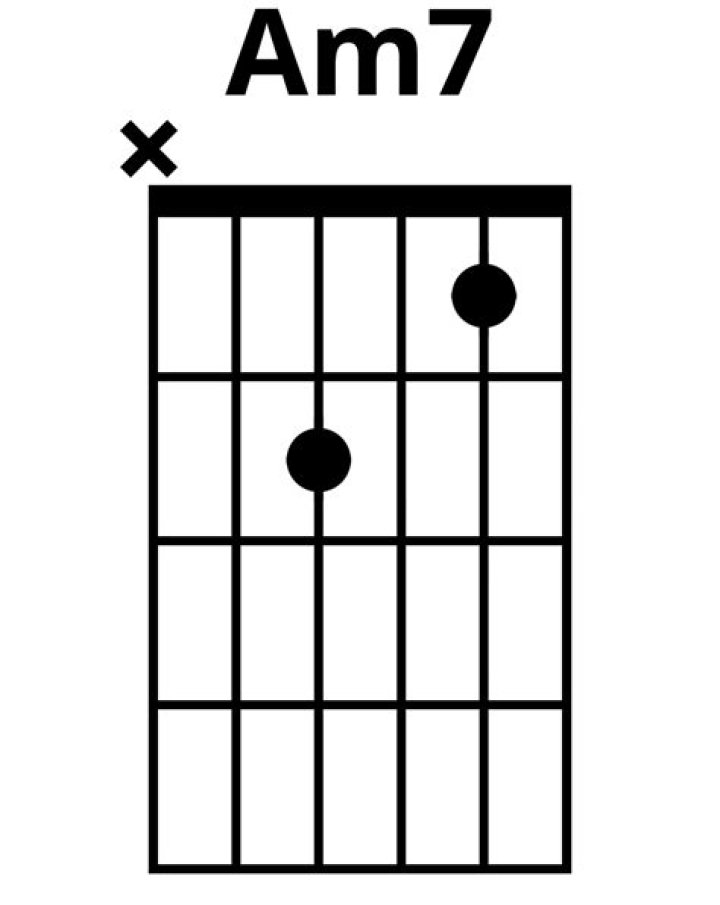
Am7 chords are an essential component in the world of music, especially for guitarists. Whether you're a beginner or an advanced musician, understanding and mastering Am7 chords can significantly enhance your playing skills. This versatile chord is widely used in various genres, from pop to jazz, making it a must-learn for any aspiring guitarist.
Music is a universal language, and chords are its building blocks. Am7 chords, in particular, are known for their rich and melancholic sound, which adds depth and emotion to any piece of music. By learning how to play Am7 chords, you open the door to a world of musical possibilities.
In this article, we will delve into everything you need to know about Am7 chords. From understanding their structure to exploring different variations and techniques, we aim to provide a comprehensive guide that caters to musicians of all levels. Let's get started!
Understanding the Basics of Am7 Chords
Before diving into the intricacies of Am7 chords, it's crucial to grasp the fundamentals. Am7, short for A minor 7, is a four-note chord composed of A (root), C (minor third), E (fifth), and G (minor seventh). This combination gives the chord its distinctive sound.
Am7 chords are often used in progressions to create a smooth and soothing transition between chords. They are commonly found in jazz standards, blues, and even contemporary pop songs. Understanding the theory behind Am7 chords will help you appreciate their role in music composition.
Structure of Am7 Chords
- Root Note: A
- Minor Third: C
- Fifth: E
- Minor Seventh: G
Each note in the Am7 chord plays a specific role in shaping its sound. The root note (A) provides the foundation, while the minor third (C) adds a touch of melancholy. The fifth (E) stabilizes the chord, and the minor seventh (G) gives it its characteristic jazziness.
How to Play Am7 Chords on Guitar
Playing Am7 chords on the guitar is relatively straightforward once you understand the finger placement. Here's a step-by-step guide to help you get started:
- Place your index finger on the first fret of the B string.
- Position your middle finger on the second fret of the D string.
- Use your ring finger to press down on the second fret of the G string.
- Leave the A string open.
Strum from the A string down, ensuring all notes ring out clearly. With consistent practice, you'll master the Am7 chord in no time.
Common Mistakes When Playing Am7 Chords
Beginners often encounter challenges when learning Am7 chords. Some common mistakes include:
- Muting strings unintentionally.
- Not pressing down firmly enough, leading to buzzing sounds.
- Strumming the wrong strings, which can alter the chord's sound.
To avoid these pitfalls, practice slowly and focus on proper finger placement. Over time, your muscle memory will improve, making it easier to play Am7 chords accurately.
Exploring Variations of Am7 Chords
Am7 chords come in various forms, each offering a unique sound and feel. Below are some popular variations:
- Am7/B: Adds a B note to the chord, creating a more complex sound.
- Am7add11: Incorporates the eleventh note, giving the chord an added dimension.
- Am7sus4: Replaces the third with a fourth, producing a suspended sound.
Experimenting with these variations allows you to expand your musical palette and add variety to your compositions.
Using Am7 Chords in Different Keys
Am7 chords can be adapted to fit various keys, making them versatile in different musical contexts. For instance, in the key of C major, Am7 serves as the vi chord, providing a natural resolution to the progression. Understanding how Am7 chords function in different keys enhances your ability to create harmonically rich music.
Am7 Chords in Popular Songs
Many famous songs incorporate Am7 chords, showcasing their versatility and appeal. Some notable examples include:
- "Yesterday" by The Beatles: Features Am7 chords in its iconic progression.
- "Someone Like You" by Adele: Uses Am7 chords to evoke emotion and depth.
- "Fly Me to the Moon" by Frank Sinatra: Relies heavily on Am7 chords for its jazzy vibe.
Listening to these songs can inspire you to incorporate Am7 chords into your own music.
Learning from Professional Musicians
Studying how professional musicians use Am7 chords can provide valuable insights. Artists like Wes Montgomery and Pat Metheny often utilize Am7 chords in their jazz compositions, demonstrating their versatility and expressive potential. By analyzing their techniques, you can refine your own approach to playing Am7 chords.
Tips for Mastering Am7 Chords
Mastering Am7 chords requires dedication and practice. Here are some tips to help you along the way:
- Practice consistently, focusing on finger strength and accuracy.
- Experiment with different strumming patterns to enhance your sound.
- Listen to recordings featuring Am7 chords to develop your ear.
By incorporating these tips into your practice routine, you'll progress more quickly and confidently.
Building Muscle Memory
Muscle memory is key to mastering any chord. To build muscle memory for Am7 chords:
- Practice transitioning between Am7 and other chords smoothly.
- Use metronomes to maintain consistent timing.
- Play along with backing tracks to simulate real-world scenarios.
With persistence, you'll find that playing Am7 chords becomes second nature.
Am7 Chords in Jazz Music
Jazz music frequently employs Am7 chords due to their rich harmonic qualities. In jazz, Am7 chords often appear in ii-V-I progressions, where they serve as the ii chord in minor keys. This usage highlights their importance in creating sophisticated harmonies.
Understanding the role of Am7 chords in jazz can elevate your improvisation skills and enhance your overall musicianship.
Improvising Over Am7 Chords
Improvising over Am7 chords involves selecting appropriate scales and arpeggios. Some recommended options include:
- A minor pentatonic scale: Provides a bluesy feel.
- A Dorian mode: Adds a jazzy flavor.
- Am7 arpeggio: Focuses directly on the chord tones.
Experimenting with these scales and arpeggios can lead to creative and engaging solos.
Conclusion: Embrace the Power of Am7 Chords
In conclusion, Am7 chords are a vital element in the world of music, offering endless opportunities for creativity and expression. By understanding their structure, learning proper playing techniques, and exploring their applications in various genres, you can unlock their full potential.
We encourage you to take action by practicing regularly and sharing your newfound knowledge with fellow musicians. Feel free to leave comments or questions below, and don't hesitate to explore other articles on our site for more insights into the fascinating world of music.