Mastering the Art of Beef Medium Rare: A Comprehensive Guide
By Andrew Thornton
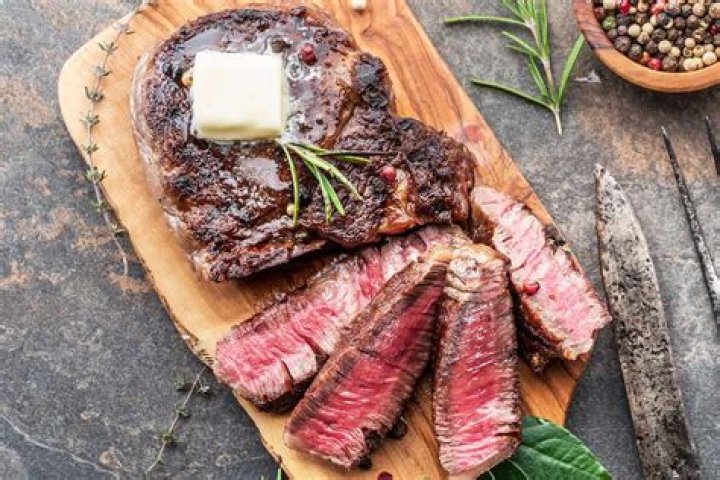
Beef medium rare is a culinary delight that many steak enthusiasts seek to perfect. Achieving the perfect medium-rare steak requires precision, skill, and a deep understanding of cooking techniques. Whether you're a home cook or a professional chef, understanding how to cook beef medium rare can elevate your dining experience. In this guide, we'll explore everything you need to know about cooking and enjoying medium-rare beef.
There's something special about a perfectly cooked medium-rare steak. The vibrant pink color, tender texture, and rich flavor make it a favorite among meat lovers. However, achieving this ideal state requires more than just throwing a steak on the grill. It involves a careful balance of temperature, timing, and technique.
This article will take you through every step necessary to master beef medium rare, from selecting the right cut of meat to perfecting your cooking methods. We'll also discuss common mistakes and how to avoid them, ensuring that your steak turns out juicy and flavorful every time.
Understanding Beef Medium Rare
When we talk about beef medium rare, we're referring to a level of doneness where the internal temperature of the steak reaches between 130°F and 135°F (54°C to 57°C). At this temperature, the steak retains its juiciness while developing a rich, beefy flavor. The exterior should have a nice sear, while the inside remains tender and pink.
What Makes Medium Rare So Popular?
- Enhanced flavor profile due to the Maillard reaction.
- Retains moisture, resulting in a juicier steak.
- Offers a balance between tenderness and structure.
Medium rare is often considered the gold standard for steak enthusiasts because it strikes the perfect balance between flavor, texture, and juiciness. It allows the natural flavors of the beef to shine without overpowering it with excessive cooking.
Selecting the Right Cut for Medium Rare
Not all cuts of beef are created equal when it comes to cooking medium rare. Some cuts are naturally more tender and flavorful, making them ideal for achieving the perfect medium-rare steak.
Top Cuts for Medium Rare
- Ribeye: Known for its marbling and rich flavor, ribeye is a top choice for medium-rare enthusiasts.
- Filet Mignon: Extremely tender with a mild flavor, filet mignon is perfect for those who prefer a softer texture.
- New York Strip: Offers a balance of tenderness and flavor, making it a versatile option.
- Sirloin: A more affordable option that still delivers great flavor and texture.
Choosing the right cut depends on your personal preferences and budget. For the best results, look for cuts with good marbling, as this will ensure a juicy and flavorful steak.
Preparing Your Steak for Cooking
Proper preparation is key to achieving a great medium-rare steak. Here are some essential steps to follow:
Steps to Prepare Your Steak
- Bring to Room Temperature: Allow your steak to sit at room temperature for 30-60 minutes before cooking. This ensures even cooking.
- Season Generously: Use kosher salt and freshly ground black pepper to enhance the natural flavors of the beef.
- Pat Dry: Use paper towels to pat your steak dry. This helps achieve a better sear.
These simple steps can make a significant difference in the final outcome of your steak. Proper preparation sets the foundation for a delicious medium-rare experience.
Cooking Techniques for Beef Medium Rare
There are several cooking methods you can use to achieve beef medium rare. Each method has its own advantages, so it's important to choose the one that suits your equipment and skill level.
Popular Cooking Methods
- Pan-Seared: Ideal for stovetop cooking, pan-searing creates a delicious crust while maintaining a tender interior.
- Grilled: Grilling adds a smoky flavor and is perfect for outdoor cooking.
- Sous Vide: This method ensures precise temperature control, resulting in a perfectly cooked steak every time.
Regardless of the method you choose, monitoring the internal temperature is crucial. Use a meat thermometer to ensure your steak reaches the desired doneness.
Temperature Control and Timing
Temperature control is one of the most important factors when cooking beef medium rare. Here's a breakdown of the ideal temperatures:
Ideal Temperature Range
- Medium Rare: 130°F to 135°F (54°C to 57°C)
Timing also plays a critical role. Overcooking can lead to a loss of moisture and flavor, while undercooking may not develop the desired texture. Use the following guidelines for cooking times:
- Pan-Seared: 3-4 minutes per side
- Grilled: 4-5 minutes per side
- Sous Vide: 1-2 hours at 131°F (55°C)
Remember, these are general guidelines. Adjustments may be necessary based on the thickness of your steak and the cooking method used.
Common Mistakes and How to Avoid Them
Even experienced cooks can make mistakes when cooking beef medium rare. Here are some common pitfalls and how to avoid them:
Avoid These Mistakes
- Skipping the Resting Period: Let your steak rest for 5-10 minutes after cooking to allow the juices to redistribute.
- Overcooking: Use a meat thermometer to ensure your steak reaches the desired temperature without going over.
- Using Low-Quality Meat: Invest in high-quality cuts for the best results.
By avoiding these mistakes, you can ensure that your medium-rare steak is as delicious as possible.
Pairing and Serving Suggestions
Once you've cooked your perfect medium-rare steak, it's time to think about how to serve it. Here are some pairing and serving suggestions:
Ideal Side Dishes
- Roasted vegetables
- Garlic mashed potatoes
- Grilled asparagus
Wine Pairings
- Red wines such as Cabernet Sauvignon or Malbec
- Full-bodied whites like Chardonnay
These pairings complement the rich flavors of medium-rare beef, enhancing the overall dining experience.
Health Benefits of Beef Medium Rare
Beef medium rare not only tastes great but also offers several health benefits. Here are some reasons to include medium-rare beef in your diet:
Nutritional Highlights
- High in protein
- Rich in essential vitamins and minerals like iron and zinc
- Contains healthy fats when cooked properly
By choosing lean cuts and cooking them to medium rare, you can enjoy a delicious meal that's also nutritious.
Tips for Achieving Perfect Medium Rare
Here are some additional tips to help you achieve the perfect medium-rare steak:
Expert Tips
- Use a cast iron skillet for superior heat retention.
- Don't press down on the steak while cooking.
- Experiment with different seasonings and marinades to add variety.
These tips, combined with proper technique and equipment, can help you become a master of beef medium rare.
Conclusion
Cooking beef medium rare is an art that combines science and skill. By understanding the right cuts, preparation techniques, and cooking methods, you can achieve a steak that's tender, juicy, and full of flavor. Remember to monitor temperature closely and avoid common mistakes to ensure the best results.
We invite you to try these techniques and share your experiences in the comments below. For more culinary tips and recipes, explore our other articles and become a better cook today!
References: