Maximize Your Comfort: How Rotation Ceiling Fans Work in Winter
By Sarah Rowe
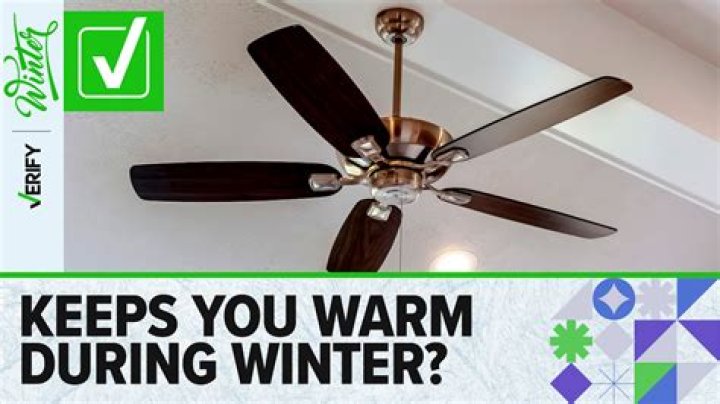
As the colder months approach, many homeowners are left wondering how to make the most of their ceiling fans during winter. While ceiling fans are traditionally associated with cooling during the summer, they can also play a significant role in maintaining comfort during the winter months. Understanding the concept of rotation ceiling fan winter settings is essential for energy efficiency and optimal indoor climate management.
Winter comfort doesn't have to come at the expense of high heating bills. Ceiling fans, when used correctly, can help circulate warm air more effectively, reducing the need for constant heating. By reversing the fan's direction, homeowners can take advantage of the heat that naturally rises and keep it evenly distributed throughout the room.
In this comprehensive guide, we will explore how to use ceiling fans during the winter, why reversing the fan's rotation matters, and how it can save you money on heating costs. Let’s dive into the details of maximizing your ceiling fan's potential for a cozier winter experience.
How Ceiling Fans Work in Winter
Understanding how ceiling fans function during the winter requires a basic grasp of physics and airflow dynamics. In the winter, warm air tends to rise due to its lower density compared to cooler air. This phenomenon, known as convection, can lead to heat stratification, where warm air collects near the ceiling while cooler air remains at floor level.
Rotation ceiling fan winter settings address this issue by reversing the fan's direction. Instead of pushing air downward (as in summer), the fan pulls cool air upward, forcing warm air near the ceiling back down to the living space. This creates a more consistent temperature throughout the room, improving comfort and reducing heating costs.
Physics Behind Ceiling Fan Reversal
The physics behind fan reversal is straightforward. When the fan spins clockwise at a low speed, it creates an upward airflow that gently pushes warm air back down the walls. This process, often referred to as "recirculation," ensures that the warm air doesn't get trapped at the ceiling, making your living space feel warmer without increasing your thermostat settings.
Reversing Fan Direction for Winter Use
Reversing the direction of your ceiling fan is a simple yet effective way to enhance winter comfort. Most modern ceiling fans come equipped with a reverse switch that allows you to change the fan's rotation from counterclockwise (summer mode) to clockwise (winter mode).
Steps to Reverse Your Ceiling Fan
- Turn off the fan and ensure it has completely stopped spinning.
- Locate the reverse switch on the fan's motor housing. This switch is usually labeled with "Summer" and "Winter" settings.
- Switch the fan to the clockwise (winter) setting.
- Set the fan to a low speed to avoid creating a draft.
By following these steps, you can optimize your ceiling fan for winter use and enjoy a more balanced indoor temperature.
Benefits of Reversed Rotation
The benefits of using rotation ceiling fan winter settings extend beyond just comfort. Here are some key advantages:
- Energy Savings: By circulating warm air more effectively, you can reduce your reliance on central heating systems, leading to lower energy bills.
- Improved Air Circulation: Reversed rotation helps eliminate cold spots in your home, creating a more uniform temperature distribution.
- Extended Heater Lifespan: With less demand on your heating system, you may extend its lifespan and reduce maintenance needs.
These benefits make ceiling fans an invaluable tool for winter comfort and energy efficiency.
Energy Efficiency with Winter Fan Settings
Energy efficiency is a top priority for many homeowners, and using ceiling fans during the winter can contribute significantly to this goal. According to the U.S. Department of Energy, proper use of ceiling fans can reduce heating costs by up to 10%.
By maintaining a consistent indoor temperature, you can avoid the need for frequent thermostat adjustments. This not only saves energy but also reduces wear and tear on your heating system. Additionally, ceiling fans consume far less electricity than central heating systems, making them an eco-friendly choice for winter comfort.
How Much Can You Save?
Studies show that running a ceiling fan at low speed during the winter can save an average household $100 to $200 annually in heating costs. While the initial savings may seem modest, the long-term benefits add up, especially for larger homes or those in colder climates.
Common Mistakes When Using Fans in Winter
While the concept of using ceiling fans during the winter is straightforward, some common mistakes can undermine their effectiveness. Here are a few pitfalls to avoid:
- Forgetting to Reverse the Fan: Many homeowners forget to switch their fans to the clockwise direction, resulting in ineffective airflow.
- Using High Speeds: Running the fan at high speeds can create drafts, making the room feel cooler rather than warmer.
- Ignoring Ceiling Height: Fans are most effective in rooms with standard ceiling heights. In rooms with very high ceilings, additional measures may be needed to ensure proper air circulation.
Avoiding these mistakes ensures that your ceiling fan works as intended, providing maximum comfort and efficiency during the winter months.
Choosing the Right Ceiling Fan for Winter
Not all ceiling fans are created equal, especially when it comes to winter use. When selecting a fan for your home, consider the following factors:
- Reverse Functionality: Ensure the fan has a reverse switch to adjust its rotation for winter use.
- Energy Efficiency: Look for fans with Energy Star certification, which guarantees optimal energy performance.
- Size and Room Compatibility: Choose a fan size that matches the dimensions of your room for the best results.
By selecting the right fan, you can ensure that it meets your specific needs and provides effective winter performance.
Key Features to Look For
Modern ceiling fans come with a variety of features designed to enhance winter comfort. Look for fans with adjustable speeds, remote control capabilities, and smart home integration for added convenience.
Installation Tips for Optimal Winter Performance
Proper installation is crucial for maximizing the performance of your ceiling fan during the winter. Here are some tips to ensure your fan is installed correctly:
- Mounting Height: Ensure the fan is mounted at least 7 feet above the floor and 10 inches below the ceiling for optimal airflow.
- Blade Angle: Fans with a blade pitch of 12 to 15 degrees are ideal for effective air movement.
- Balance Check: Regularly check the fan's balance to prevent vibrations that can affect its performance.
Following these installation tips ensures that your fan operates efficiently and provides the desired results during the winter.
Maintenance for Winter Use
Regular maintenance is essential for keeping your ceiling fan in top condition, especially during the winter. Here are some maintenance tips to follow:
- Clean the Blades: Dust and dirt accumulation can affect the fan's performance. Clean the blades regularly with a soft cloth.
- Inspect Wiring: Check the wiring and electrical connections periodically to ensure they are secure and functioning properly.
- Test Reverse Function: Before the winter season begins, test the fan's reverse function to ensure it works as expected.
By maintaining your fan properly, you can ensure it operates smoothly and efficiently throughout the winter.
Frequently Asked Questions
Q: Can I use the same ceiling fan for both summer and winter?
A: Yes, most ceiling fans are designed for year-round use. Simply reverse the fan's direction to suit the season.
Q: How often should I clean my ceiling fan?
A: It's recommended to clean your ceiling fan every 3 to 6 months, depending on usage and dust levels in your home.
Q: Can I use a ceiling fan in a room with high ceilings?
A: Yes, but you may need to install an extended downrod to bring the fan closer to the living space for optimal airflow.
Conclusion: Make the Most of Your Ceiling Fan
Using rotation ceiling fan winter settings is a smart and cost-effective way to enhance your home's comfort during the colder months. By reversing the fan's direction, you can circulate warm air more effectively, reduce heating costs, and create a more balanced indoor climate.
Remember to select the right fan for your needs, install it correctly, and maintain it regularly to ensure optimal performance. With these tips in mind, you can enjoy a cozier winter while keeping your energy bills in check.
Take action today by reversing your ceiling fan's direction and experiencing the difference it can make in your home. Don't forget to share your thoughts and experiences in the comments below, and explore other articles on our site for more home improvement tips!