
Motion Picture Content Rating System: A Comprehensive Guide
By Sarah Rowe
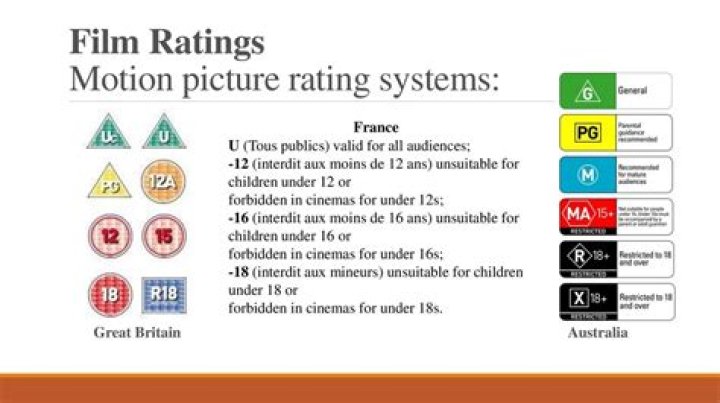
The motion picture content rating system plays a crucial role in guiding viewers about the suitability of films for different audiences. This system helps parents make informed decisions about what their children watch, ensuring that they are exposed to age-appropriate content. In today's world, where media consumption is at an all-time high, understanding the rating system is more important than ever.
As the film industry continues to grow and diversify, the rating system has evolved to address the changing landscape of content. It reflects societal values and norms while providing a standardized framework for evaluating films. This article will explore the intricacies of the motion picture content rating system, its history, and its significance in modern media.
Whether you're a parent, filmmaker, or simply someone interested in the film industry, this guide will provide valuable insights into how the rating system works and why it matters. By the end of this article, you'll have a comprehensive understanding of the motion picture content rating system and its impact on the entertainment industry.
History of the Motion Picture Content Rating System
The motion picture content rating system has a rich history that dates back to the early 20th century. In 1930, the Motion Picture Production Code, also known as the Hays Code, was introduced to regulate the moral content of films. This code set strict guidelines on what could and could not be shown on screen, influencing the industry for decades.
In 1968, the current rating system was established by the Motion Picture Association (MPA). This system replaced the Hays Code and introduced a more flexible approach to rating films. The primary goal was to provide parents with better tools to determine the suitability of films for their children. Over the years, the rating system has undergone several updates to reflect changing societal norms.
Today, the motion picture content rating system is a vital component of the film industry, ensuring that films are appropriately labeled for their intended audiences. This history underscores the importance of adapting the system to meet the needs of contemporary audiences.
Key Milestones in the Rating System
- 1930: Introduction of the Hays Code
- 1968: Establishment of the current rating system by the MPA
- 1990: Introduction of the NC-17 rating
- 2000s: Updates to address digital media and streaming platforms
Purpose of the Rating System
The primary purpose of the motion picture content rating system is to inform parents and viewers about the content of films. By assigning ratings based on factors such as violence, language, sexual content, and drug use, the system helps people make informed decisions about what they watch. This is particularly important for families with children, as it allows parents to ensure that their children are not exposed to inappropriate content.
Beyond parental guidance, the rating system also serves as a tool for filmmakers and distributors. It helps them understand the potential audience for their films and tailor their marketing strategies accordingly. Additionally, the system provides a standardized framework for evaluating content, ensuring consistency across the industry.
Ultimately, the motion picture content rating system aims to balance creative freedom with the need for responsible content distribution. By providing clear guidelines and ratings, it helps maintain public trust in the film industry while respecting artistic expression.
Who Benefits from the Rating System?
- Parents seeking guidance on age-appropriate content
- Filmmakers looking to reach specific audiences
- Distributors aiming to comply with industry standards
- Viewers seeking transparency in film content
Understanding the Ratings
The motion picture content rating system uses a set of ratings to classify films based on their content. These ratings range from G (General Audiences) to NC-17 (No One 17 and Under Admitted). Each rating provides specific information about the content of the film, helping viewers make informed decisions.
Here is a breakdown of the most common ratings:
- G: Suitable for all ages, with no offensive content
- PG: Parental Guidance Suggested, may contain some mild content
- PG-13: Parents Strongly Cautioned, may contain intense content
- R: Restricted, under 17 requires accompanying parent or adult guardian
- NC-17: No One 17 and Under Admitted, contains explicit content
Understanding these ratings is essential for both parents and filmmakers. It ensures that films are appropriately labeled and that viewers can make informed choices about what they watch.
What Determines a Film's Rating?
Several factors contribute to a film's rating, including:
- Level of violence
- Use of language
- Sexual content
- Drug use
- Thematic elements
The Rating Process
The process of assigning a rating to a film involves a rigorous evaluation by the Classification and Rating Administration (CARA), which operates under the Motion Picture Association (MPA). Filmmakers submit their films to CARA, where a panel of raters reviews the content and assigns a rating based on established guidelines.
The raters are ordinary individuals who represent a cross-section of American society. They evaluate films based on their content and provide detailed feedback to filmmakers. This feedback can include suggestions for edits to achieve a desired rating, ensuring that films meet the standards of the rating system.
Once a rating is assigned, it is displayed on the film's promotional materials, including posters, trailers, and digital platforms. This ensures that viewers are aware of the content they are about to watch.
Steps in the Rating Process
- Filmmakers submit their films to CARA
- A panel of raters reviews the content
- A rating is assigned based on established guidelines
- Feedback is provided to filmmakers for potential edits
- The rating is displayed on promotional materials
Impact on the Film Industry
The motion picture content rating system has a significant impact on the film industry. It influences how films are produced, marketed, and distributed. Filmmakers often consider the rating system during the creative process, ensuring that their films align with the desired audience demographics.
For example, a PG-13 rating is often seen as the sweet spot for maximizing box office revenue, as it appeals to a wide range of audiences, including families. On the other hand, an NC-17 rating can limit a film's distribution and marketing opportunities, making it less commercially viable.
Additionally, the rating system plays a role in shaping public perception of films. A film with a high rating, such as R or NC-17, may attract attention for its controversial content, while a G or PG rating may appeal to families seeking wholesome entertainment.
How Ratings Influence Marketing Strategies
Ratings significantly impact how films are marketed:
- PG and PG-13 films are often marketed to families and younger audiences
- R-rated films target adult audiences and emphasize mature themes
- NC-17 films focus on niche markets and art-house audiences
Challenges in the Rating System
Despite its benefits, the motion picture content rating system faces several challenges. One of the primary concerns is the subjectivity of the rating process. What one rater considers appropriate may differ from another, leading to inconsistencies in ratings. This can create confusion for both filmmakers and viewers.
Another challenge is the system's ability to keep up with evolving societal norms. As cultural values change, the criteria for rating films may need to be updated to remain relevant. This requires ongoing evaluation and adaptation of the rating guidelines.
Furthermore, the rise of digital media and streaming platforms has introduced new challenges for the rating system. With the increasing availability of films on these platforms, ensuring consistent ratings across all forms of media is more complex than ever.
Addressing Challenges in the Rating System
To address these challenges, the Motion Picture Association (MPA) has taken several steps:
- Regularly updating rating guidelines to reflect societal changes
- Engaging with filmmakers and industry stakeholders for feedback
- Expanding the rating system to include digital media and streaming platforms
Global Perspectives on Film Ratings
While the motion picture content rating system is primarily used in the United States, many countries have their own rating systems. These systems vary in structure and criteria, reflecting the unique cultural and societal values of each nation. For example, the British Board of Film Classification (BBFC) uses a different set of ratings and guidelines than the MPA.
International filmmakers often face the challenge of navigating multiple rating systems when distributing their films globally. This requires adapting content to meet the standards of various countries, which can be time-consuming and costly.
Despite these differences, there is a growing trend toward harmonization of film ratings across borders. Efforts are being made to create more standardized systems that can be applied globally, ensuring consistency in content evaluation.
Comparison of Global Rating Systems
- United States: MPA Rating System
- United Kingdom: BBFC Rating System
- Canada: Canadian Rating System
- Australia: Australian Classification Board
Technology and the Rating System
The rise of technology has significantly impacted the motion picture content rating system. With the proliferation of streaming platforms, the traditional methods of rating films are being challenged. These platforms often bypass traditional distribution channels, making it more difficult to apply standard ratings.
However, technology also offers new opportunities for improving the rating system. Advanced algorithms and machine learning can assist in evaluating content more efficiently and accurately. This can help streamline the rating process and ensure consistency across various platforms.
Additionally, technology enables filmmakers to provide more detailed content descriptions, allowing viewers to make even more informed decisions about what they watch. This transparency enhances the effectiveness of the rating system, ensuring that it remains relevant in the digital age.
How Technology Enhances the Rating System
Technology contributes to the rating system in the following ways:
- Improved content evaluation through advanced algorithms
- Enhanced transparency with detailed content descriptions
- Streamlined processes for rating digital media
Future of the Motion Picture Content Rating System
The future of the motion picture content rating system is shaped by ongoing developments in technology and society. As the film industry continues to evolve, the rating system must adapt to remain effective. This includes addressing the challenges posed by digital media and ensuring consistency across platforms.
Looking ahead, there is potential for greater collaboration between global rating systems, leading to more standardized approaches. This could simplify the process for international filmmakers and distributors while maintaining the integrity of the rating system.
Ultimately, the success of the motion picture content rating system depends on its ability to balance creative freedom with responsible content distribution. By continuing to evolve and adapt, the system can ensure that it remains a valuable tool for filmmakers, parents, and viewers alike.
Trends Shaping the Future of the Rating System
- Increased focus on digital media and streaming platforms
- Greater collaboration between global rating systems
- Advancements in technology for content evaluation
Conclusion
The motion picture content rating system is a vital component of the film industry, providing valuable guidance to parents and viewers about the suitability of films for different audiences. By understanding the history, purpose, and impact of the rating system, we can appreciate its role in shaping modern media consumption.
As the industry continues to evolve, the rating system must adapt to meet the challenges of the digital age. By embracing technology and fostering global collaboration, the system can remain relevant and effective in guiding viewers toward age-appropriate content.
We invite you to share your thoughts and experiences

![Decoding Movie Rules: Understanding & Enjoying Films | [Movierulz] & Beyond](https://silver.isevcloud.co.uk/uploads/3-movierulz-brings-the-latest-hollywood-movierulz-news-3movierulz-also-brings-movie-news-tv-news-trailers-reviews-movierulz-articles-in-south-ind-movies-are-more-than-just-a-form-of-entertainment-they-are-a-reflection-of-culture-storytelling-and-human-emotions-understanding-the-rules-that-govern-films-can-enhance-your-viewing-experience-and-provide-deeper-insights-into-the-narratives-presented-in-this-article-we-will-explore-the-five-essential-movie-rules-that-every-cinephile-should-know-before-movierulz-2025-latest-hd-telugu-kannada-tamil-south-indian-movies-web-series-shows-kdramas-watch-at-high-quality-on-movierulz-tv-this-page-is-intended-to-document-significant-changes-to-the-movie-rules-over-the-course-of-the-site-u2019s-history-this-is-far-from-a-complete-list-with-emphasis-being-placed-on-more-recent-rule-changes-standard-goals-based-on-di-u2026-understanding-movierules-is-essential-for-filmmakers-producers-and-even-audiences-these-regulations-impact-everything-from-the-production-phase-to-distribution-and-viewership-by-adhering-to-these-rules-filmmakers-can-navigate-the-complex-landscape-of-content-creation-ensuring-their-work-is-both-legally-compliant-and-culturally-sensitive-movie-show-times-schedules-and-tickets-in-los-angeles-long-beach-anaheim-santa-ana-irvine-burbank-lakewood-santa-monica-fountain-valley-orange-pasadena-ca-when-it-comes-to-enjoying-films-understanding-the-core-principles-that-govern-cinematic-storytelling-can-elevate-your-viewing-experience-significantly-the-5-movie-rules-com-framework-offers-a-set-of-guidelines-designed-to-help-both-filmmakers-and-audiences-appreciate-the-intricacies-of-modern-cinema-in-this-article-we-will-explore-these-five-essential-rules-and-this-combination-of-comfort-variety-and-free-access-makes-movierulz-profoundly-attractive-especially-for-viewers-on-a-tight-budget-the-dark-side-of-piracy-we-would-like-to-show-you-a-description-here-but-the-site-won-u2019t-allow-us-movierulz-com-movierulz-latest-bollywood-and-hollywood-movies-watch-online-full-free-movierulz-is-wide-range-collection-of-telugu-movies-tamil-malayalam-bengali-kannada-movierulz-movierulz-provide-a-wide-range-of-telugu-movies-tamil-malayalam-and-hindi-movies-watch-full-telugu-movies-online-anytime-anywhere-on-zee5-also-explore-41-telugu-movies-online-in-full-hd-from-our-latest-telugu-movies-collection-movies-are-more-than-just-a-form-of-entertainment-they-are-a-reflection-of-culture-storytelling-and-human-emotions-understanding-the-rules-that-govern-films-can-enhance-your-viewing-experience-and-provide-deeper-insights-into-the-narratives-presented-in-this-article-we-will-explore-the-five-essential-movie-rules-that-every-cinephile-should-know-before-movierulz-latest-featured-telugu-movies-watch-online-download-full-free-collection-of-bollywood-movies-tamil-malayalam-dubbed-kannada-5movierulz-movierulz-is-a-piracy-website-that-leaks-the-tamil-telugu-kannada-hindi-movies-and-allows-users-to-download-movies-in-free-check-out-the-latest-news-and-updates-on-meta-movierulz-here-enjoy-watching-new-telugu-movies-release-of-2025-experience-the-latest-and-new-south-indian-movies-on-your-mobile-device_720.jpg)

