
Mouth Breather Jawline: Understanding the Impact and Solutions
By Sarah Rowe
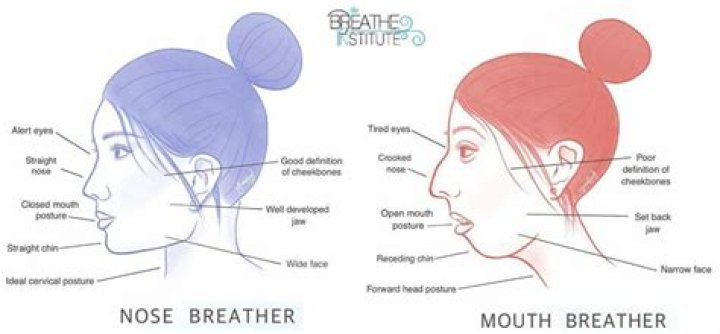
Have you ever wondered how mouth breathing affects your jawline and facial structure? Mouth breathing, a condition where individuals breathe primarily through their mouths instead of their noses, can significantly alter facial development, especially in children and adolescents. This habit, if left untreated, may lead to a range of issues, including an underdeveloped jawline, facial asymmetry, and even sleep disorders. Understanding the connection between mouth breathing and jawline development is crucial for maintaining both oral health and overall well-being.
Mouth breathing is not just a harmless habit; it has far-reaching consequences that extend beyond respiratory health. When someone consistently breathes through their mouth, the muscles of the face and jaw are affected, leading to changes in facial structure. Over time, this can result in a weak jawline, a longer face shape, and other aesthetic concerns. Recognizing the signs of mouth breathing early on is essential for addressing its effects before they become permanent.
In this comprehensive guide, we will delve into the world of mouth breathing and its impact on jawline development. From understanding the causes and symptoms to exploring effective treatment options, this article aims to equip you with the knowledge you need to take control of your oral health. Whether you're concerned about your own jawline or that of a loved one, this guide will provide valuable insights and actionable advice to help you make informed decisions.
What is Mouth Breathing?
Mouth breathing refers to the habit of inhaling and exhaling air primarily through the mouth instead of the nose. While occasional mouth breathing, such as during exercise or when suffering from a cold, is normal, chronic mouth breathing can lead to various health issues. This condition is particularly common in children, where it can significantly affect facial development and jawline structure.
Normal breathing occurs through the nose, which filters, warms, and humidifies the air before it enters the lungs. In contrast, mouth breathing bypasses these natural processes, leading to dry mouth, increased risk of infections, and altered facial growth patterns. Understanding the mechanics of mouth breathing is the first step toward addressing its effects on jawline development.
How Mouth Breathing Develops
Mouth breathing often develops due to underlying conditions such as nasal congestion, allergies, or anatomical abnormalities. Over time, this habit becomes ingrained, leading to changes in facial muscles and bone structure. Early intervention is crucial to prevent long-term consequences.
Causes of Mouth Breathing
Several factors contribute to the development of mouth breathing. These causes can be structural, environmental, or habitual. Identifying the root cause is essential for effective treatment and prevention.
- Nasal Congestion: Chronic nasal blockages due to allergies, sinus infections, or enlarged adenoids can force individuals to breathe through their mouths.
- Anatomical Abnormalities: Conditions such as a deviated septum or narrow nasal passages can make nasal breathing difficult.
- Habitual Behavior: In some cases, mouth breathing becomes a habit even when nasal breathing is possible.
- Environmental Factors: Exposure to allergens or pollutants can exacerbate nasal congestion, leading to mouth breathing.
Common Triggers in Children
In children, mouth breathing is often triggered by conditions such as tonsillar hypertrophy or chronic sinus infections. Early detection and treatment of these triggers can help prevent adverse effects on facial development.
Effects of Mouth Breathing on Jawline
Mouth breathing can have a profound impact on jawline development, particularly in growing children. When individuals breathe through their mouths, the tongue does not rest in its natural position against the roof of the mouth. This lack of tongue support can lead to underdeveloped jawbones, resulting in a weak or recessed jawline.
Additionally, mouth breathing promotes an open-mouth posture, which can cause the lower jaw to drop and the facial muscles to weaken. Over time, this can lead to facial asymmetry, a longer face shape, and other aesthetic concerns.
Key Changes in Facial Structure
Some of the most noticeable changes in facial structure due to mouth breathing include:
- Underdeveloped jawline
- Protruding upper teeth
- Narrow dental arches
- Facial asymmetry
Signs and Symptoms of Mouth Breathing
Recognizing the signs of mouth breathing is crucial for early intervention. Some common symptoms include:
- Open-mouth posture during rest
- Chronic dry mouth
- Snoring or sleep apnea
- Dark circles under the eyes
- Increased incidence of respiratory infections
Behavioral Indicators
Behavioral indicators such as difficulty concentrating, fatigue, and irritability can also signal chronic mouth breathing. These symptoms often stem from poor sleep quality caused by disrupted breathing patterns.
Diagnosis of Mouth Breathing
Diagnosing mouth breathing involves a thorough evaluation of medical history, physical examination, and possibly diagnostic tests. Dentists, ENT specialists, and orthodontists often collaborate to assess the underlying causes and recommend appropriate treatment options.
Diagnostic tools such as nasal endoscopy, sleep studies, and imaging techniques can help identify structural abnormalities or functional impairments contributing to mouth breathing.
Importance of Early Detection
Early detection of mouth breathing is critical, especially in children. Addressing the issue promptly can prevent long-term consequences on facial development and overall health.
Treatment Options for Mouth Breathing
Treatment for mouth breathing depends on the underlying cause. Some common approaches include:
- Allergy Management: Treating allergies with medication or immunotherapy can reduce nasal congestion and promote nasal breathing.
- Oral Appliances: Devices such as myofunctional appliances can help retrain oral muscles and encourage proper tongue posture.
- Surgical Intervention: In cases of anatomical abnormalities, surgery may be necessary to correct structural issues.
- Myofunctional Therapy: Exercises designed to strengthen oral muscles and improve breathing patterns can be highly effective.
Collaborative Care
A multidisciplinary approach involving dentists, orthodontists, ENT specialists, and speech therapists often yields the best results. Collaborative care ensures a comprehensive treatment plan tailored to the individual's needs.
Prevention of Mouth Breathing
Preventing mouth breathing involves addressing potential triggers and promoting healthy habits. Some preventive measures include:
- Maintaining good nasal hygiene
- Avoiding allergens and pollutants
- Encouraging nasal breathing from an early age
- Seeking prompt treatment for respiratory issues
Creating a Healthy Environment
Creating a clean and allergen-free environment can significantly reduce the risk of developing mouth breathing. Regular cleaning, air purification, and proper ventilation are essential steps in prevention.
Long-Term Impact of Mouth Breathing
The long-term effects of mouth breathing extend beyond facial development. Chronic mouth breathing can lead to sleep disorders, cognitive impairments, and even cardiovascular issues. Addressing this condition early on is vital for maintaining overall health and well-being.
Psychological Effects
Individuals with altered facial structures due to mouth breathing may experience psychological effects such as low self-esteem and social anxiety. Early intervention can help mitigate these effects and improve quality of life.
Tips for Parents
Parents play a crucial role in identifying and addressing mouth breathing in children. Some tips for parents include:
- Monitor your child's breathing patterns during sleep
- Encourage nasal breathing and proper oral posture
- Seek professional advice if you suspect mouth breathing
- Support your child through treatment and therapy
Fostering Healthy Habits
Instilling healthy habits from an early age can help prevent mouth breathing and its associated effects. Encouraging proper nasal breathing, good oral hygiene, and a balanced diet can contribute to optimal facial development.
Conclusion
Mouth breathing may seem like a minor issue, but its impact on jawline development and overall health is significant. By understanding the causes, recognizing the signs, and seeking appropriate treatment, individuals can address this condition effectively. Early intervention is key to preventing long-term consequences and ensuring optimal facial development.
We encourage you to take action by consulting a healthcare professional if you suspect mouth breathing in yourself or a loved one. Share this article with others to raise awareness about the importance of nasal breathing and its role in maintaining oral and overall health. Together, we can promote healthier habits and improve quality of life for everyone.
For more information on mouth breathing and related topics, explore our other articles and resources. Your journey to better health starts here!


