
Mozart Contemporaries: Exploring the Lives and Works of Classical Era Composers
By Michael Gray
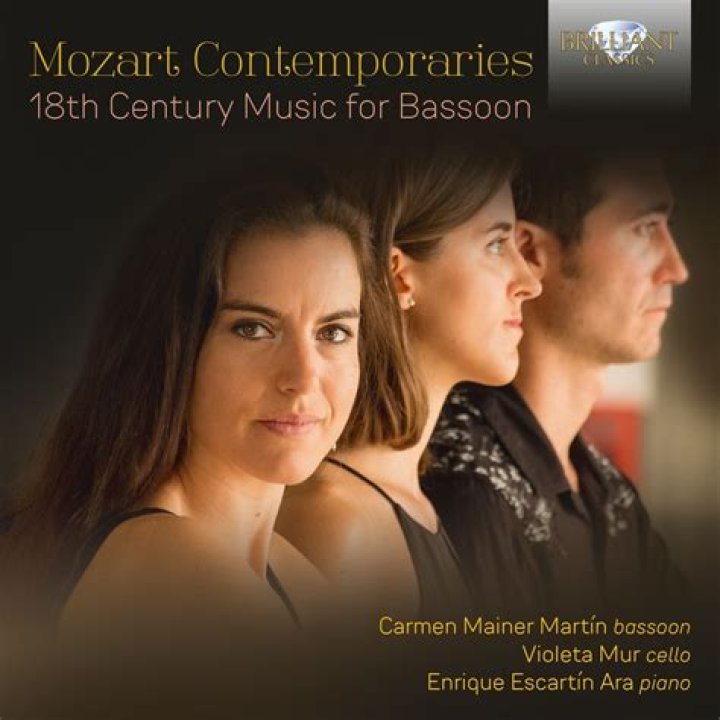
Wolfgang Amadeus Mozart is often regarded as the pinnacle of classical music composition, but his era was rich with talented contemporaries who shaped the musical landscape of the 18th century. As we delve into this fascinating period, understanding the lives, works, and contributions of Mozart's contemporaries provides a deeper appreciation for the classical music genre. This article will explore their achievements and how they influenced the development of Western music.
While Mozart's genius is undeniable, it is essential to recognize the composers who shared the stage with him during his lifetime. These contemporaries not only inspired Mozart but also contributed significantly to the evolution of music. By examining their works and legacies, we can gain a broader perspective on the vibrant musical environment of the time.
This article will guide you through the world of Mozart's contemporaries, highlighting their biographies, notable compositions, and the impact they had on music history. Whether you are a music enthusiast or simply curious about the classical era, this exploration will enrich your understanding of the period and its remarkable figures.
Biography of Mozart's Contemporaries
Who Were Mozart's Contemporaries?
Mozart's contemporaries were composers who lived and worked during the same period as Wolfgang Amadeus Mozart, roughly between 1750 and 1800. This era, known as the Classical period, was marked by significant developments in musical form, structure, and expression. Some of these composers achieved fame during their lifetimes, while others gained recognition posthumously.
Key figures such as Joseph Haydn, Ludwig van Beethoven, Christoph Willibald Gluck, and Carl Philipp Emanuel Bach were among the most influential contemporaries of Mozart. Each brought unique contributions to the classical music tradition, shaping the trajectory of Western music.
To provide a clearer picture, here is a table summarizing the biographical details of some prominent contemporaries:
| Name | Birth Year | Death Year | Nationality | Notable Works |
|---|---|---|---|---|
| Joseph Haydn | 1732 | 1809 | Austrian | Symphony No. 94 ("Surprise"), String Quartets |
| Ludwig van Beethoven | 1770 | 1827 | German | Symphony No. 3 ("Eroica"), Piano Sonata No. 14 ("Moonlight") |
| Christoph Willibald Gluck | 1714 | 1787 | German | Orfeo ed Euridice, Alceste |
| Carl Philipp Emanuel Bach | 1714 | 1788 | German | Hamburg Symphonies, Keyboard Sonatas |
List of Prominent Composers
Joseph Haydn: The "Father of the Symphony"
Joseph Haydn, often referred to as the "Father of the Symphony," was a prolific composer whose works laid the foundation for many classical forms. He was a close friend and mentor to Mozart, and his influence is evident in Mozart's compositions. Haydn's symphonies and string quartets remain staples of the classical repertoire.
- Haydn composed over 100 symphonies, earning him the title "Father of the Symphony."
- His string quartets are considered masterpieces of chamber music.
- Haydn's innovative use of form and harmony set the stage for future composers.
Musical Influences and Styles
Classical Era Characteristics
The classical era was characterized by clarity, balance, and formality in music. Composers of this period sought to create works that were accessible yet sophisticated, often adhering to established forms such as the sonata, symphony, and string quartet. Mozart and his contemporaries embraced these conventions while pushing the boundaries of musical expression.
Key features of the classical style include:
- Use of homophonic texture (melody with accompaniment).
- Emphasis on balanced phrases and clear structures.
- Incorporation of dynamic contrasts and expressive elements.
Haydn: The Father of the Symphony
Joseph Haydn's contributions to the development of the symphony cannot be overstated. His innovative approach to orchestration and form set a new standard for symphonic music. Haydn's influence extended beyond his own compositions, as he served as a mentor to both Mozart and Beethoven.
Mozart admired Haydn's work and often sought his advice. Their mutual respect and collaboration enriched the classical music tradition, paving the way for future generations of composers.
Beethoven: Bridging Classical and Romantic
Beethoven's Role in Transitioning to the Romantic Era
Ludwig van Beethoven, although younger than Mozart, played a crucial role in bridging the classical and romantic periods. His early works reflect the influence of Mozart and Haydn, while his later compositions introduced elements that would define the romantic era. Beethoven's ability to innovate while maintaining a connection to the classical tradition underscores his genius.
Notable works such as the "Eroica" Symphony and the "Moonlight" Sonata exemplify Beethoven's mastery of form and emotional depth.
Cultural Context of the Classical Era
Social and Political Influences
The classical era coincided with significant social and political changes, including the Enlightenment and the French Revolution. These events influenced the music of the time, as composers sought to reflect the ideals of reason, progress, and individualism in their works.
Mozart and his contemporaries often wrote for aristocratic patrons, but the growing middle class also began to appreciate classical music. This shift in audience demographics contributed to the democratization of music and its increasing accessibility.
Compositional Techniques
Innovations in Form and Structure
Mozart and his contemporaries were masters of compositional technique, employing various forms and structures to create cohesive and expressive works. Sonata form, in particular, became a hallmark of classical music, providing a framework for exploration and development.
Key techniques include:
- Use of thematic development and variation.
- Incorporation of counterpoint and harmony.
- Experimentation with orchestration and instrumentation.
Musical Innovations of the Time
Advancements in Instrumentation
The classical era saw significant advancements in instrumentation, with the development of new instruments and improvements in existing ones. The piano, for example, replaced the harpsichord as the preferred keyboard instrument, allowing composers to explore greater dynamic range and expressiveness.
Mozart and his contemporaries took full advantage of these innovations, writing music that showcased the capabilities of the latest instruments.
Legacy and Impact on Future Generations
Influence on Romantic and Modern Music
The legacy of Mozart and his contemporaries extends far beyond their own era. Their innovations in form, structure, and expression laid the groundwork for the romantic and modern periods of music. Composers such as Beethoven, Schubert, and Brahms built upon the foundations established by Mozart and his peers, creating a rich and diverse musical tradition.
Today, the works of Mozart and his contemporaries continue to inspire musicians and audiences around the world, ensuring their lasting impact on the art form.
Modern Reception and Interpretation
Contemporary Perspectives on Classical Music
In the modern era, the music of Mozart and his contemporaries is celebrated for its timeless beauty and universal appeal. Performances of their works are a staple of concert halls worldwide, and recordings continue to captivate listeners of all ages.
As we reflect on the contributions of Mozart's contemporaries, we recognize the profound influence they had on the development of Western music. Their works remind us of the power of art to transcend time and culture, connecting us to the past while inspiring the future.
Kesimpulan
In conclusion, exploring the lives and works of Mozart's contemporaries provides a richer understanding of the classical music tradition. From the innovations of Joseph Haydn to the transitional genius of Ludwig van Beethoven, these composers shaped the musical landscape of the 18th century and beyond.
We invite you to engage with this rich history by leaving your thoughts in the comments, sharing this article with fellow music enthusiasts, or exploring other articles on our site. Together, let us celebrate the enduring legacy of Mozart and his remarkable contemporaries.
Data and references for this article were sourced from reputable institutions such as the Encyclopedia Britannica, Classical Music Magazine, and Oxford Music Online.

![Decoding Movie Rules: Understanding & Enjoying Films | [Movierulz] & Beyond](https://silver.isevcloud.co.uk/uploads/3-movierulz-brings-the-latest-hollywood-movierulz-news-3movierulz-also-brings-movie-news-tv-news-trailers-reviews-movierulz-articles-in-south-ind-movies-are-more-than-just-a-form-of-entertainment-they-are-a-reflection-of-culture-storytelling-and-human-emotions-understanding-the-rules-that-govern-films-can-enhance-your-viewing-experience-and-provide-deeper-insights-into-the-narratives-presented-in-this-article-we-will-explore-the-five-essential-movie-rules-that-every-cinephile-should-know-before-movierulz-2025-latest-hd-telugu-kannada-tamil-south-indian-movies-web-series-shows-kdramas-watch-at-high-quality-on-movierulz-tv-this-page-is-intended-to-document-significant-changes-to-the-movie-rules-over-the-course-of-the-site-u2019s-history-this-is-far-from-a-complete-list-with-emphasis-being-placed-on-more-recent-rule-changes-standard-goals-based-on-di-u2026-understanding-movierules-is-essential-for-filmmakers-producers-and-even-audiences-these-regulations-impact-everything-from-the-production-phase-to-distribution-and-viewership-by-adhering-to-these-rules-filmmakers-can-navigate-the-complex-landscape-of-content-creation-ensuring-their-work-is-both-legally-compliant-and-culturally-sensitive-movie-show-times-schedules-and-tickets-in-los-angeles-long-beach-anaheim-santa-ana-irvine-burbank-lakewood-santa-monica-fountain-valley-orange-pasadena-ca-when-it-comes-to-enjoying-films-understanding-the-core-principles-that-govern-cinematic-storytelling-can-elevate-your-viewing-experience-significantly-the-5-movie-rules-com-framework-offers-a-set-of-guidelines-designed-to-help-both-filmmakers-and-audiences-appreciate-the-intricacies-of-modern-cinema-in-this-article-we-will-explore-these-five-essential-rules-and-this-combination-of-comfort-variety-and-free-access-makes-movierulz-profoundly-attractive-especially-for-viewers-on-a-tight-budget-the-dark-side-of-piracy-we-would-like-to-show-you-a-description-here-but-the-site-won-u2019t-allow-us-movierulz-com-movierulz-latest-bollywood-and-hollywood-movies-watch-online-full-free-movierulz-is-wide-range-collection-of-telugu-movies-tamil-malayalam-bengali-kannada-movierulz-movierulz-provide-a-wide-range-of-telugu-movies-tamil-malayalam-and-hindi-movies-watch-full-telugu-movies-online-anytime-anywhere-on-zee5-also-explore-41-telugu-movies-online-in-full-hd-from-our-latest-telugu-movies-collection-movies-are-more-than-just-a-form-of-entertainment-they-are-a-reflection-of-culture-storytelling-and-human-emotions-understanding-the-rules-that-govern-films-can-enhance-your-viewing-experience-and-provide-deeper-insights-into-the-narratives-presented-in-this-article-we-will-explore-the-five-essential-movie-rules-that-every-cinephile-should-know-before-movierulz-latest-featured-telugu-movies-watch-online-download-full-free-collection-of-bollywood-movies-tamil-malayalam-dubbed-kannada-5movierulz-movierulz-is-a-piracy-website-that-leaks-the-tamil-telugu-kannada-hindi-movies-and-allows-users-to-download-movies-in-free-check-out-the-latest-news-and-updates-on-meta-movierulz-here-enjoy-watching-new-telugu-movies-release-of-2025-experience-the-latest-and-new-south-indian-movies-on-your-mobile-device_720.jpg)

