
Nixon Legacy: Unveiling the Enduring Impact of Richard Nixon's Presidency
By Matthew Harrington
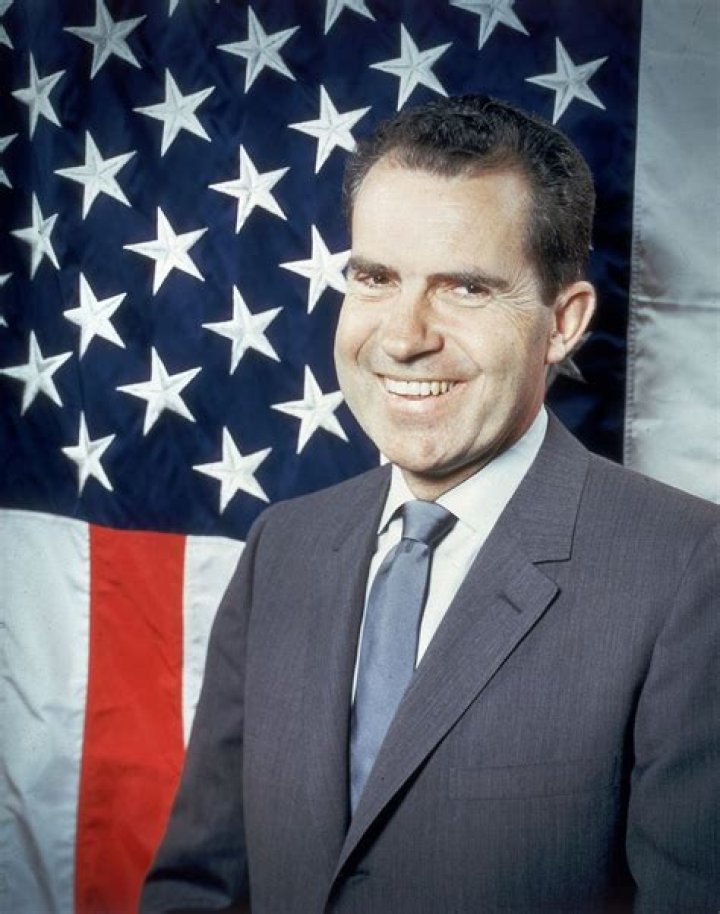
Richard Nixon's legacy remains one of the most polarizing and influential chapters in American history. As the 37th President of the United States, Nixon's tenure was marked by groundbreaking achievements and profound controversies that continue to shape modern politics. The Nixon era left an indelible mark on domestic and international policies, making it essential to explore both his accomplishments and challenges.
Nixon's presidency, spanning from 1969 to 1974, was characterized by transformative decisions that redefined the geopolitical landscape. From groundbreaking diplomatic relations to controversial domestic policies, his administration set precedents that continue to influence contemporary governance. This article delves into the multifaceted aspects of the Nixon legacy, shedding light on its lasting impact on the nation and the world.
Understanding Nixon's legacy requires a comprehensive examination of his achievements, challenges, and controversies. By analyzing his contributions to foreign policy, domestic reforms, and the Watergate scandal, we gain valuable insights into the complexities of leadership and its enduring consequences. This exploration aims to provide a balanced perspective on Nixon's presidency and its relevance in today's political climate.
Early Life and Political Career
Richard Milhous Nixon was born on January 9, 1913, in Yorba Linda, California. Raised in a modest Quaker family, Nixon's early life was marked by discipline and academic excellence. His educational journey took him to Whittier College and Duke University School of Law, where he excelled academically. Nixon's political career began in 1946 when he was elected to the U.S. House of Representatives from California.
Key Milestones in Nixon's Political Journey
Nixon's rise to prominence included several pivotal moments:
- 1952: Elected as Dwight D. Eisenhower's Vice President.
- 1960: Lost the presidential election to John F. Kennedy.
- 1968: Successfully won the presidential election, marking the beginning of his presidency.
These milestones laid the foundation for Nixon's future contributions to American politics, showcasing his resilience and determination.
Domestic Policies: Achievements and Challenges
Nixon's domestic policies were a mix of progressive reforms and conservative principles. One of his notable achievements was the establishment of the Environmental Protection Agency (EPA) in 1970, demonstrating his commitment to environmental conservation. Additionally, Nixon introduced the Family Assistance Plan, which aimed to address poverty through welfare reform.
Challenges in Implementing Domestic Policies
Despite these accomplishments, Nixon faced significant challenges in implementing his domestic agenda:
- Opposition from Congress and interest groups.
- Controversies surrounding his handling of social issues.
These challenges highlighted the complexities of governance during a period of social and political upheaval.
Foreign Relations and Diplomacy
Nixon's foreign policy achievements are among the most celebrated aspects of his presidency. His administration's "Opening to China" in 1972 marked a historic shift in U.S.-China relations, paving the way for diplomatic engagement. Nixon's efforts to ease Cold War tensions through détente with the Soviet Union further solidified his reputation as a skilled diplomat.
Key Diplomatic Achievements
Some of Nixon's most notable foreign policy successes include:
- The signing of the Strategic Arms Limitation Talks (SALT) agreement with the Soviet Union.
- Establishment of formal diplomatic relations with the People's Republic of China.
These achievements reshaped global politics, leaving a lasting impact on international relations.
Economic Policies and Their Legacy
Nixon's economic policies were designed to address the challenges of inflation and unemployment during the early 1970s. His administration introduced wage and price controls in 1971, a controversial measure aimed at stabilizing the economy. Although these policies provided short-term relief, they faced criticism for their long-term effects on market dynamics.
Legacy of Nixon's Economic Reforms
The economic legacy of Nixon's presidency includes:
- Temporary stabilization of inflation rates.
- Challenges in maintaining economic growth amid global oil crises.
Understanding these outcomes provides valuable insights into the complexities of economic policymaking.
Environmental Policies: Nixon's Green Initiatives
Richard Nixon's commitment to environmental conservation remains a cornerstone of his legacy. The establishment of the EPA and the passage of landmark legislation such as the Clean Air Act and the Endangered Species Act underscore his dedication to preserving natural resources.
Impact of Nixon's Environmental Policies
The long-term impact of Nixon's environmental initiatives includes:
- Improved air and water quality standards.
- Protection of endangered species and their habitats.
These policies continue to influence environmental regulations worldwide.
The Watergate Scandal: A Defining Moment
The Watergate scandal remains one of the most infamous episodes in American political history. Nixon's involvement in the cover-up of a break-in at the Democratic National Committee headquarters led to his resignation in 1974. This event reshaped public perceptions of presidential power and accountability.
Lessons from Watergate
The Watergate scandal highlighted several critical lessons:
- The importance of transparency and ethical governance.
- The role of investigative journalism in holding leaders accountable.
These lessons continue to resonate in contemporary discussions about political integrity.
Social Impact and Civil Rights
Nixon's administration addressed various social issues, including civil rights and desegregation. While he supported the continuation of affirmative action programs, his policies faced criticism from both liberal and conservative factions. Nixon's approach to social reform reflected the complexities of navigating a divided nation.
Nixon's Approach to Civil Rights
Key aspects of Nixon's civil rights policies include:
- Expansion of affirmative action programs.
- Implementation of desegregation plans in Southern schools.
These efforts contributed to gradual progress in achieving racial equality.
Nixon's Legacy: A Balanced Perspective
The legacy of Richard Nixon is a complex tapestry of achievements and controversies. While his contributions to foreign policy and environmental conservation remain celebrated, the Watergate scandal continues to overshadow his presidency. A balanced evaluation of Nixon's legacy requires an understanding of both his successes and failures.
Key Contributions to American History
Nixon's lasting contributions include:
- Groundbreaking diplomatic relations with China and the Soviet Union.
- Establishment of landmark environmental policies.
These achievements underscore his significance as a transformative figure in American history.
Contemporary Relevance of Nixon's Presidency
Nixon's presidency remains relevant in today's political landscape, offering valuable lessons on leadership, governance, and accountability. His approach to diplomacy and domestic policy continues to influence modern political discourse. By examining Nixon's legacy, we gain insights into the challenges and opportunities of effective leadership.
Lessons for Modern Leaders
Key takeaways from Nixon's presidency include:
- The importance of ethical leadership and transparency.
- The potential for bipartisan cooperation in addressing national challenges.
These lessons remain applicable in today's increasingly polarized political environment.
Conclusion: Reflecting on Nixon's Enduring Influence
In conclusion, Richard Nixon's legacy is defined by his transformative contributions to American politics and the enduring controversies that shaped his presidency. By exploring his achievements in foreign policy, domestic reforms, and environmental conservation, we gain a deeper understanding of his impact on the nation and the world. As we reflect on Nixon's presidency, it is essential to recognize both his successes and failures, drawing valuable lessons for future leaders.
We invite you to engage with this article by leaving your thoughts and questions in the comments section below. Additionally, we encourage you to explore other articles on our site that delve into the complexities of American history and politics. Together, let's continue the conversation about the enduring influence of Richard Nixon's legacy.


