
Norwegian Forest Cat Care: A Comprehensive Guide for Cat Lovers
By John Peck
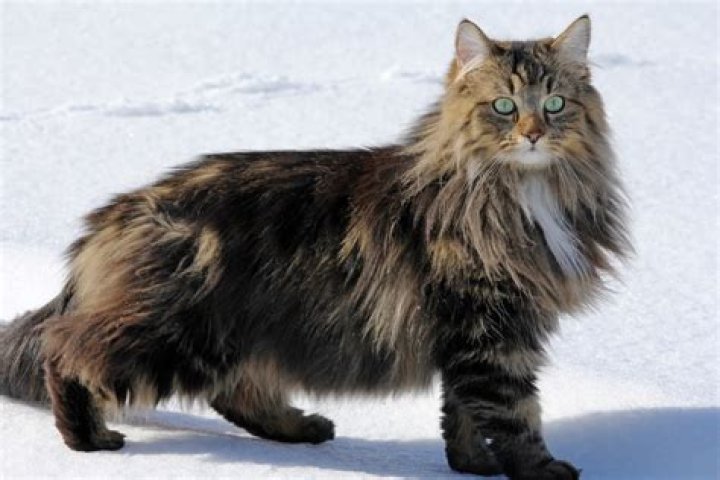
Norwegian Forest cats, also known as "Wegies," are majestic felines with a rich history and a stunning appearance. These large, semi-longhaired cats are known for their thick double coats, tufted ears, and affectionate personalities. If you're considering adopting a Norwegian Forest Cat or already own one, understanding their care needs is essential to ensure they live a long, healthy, and happy life.
Originating from the cold Scandinavian forests, these cats have adapted to survive in harsh weather conditions, making them robust and resilient. However, their unique characteristics also come with specific care requirements. This guide will provide you with everything you need to know about Norwegian Forest Cat care, from grooming and nutrition to health and socialization.
Whether you're a first-time cat owner or an experienced feline enthusiast, this article will help you understand the nuances of caring for a Norwegian Forest Cat. Let's dive into the world of these enchanting creatures and discover how to give them the best possible care.
History and Origin of Norwegian Forest Cats
Norwegian Forest Cats have a fascinating history that dates back thousands of years. Believed to have originated in Norway, these cats were companions to Viking sailors and farmers, helping to control rodent populations. Their thick, water-resistant coats allowed them to thrive in the cold Scandinavian climate.
It wasn't until the 1930s that Norwegian Forest Cats were officially recognized as a breed in Europe. Efforts were made to preserve the breed during World War II, and by the 1970s, they gained international recognition. Today, they are beloved pets around the world, cherished for their beauty and gentle nature.
Key Facts About Their Origin
- Believed to have lived in Norway for over 4,000 years.
- Recognized as a breed in the 1930s.
- Officially introduced to the United States in the 1980s.
Physical Appearance of Norwegian Forest Cats
Norwegian Forest Cats are known for their striking appearance, which includes a thick double coat, tufted ears, and a robust body structure. Adult males typically weigh between 13-22 pounds, while females are slightly smaller, weighing 9-12 pounds.
Their coat comes in a variety of colors and patterns, including tabby, solid, bi-color, and tortoiseshell. The coat's water-resistant properties make it ideal for outdoor living, though most Wegies today are indoor pets.
Physical Characteristics
- Thick double coat with a woolly undercoat.
- Bushy tails and tufted ears.
- Large, almond-shaped eyes that come in various colors.
Temperament and Personality
Norwegian Forest Cats are known for their friendly and sociable nature. They are intelligent, independent, and affectionate, making them ideal companions for families and individuals alike. While they enjoy human interaction, they also value their independence and may prefer to observe from a distance at times.
These cats are adaptable and thrive in various environments, whether it's a bustling household or a quiet apartment. They are also known for their climbing abilities, thanks to their strong legs and sharp claws.
Personality Traits
- Friendly and affectionate.
- Independent but social.
- Adaptable and intelligent.
Grooming Needs for Norwegian Forest Cats
Grooming is an essential part of Norwegian Forest Cat care. Their thick double coat requires regular maintenance to prevent matting and reduce shedding. While they are relatively low-maintenance compared to other long-haired breeds, consistent grooming is still necessary.
Brushing their coat at least once a week will help remove loose hair and distribute natural oils. During shedding seasons, which typically occur in the spring and fall, daily brushing may be required to manage the increased hair loss.
Grooming Tips
- Use a slicker brush to remove tangles and loose hair.
- Check their ears weekly for signs of infection or dirt buildup.
- Trim their nails every two to three weeks.
Nutritional Requirements
A balanced diet is crucial for maintaining the health of Norwegian Forest Cats. These cats require high-quality protein, healthy fats, and essential nutrients to support their active lifestyles and maintain their thick coats.
It's important to choose a cat food that meets their specific dietary needs. Look for products that contain real meat as the primary ingredient and avoid those with fillers or artificial additives.
Dietary Recommendations
- High-protein cat food with real meat as the main ingredient.
- Healthy fats to support coat health.
- Avoid food with fillers and artificial additives.
Common Health Issues
While Norwegian Forest Cats are generally healthy and robust, they are prone to certain genetic conditions. Glycogen storage disease type IV (GSD IV) and hypertrophic cardiomyopathy (HCM) are two conditions that can affect this breed. Regular veterinary check-ups and genetic testing can help identify and manage these issues early.
Additionally, their thick coats can make them more susceptible to external parasites like fleas and ticks. Regular grooming and preventive treatments can help keep these pests at bay.
Health Concerns
- Glycogen storage disease type IV (GSD IV).
- Hypertrophic cardiomyopathy (HCM).
- Flea and tick infestations.
Exercise and Playtime
Norwegian Forest Cats are active and playful, requiring regular exercise to stay healthy and happy. Interactive toys, climbing trees, and puzzle feeders can provide mental and physical stimulation. Daily play sessions of 15-20 minutes are recommended to keep them engaged and fit.
These cats also enjoy outdoor adventures, but it's essential to ensure their safety by using a harness or keeping them in a secure outdoor enclosure.
Exercise Ideas
- Interactive toys like feather wands and laser pointers.
- Climbing trees and scratching posts.
- Controlled outdoor play with a harness.
Socialization and Training
Socialization is vital for Norwegian Forest Cats to develop into well-adjusted adults. Early exposure to different people, animals, and environments can help them become more confident and adaptable. Positive reinforcement training techniques can also be used to teach basic commands and tricks.
These cats are intelligent and enjoy learning new things, making training sessions both fun and rewarding. Consistency and patience are key to successful training outcomes.
Training Tips
- Use positive reinforcement techniques.
- Start training at a young age for best results.
- Be patient and consistent during training sessions.
Lifespan and Aging
Norwegian Forest Cats have a lifespan of 12-16 years with proper care. As they age, their nutritional and healthcare needs may change. Senior cats may require a diet lower in calories and higher in joint-supporting nutrients like glucosamine and chondroitin.
Regular veterinary visits are essential for monitoring their health and addressing any age-related issues. Keeping them mentally and physically active can also help slow the aging process.
Aging Considerations
- Monitor for signs of aging such as decreased mobility.
- Adjust their diet to meet senior nutritional needs.
- Provide comfortable bedding and easy access to resources.
Cost of Owning a Norwegian Forest Cat
Owning a Norwegian Forest Cat comes with certain financial responsibilities. The initial cost of purchasing a kitten from a reputable breeder can range from $800 to $2,000. Ongoing expenses include food, grooming supplies, veterinary care, and other necessities.
It's important to budget for unexpected expenses, such as emergency veterinary visits or specialized treatments. Investing in pet insurance can help alleviate some of these costs.
Cost Breakdown
- Initial purchase price: $800-$2,000.
- Monthly food and grooming supplies: $50-$100.
- Veterinary care and insurance: $300-$500 annually.
Conclusion
Norwegian Forest Cat care involves a combination of grooming, nutrition, exercise, and socialization to ensure their well-being. These majestic cats bring joy and companionship to their owners, making the effort worthwhile. By understanding their unique needs and providing proper care, you can help your Norwegian Forest Cat live a long and happy life.
We encourage you to share this article with fellow cat lovers and leave a comment below if you have any questions or additional tips. For more information on cat care, explore our other articles and resources. Together, let's create a better world for our feline friends!

![Decoding Movie Rules: Understanding & Enjoying Films | [Movierulz] & Beyond](https://silver.isevcloud.co.uk/uploads/3-movierulz-brings-the-latest-hollywood-movierulz-news-3movierulz-also-brings-movie-news-tv-news-trailers-reviews-movierulz-articles-in-south-ind-movies-are-more-than-just-a-form-of-entertainment-they-are-a-reflection-of-culture-storytelling-and-human-emotions-understanding-the-rules-that-govern-films-can-enhance-your-viewing-experience-and-provide-deeper-insights-into-the-narratives-presented-in-this-article-we-will-explore-the-five-essential-movie-rules-that-every-cinephile-should-know-before-movierulz-2025-latest-hd-telugu-kannada-tamil-south-indian-movies-web-series-shows-kdramas-watch-at-high-quality-on-movierulz-tv-this-page-is-intended-to-document-significant-changes-to-the-movie-rules-over-the-course-of-the-site-u2019s-history-this-is-far-from-a-complete-list-with-emphasis-being-placed-on-more-recent-rule-changes-standard-goals-based-on-di-u2026-understanding-movierules-is-essential-for-filmmakers-producers-and-even-audiences-these-regulations-impact-everything-from-the-production-phase-to-distribution-and-viewership-by-adhering-to-these-rules-filmmakers-can-navigate-the-complex-landscape-of-content-creation-ensuring-their-work-is-both-legally-compliant-and-culturally-sensitive-movie-show-times-schedules-and-tickets-in-los-angeles-long-beach-anaheim-santa-ana-irvine-burbank-lakewood-santa-monica-fountain-valley-orange-pasadena-ca-when-it-comes-to-enjoying-films-understanding-the-core-principles-that-govern-cinematic-storytelling-can-elevate-your-viewing-experience-significantly-the-5-movie-rules-com-framework-offers-a-set-of-guidelines-designed-to-help-both-filmmakers-and-audiences-appreciate-the-intricacies-of-modern-cinema-in-this-article-we-will-explore-these-five-essential-rules-and-this-combination-of-comfort-variety-and-free-access-makes-movierulz-profoundly-attractive-especially-for-viewers-on-a-tight-budget-the-dark-side-of-piracy-we-would-like-to-show-you-a-description-here-but-the-site-won-u2019t-allow-us-movierulz-com-movierulz-latest-bollywood-and-hollywood-movies-watch-online-full-free-movierulz-is-wide-range-collection-of-telugu-movies-tamil-malayalam-bengali-kannada-movierulz-movierulz-provide-a-wide-range-of-telugu-movies-tamil-malayalam-and-hindi-movies-watch-full-telugu-movies-online-anytime-anywhere-on-zee5-also-explore-41-telugu-movies-online-in-full-hd-from-our-latest-telugu-movies-collection-movies-are-more-than-just-a-form-of-entertainment-they-are-a-reflection-of-culture-storytelling-and-human-emotions-understanding-the-rules-that-govern-films-can-enhance-your-viewing-experience-and-provide-deeper-insights-into-the-narratives-presented-in-this-article-we-will-explore-the-five-essential-movie-rules-that-every-cinephile-should-know-before-movierulz-latest-featured-telugu-movies-watch-online-download-full-free-collection-of-bollywood-movies-tamil-malayalam-dubbed-kannada-5movierulz-movierulz-is-a-piracy-website-that-leaks-the-tamil-telugu-kannada-hindi-movies-and-allows-users-to-download-movies-in-free-check-out-the-latest-news-and-updates-on-meta-movierulz-here-enjoy-watching-new-telugu-movies-release-of-2025-experience-the-latest-and-new-south-indian-movies-on-your-mobile-device_720.jpg)

