
Nude Figurines: The Artistic Expression of Human Form
By Andrew Thornton
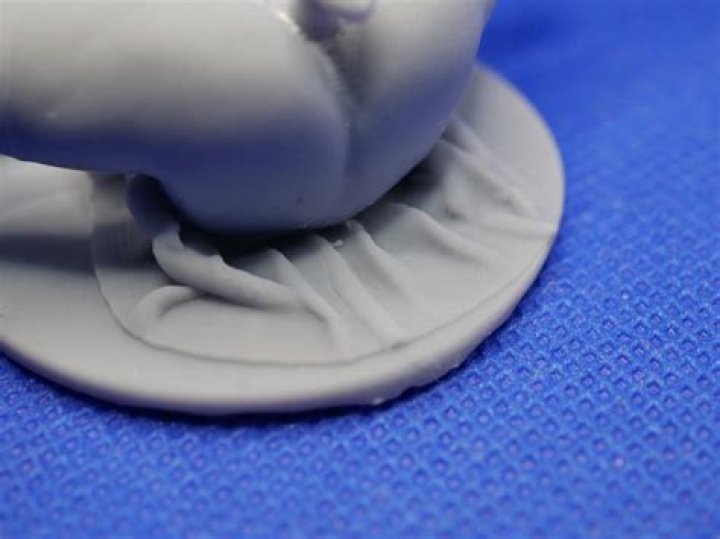
For centuries, nude figurines have captivated art enthusiasts and collectors worldwide. These intricate sculptures represent the pinnacle of artistic expression, showcasing the beauty and complexity of the human form. From ancient civilizations to modern-day artists, the creation of nude figurines remains a timeless tradition that continues to inspire awe and admiration.
Nude figurines transcend mere artistic representation; they are a celebration of human anatomy and emotion. Each piece tells a story, capturing moments of vulnerability, strength, and grace. Whether crafted in marble, bronze, or clay, these sculptures serve as a testament to the skill and vision of their creators.
In this article, we will delve into the fascinating world of nude figurines, exploring their historical significance, artistic techniques, and cultural impact. By the end, you'll have a deeper understanding of why these sculptures continue to hold such an important place in the art world.
The History of Nude Figurines
Nude figurines have been part of human culture for thousands of years. The earliest known examples date back to the Paleolithic era, with the famous "Venus of Willendorf," discovered in Austria. These ancient sculptures often depicted fertility and were symbolic of life and abundance.
As civilizations advanced, so did the artistry of nude figurines. Ancient Greece is renowned for its lifelike sculptures, which celebrated the ideal human form. Artists such as Phidias and Praxiteles created masterpieces that continue to influence modern artists today.
During the Renaissance, nude figurines experienced a resurgence in popularity. Artists like Michelangelo and Donatello pushed the boundaries of anatomical accuracy, producing works that combined realism with emotional depth.
Evolution of Styles
Over the centuries, the style of nude figurines has evolved significantly. From the exaggerated proportions of ancient fertility symbols to the hyper-realistic sculptures of the Baroque period, each era brought its unique interpretation of the human form.
Materials Used in Nude Figurines
The choice of material plays a crucial role in the creation of nude figurines. Artists select materials based on their properties, such as durability, texture, and malleability. Some of the most commonly used materials include:
- Marble: Known for its smooth surface and ability to capture fine details, marble has been a favorite for centuries.
- Bronze: This metal alloy is prized for its strength and ability to withstand the test of time.
- Clay: A versatile material that allows artists to experiment with different shapes and textures.
- Wood: Often used for smaller sculptures, wood offers a warm, organic feel.
Material Selection
Choosing the right material is essential for achieving the desired artistic effect. Each material brings its own challenges and rewards, influencing the final appearance of the sculpture.
Artistic Techniques in Sculpting Nude Figurines
Creating a nude figurine requires a combination of technical skill and artistic vision. Artists employ various techniques to bring their creations to life. Some of the most common techniques include:
- Carving: This involves removing material from a solid block to reveal the sculpture within.
- Casting: A mold is created, and liquid material is poured into it to form the sculpture.
- Modeling: Artists shape the material by hand, often using tools to refine the details.
Each technique offers unique advantages and challenges, allowing artists to express their creativity in different ways.
Mastering the Craft
Becoming a skilled sculptor requires years of practice and dedication. Artists must develop a deep understanding of anatomy, proportion, and composition to create lifelike and compelling figurines.
Symbolism in Nude Figurines
Nude figurines often carry symbolic meanings that go beyond their physical appearance. These sculptures can represent concepts such as beauty, power, and vulnerability. For example, the Greek statue "Venus de Milo" symbolizes love and beauty, while Michelangelo's "David" embodies strength and courage.
In many cultures, nude figurines are also associated with spiritual or religious beliefs. They may serve as offerings to deities or as representations of divine figures.
Interpreting Symbolism
Understanding the symbolism behind nude figurines adds another layer of appreciation for these works of art. By exploring the cultural and historical context, viewers can gain deeper insights into the artist's intentions.
Cultural Significance of Nude Figurines
Nude figurines play a vital role in the cultural landscape of many societies. They reflect the values, beliefs, and aesthetics of the time in which they were created. In some cultures, these sculptures are seen as sacred objects, while in others, they are celebrated as masterpieces of human creativity.
Today, nude figurines continue to inspire artists and collectors alike. Exhibitions around the world showcase these works, allowing audiences to appreciate their beauty and significance.
Cultural Diversity
The diversity of nude figurines across cultures highlights the universal appeal of the human form. From African tribal sculptures to European Renaissance masterpieces, each piece tells a unique story about its origins and creators.
Collecting Nude Figurines
For many art enthusiasts, collecting nude figurines is a rewarding hobby. These sculptures offer a tangible connection to the past and a glimpse into the artistic traditions of different cultures. Whether you're a seasoned collector or a newcomer to the world of art, there are countless opportunities to discover and acquire these beautiful pieces.
When building a collection, it's important to consider factors such as authenticity, condition, and provenance. Consulting with experts and attending auctions can help ensure that your collection grows in both value and appreciation.
Tips for Collectors
Here are some tips for those interested in collecting nude figurines:
- Research the artist and the historical context of the piece.
- Look for works with unique features or rare materials.
- Consider the condition and preservation needs of the sculpture.
Contemporary Nude Figurines
In the modern era, artists continue to push the boundaries of nude figurine creation. New technologies, such as 3D printing, have opened up exciting possibilities for innovation in this field. Contemporary artists often incorporate elements of abstraction and surrealism into their work, challenging traditional notions of beauty and form.
Despite these advancements, many contemporary artists still draw inspiration from the classic techniques and styles of the past, creating works that pay homage to the rich history of nude figurines.
Modern Innovations
Technological advancements have transformed the way artists approach nude figurine creation. From digital sculpting to augmented reality displays, the possibilities for creative expression are virtually limitless.
Controversies Surrounding Nude Figurines
While nude figurines are widely admired, they have also been the subject of controversy. Some critics argue that these sculptures objectify the human form, while others see them as a celebration of natural beauty. Additionally, ethical concerns arise when dealing with ancient artifacts, as questions of ownership and cultural heritage come into play.
Despite these debates, nude figurines remain an integral part of the art world, sparking discussions about art, culture, and society.
Navigating Controversy
Understanding the controversies surrounding nude figurines requires an open mind and a willingness to engage with diverse perspectives. By examining both sides of the debate, we can gain a more nuanced appreciation for these works of art.
Preservation of Nude Figurines
Preserving nude figurines is essential for ensuring their longevity and continued appreciation. Proper storage, handling, and conservation techniques are crucial for maintaining the integrity of these sculptures. Museums and private collectors alike must take steps to protect their collections from environmental factors such as humidity, temperature fluctuations, and exposure to light.
Restoration efforts should only be undertaken by qualified professionals, using methods that respect the original intent of the artist while addressing any damage or deterioration.
Best Practices for Preservation
To preserve nude figurines effectively, consider the following best practices:
- Store sculptures in a controlled environment with stable temperature and humidity levels.
- Avoid direct sunlight and use UV-filtered lighting when displaying pieces.
- Regularly inspect sculptures for signs of wear or damage.
The Future of Nude Figurines
As we look to the future, the world of nude figurines is poised for continued growth and innovation. Emerging technologies and evolving artistic trends promise to shape the next generation of sculptures, while the enduring appeal of classic works ensures their place in art history.
Whether through traditional methods or cutting-edge techniques, artists will continue to explore the beauty and complexity of the human form, creating works that inspire and captivate audiences worldwide.
A Vision for Tomorrow
The future of nude figurines lies in the hands of visionary artists who dare to challenge conventions and redefine the boundaries of artistic expression. As new materials and technologies become available, the possibilities for creativity are endless.
Conclusion
In conclusion, nude figurines represent one of the most profound forms of artistic expression, capturing the essence of the human form in all its complexity and beauty. From their ancient origins to their contemporary manifestations, these sculptures continue to inspire and provoke thought, serving as a testament to the enduring power of art.
We invite you to share your thoughts and experiences with nude figurines in the comments section below. Whether you're a collector, artist, or simply an admirer of fine art, your insights are valuable to the ongoing dialogue about these remarkable works. Don't forget to explore our other articles for more fascinating content on the world of art and sculpture.


