
Nutritional Value of Yams vs Sweet Potatoes: A Comprehensive Guide
By Michael Gray
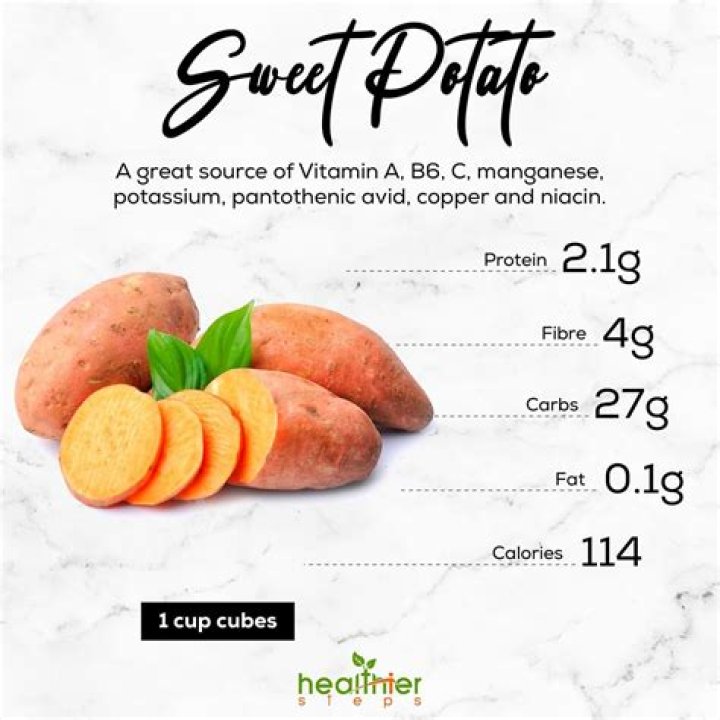
Yams and sweet potatoes are often confused with one another, but they have distinct nutritional profiles that set them apart. Both are starchy root vegetables packed with essential nutrients, making them excellent additions to a healthy diet. However, understanding their differences can help you make informed dietary choices.
Whether you're a health enthusiast, a chef, or simply someone looking to improve your diet, this article will provide an in-depth comparison of yams and sweet potatoes. We'll explore their nutritional content, health benefits, and culinary uses to help you decide which one suits your needs better.
By the end of this guide, you'll have a clearer understanding of the nutritional value of yams versus sweet potatoes and how they can contribute to your overall well-being. Let's dive into the details and uncover the facts!
Introduction to Yams and Sweet Potatoes
Yams and sweet potatoes are two root vegetables that are often mistaken for one another due to their similar appearance. However, they belong to entirely different botanical families. Yams, scientifically known as Dioscorea, are native to Africa and Asia, while sweet potatoes (Ipomoea batatas) originate from Central and South America.
Despite their differences, both yams and sweet potatoes are rich in carbohydrates, fiber, vitamins, and minerals. They are also low in fat, making them a healthy choice for those looking to maintain a balanced diet. Understanding the distinctions between these two vegetables is crucial for maximizing their nutritional benefits.
In this section, we'll explore the basic characteristics of yams and sweet potatoes, setting the stage for a more detailed comparison in the following sections.
Nutritional Comparison of Yams vs Sweet Potatoes
When comparing the nutritional value of yams versus sweet potatoes, it's essential to look at their macronutrient content, including calories, carbohydrates, proteins, and fats. Both vegetables are low in fat and high in complex carbohydrates, but their calorie content differs slightly.
Calorie Content
A 100-gram serving of yams contains approximately 118 calories, while the same serving of sweet potatoes provides around 86 calories. This difference in calorie content is primarily due to the higher water content in sweet potatoes compared to yams.
Key takeaway: If you're watching your calorie intake, sweet potatoes may be a better option.
Vitamins and Minerals in Yams and Sweet Potatoes
Both yams and sweet potatoes are rich in essential vitamins and minerals, but their profiles differ slightly. Sweet potatoes are particularly high in vitamin A, thanks to their beta-carotene content, while yams contain more potassium.
- Vitamin A: Sweet potatoes are an excellent source of vitamin A, which is crucial for maintaining healthy vision, skin, and immune function.
- Potassium: Yams contain more potassium than sweet potatoes, making them beneficial for regulating blood pressure and supporting heart health.
- Vitamin C: Both vegetables are good sources of vitamin C, which boosts the immune system and aids in collagen production.
These vitamins and minerals contribute to the overall nutritional value of yams and sweet potatoes, making them valuable components of a healthy diet.
Fiber Content in Yams and Sweet Potatoes
Fiber is an essential nutrient that promotes digestive health and helps regulate blood sugar levels. Both yams and sweet potatoes are rich in dietary fiber, but sweet potatoes tend to have a slight edge in this category.
A 100-gram serving of sweet potatoes provides approximately 3 grams of fiber, while yams offer around 2.7 grams. While the difference may seem small, it can add up over time, especially for those aiming to increase their fiber intake.
Health Benefits of Fiber
Improved digestion: Fiber helps prevent constipation and promotes regular bowel movements.
Lower cholesterol levels: Soluble fiber can help reduce LDL (bad) cholesterol levels, reducing the risk of heart disease.
Better blood sugar control: Fiber slows the absorption of sugar, helping to stabilize blood glucose levels.
Glycemic Index of Yams vs Sweet Potatoes
The glycemic index (GI) measures how quickly a food raises blood sugar levels. Foods with a high GI can cause rapid spikes in blood sugar, while those with a low GI have a more gradual effect.
Yams generally have a higher glycemic index than sweet potatoes, meaning they can cause a more significant spike in blood sugar levels. This makes sweet potatoes a better choice for individuals with diabetes or those looking to manage their blood sugar levels.
However, the GI can vary depending on factors such as cooking methods and the specific variety of yam or sweet potato. Boiling, for example, tends to lower the GI compared to roasting or frying.
Culinary Uses of Yams and Sweet Potatoes
Both yams and sweet potatoes are versatile ingredients that can be used in a variety of dishes. They can be roasted, mashed, baked, fried, or even turned into soups and desserts.
Popular Recipes
- Sweet Potato Fries: A healthier alternative to regular fries, sweet potato fries are easy to make and packed with nutrients.
- Yam Soup: This hearty dish is a staple in many African cuisines and is perfect for cold winter days.
- Sweet Potato Pie: A classic dessert that combines the natural sweetness of sweet potatoes with warm spices like cinnamon and nutmeg.
Experimenting with different recipes can help you incorporate these nutritious vegetables into your diet in creative and delicious ways.
Health Benefits of Yams and Sweet Potatoes
Beyond their nutritional content, yams and sweet potatoes offer a range of health benefits. Here are some of the key advantages of including these vegetables in your diet:
- Antioxidant Properties: Both yams and sweet potatoes contain antioxidants that help protect cells from damage caused by free radicals.
- Supports Immune Function: The high vitamin C content in these vegetables boosts the immune system, helping your body fight off infections.
- Heart Health: The potassium in yams and sweet potatoes helps regulate blood pressure, reducing the risk of heart disease.
By incorporating yams and sweet potatoes into your meals, you can enjoy these health benefits while adding variety to your diet.
Common Mistakes When Identifying Yams and Sweet Potatoes
One of the most common mistakes people make is confusing yams with sweet potatoes. In many grocery stores, especially in the United States, what is labeled as a "yam" is often just a type of sweet potato with a darker skin and orange flesh. True yams are less common in Western markets and are typically found in international or specialty stores.
To differentiate between the two, look for the following characteristics:
- Yams: Have a rough, brown, bark-like skin and are usually larger and drier in texture.
- Sweet Potatoes: Have a smooth, reddish-brown skin and come in various colors, including orange, white, and purple.
Being aware of these differences can help you make the right choice when shopping for these vegetables.
Storage Tips for Yams and Sweet Potatoes
Proper storage is essential to maintain the quality and freshness of yams and sweet potatoes. Here are some tips for storing these vegetables:
- Store in a cool, dry place: Avoid refrigerating yams and sweet potatoes, as cold temperatures can affect their flavor and texture.
- Keep them well-ventilated: Store yams and sweet potatoes in a basket or on a shelf, allowing for air circulation to prevent moisture buildup.
- Use within a few weeks: While yams and sweet potatoes can last for several weeks if stored properly, it's best to use them within a month for optimal flavor and nutrition.
By following these storage tips, you can ensure that your yams and sweet potatoes remain fresh and delicious for longer.
Conclusion: Which One Should You Choose?
In conclusion, both yams and sweet potatoes offer excellent nutritional value and health benefits. While sweet potatoes are higher in vitamin A and fiber, yams contain more potassium and have a unique texture that makes them ideal for certain dishes.
Ultimately, the choice between yams and sweet potatoes depends on your dietary needs and culinary preferences. Incorporating both into your diet can provide a diverse range of nutrients and flavors, enhancing your overall well-being.
We encourage you to leave a comment below sharing your favorite recipes or tips for using yams and sweet potatoes. Don't forget to share this article with friends and family who might benefit from this information. For more informative content on nutrition and healthy living, explore our other articles on the site!


