
Olfactory Receptors Which Provide the Sense of Smell Are Essential for Perception
By Michael King
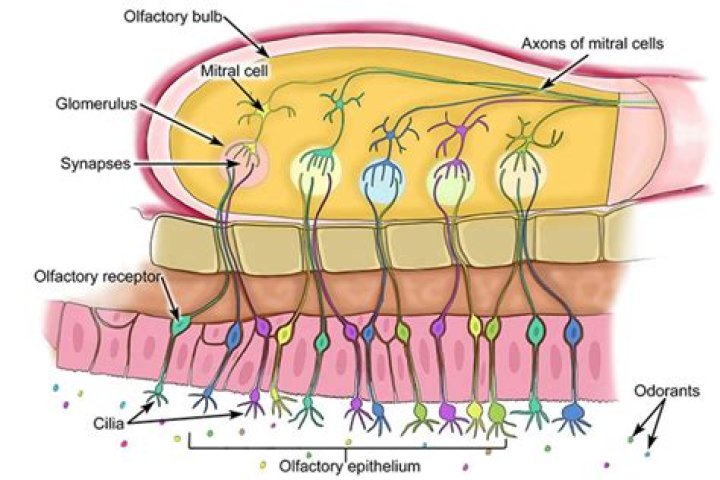
Olfactory receptors which provide the sense of smell are crucial components of our sensory system. They play an indispensable role in how we perceive the world around us. Our ability to detect various scents allows us to enjoy food, identify potential dangers, and form emotional connections with memories.
Smell is one of the most fascinating senses humans possess. Unlike vision or hearing, olfaction relies on chemical interactions that occur at a molecular level. This intricate process involves specialized proteins known as olfactory receptors, which are embedded in the nasal epithelium. These receptors translate chemical signals into neural impulses, allowing us to perceive a vast array of odors.
Understanding how olfactory receptors function is not only important for basic scientific research but also has practical applications in fields like medicine, fragrance development, and environmental science. By delving deeper into this topic, we can gain valuable insights into human biology and improve our quality of life.
What Are Olfactory Receptors?
Olfactory receptors are specialized proteins located in the nasal cavity that detect odor molecules. These receptors are part of a larger family of G-protein-coupled receptors (GPCRs), which are involved in various cellular signaling processes. Each olfactory receptor is tuned to respond to specific odorant molecules, allowing for the detection of thousands of different scents.
Key Characteristics of Olfactory Receptors
- Highly specific to particular odor molecules.
- Embedded in the cilia of olfactory sensory neurons.
- Capable of detecting extremely low concentrations of odorants.
Research shows that humans have approximately 400 functional olfactory receptor genes, which encode for a diverse array of receptor proteins. This genetic diversity enables us to perceive a wide range of smells, from floral fragrances to pungent odors.
Structure and Function of Olfactory Receptors
The structure of olfactory receptors is critical to their function. These receptors consist of seven transmembrane domains, a common feature of GPCRs. When an odorant molecule binds to an olfactory receptor, it triggers a cascade of intracellular signaling events that ultimately result in the generation of a nerve impulse.
Steps in the Olfactory Signaling Pathway
- Odorant molecules bind to olfactory receptors.
- Receptor activation stimulates G-proteins.
- Adenylyl cyclase is activated, producing cyclic AMP (cAMP).
- cAMP opens ion channels, leading to depolarization of the neuron.
- The signal is transmitted to the olfactory bulb in the brain.
This complex process highlights the importance of olfactory receptors in transforming chemical stimuli into electrical signals that the brain can interpret.
How Smell Works: The Role of Olfactory Receptors
Smell works through a combination of physical and chemical processes. When we inhale, air carrying odorant molecules enters the nasal cavity. These molecules interact with olfactory receptors, initiating the signaling pathway described earlier. The information is then sent to the olfactory bulb, where it is processed and relayed to other parts of the brain for further interpretation.
Studies suggest that olfactory receptors are highly sensitive, capable of detecting odorants at concentrations as low as parts per trillion. This sensitivity is crucial for identifying potentially harmful substances, such as spoiled food or toxic chemicals.
Variations in Olfactory Receptors Among Species
While all mammals rely on olfactory receptors for smell, there are significant variations in the number and types of receptors across species. For example, dogs have around 1,000 functional olfactory receptor genes, making their sense of smell far more acute than that of humans. In contrast, some species, such as dolphins, have lost most of their olfactory receptor genes due to evolutionary adaptations.
Comparison of Olfactory Receptor Genes Across Species
- Humans: ~400 functional genes
- Dogs: ~1,000 functional genes
- Rats: ~1,200 functional genes
- Dolphins: ~5 functional genes
These differences reflect the varying importance of smell in different species' survival strategies.
Genetic Factors Influencing Olfactory Receptors
Genetic factors play a significant role in determining the sensitivity and specificity of olfactory receptors. Polymorphisms in olfactory receptor genes can lead to variations in how individuals perceive certain smells. For instance, some people may find the smell of cilantro unpleasant due to differences in their olfactory receptor genes.
Research into the genetics of olfaction has revealed that certain genetic mutations can result in anosmia, the inability to detect specific odors. Understanding these genetic influences can help scientists develop treatments for olfactory disorders.
Diseases Related to Olfaction
Several diseases and conditions can affect the function of olfactory receptors, leading to impaired sense of smell. Common causes include infections, head injuries, and neurodegenerative diseases such as Alzheimer's and Parkinson's. In some cases, olfactory dysfunction may serve as an early warning sign of these conditions.
Common Causes of Olfactory Dysfunction
- Upper respiratory infections
- Traumatic brain injuries
- Neurodegenerative diseases
- Exposure to toxic chemicals
Treating olfactory dysfunction often involves addressing the underlying cause, although in some cases, the damage may be permanent.
Olfactory Receptors in the Fragrance Industry
The fragrance industry heavily relies on understanding how olfactory receptors function to create appealing scents. By studying the interactions between odorant molecules and receptors, perfumers can design fragrances that evoke specific emotions or memories. Advances in molecular biology have allowed for the development of synthetic odorants that mimic natural scents.
Recent innovations in computational modeling have further enhanced the ability to predict how different molecules will interact with olfactory receptors, streamlining the fragrance development process.
Environmental Impact on Olfactory Receptors
Environmental factors such as pollution and chemical exposure can negatively impact olfactory receptors. Long-term exposure to harmful substances may lead to receptor damage or loss of function. Protecting olfactory health is therefore an important consideration in environmental policy.
Studies have shown that individuals living in highly polluted areas are more likely to experience olfactory dysfunction. Efforts to reduce air pollution and regulate chemical emissions can help preserve the integrity of olfactory receptors.
Recent Research Advancements in Olfactory Receptors
Recent advancements in research have greatly expanded our understanding of olfactory receptors. Techniques such as gene editing and single-cell sequencing have provided new insights into receptor function and diversity. Additionally, collaborations between scientists and industry professionals have led to the development of innovative applications for olfactory receptor technology.
For example, researchers are exploring the use of olfactory receptors in biosensors for detecting environmental contaminants or diagnosing diseases. These developments hold promise for improving both human health and environmental sustainability.
Conclusion
Olfactory receptors which provide the sense of smell are vital components of our sensory system. They enable us to perceive a wide range of odors, contributing to our enjoyment of life and helping us stay safe. Understanding the structure and function of these receptors has important implications for fields as diverse as medicine, fragrance development, and environmental science.
We invite you to share your thoughts on this article in the comments section below. If you found this information useful, please consider sharing it with others who may benefit from it. Additionally, feel free to explore other articles on our site for more fascinating insights into the world of science and technology.


