
Painful Pimple on Eyebrow: Causes, Treatments, and Prevention
By Michael King
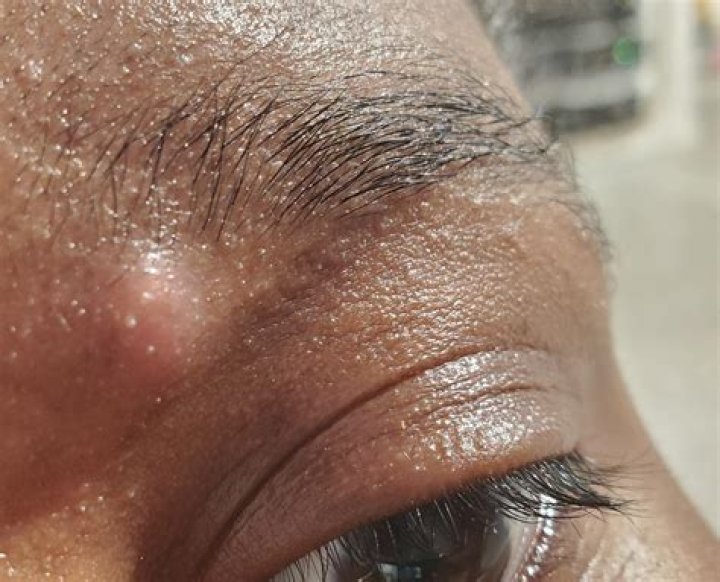
Experiencing a painful pimple on the eyebrow can be both uncomfortable and distressing. Whether it’s due to hormonal changes, poor hygiene, or other underlying factors, these types of pimples can disrupt your daily life and affect your self-confidence. Understanding why they occur and how to manage them is key to preventing future breakouts and maintaining healthy skin.
This article delves into the causes, treatments, and prevention methods for painful eyebrow pimples. By the end, you'll have a comprehensive understanding of this common yet bothersome issue, empowering you to take control of your skin health.
Our focus will be on providing evidence-based information, actionable tips, and expert advice to help you address and prevent painful pimples on your eyebrows. Let’s explore this topic in detail and discover solutions that work for you.
What is a Painful Pimple on the Eyebrow?
A painful pimple on the eyebrow is essentially an inflamed or infected hair follicle located in the eyebrow area. This condition is also referred to as folliculitis when the infection affects the hair follicle. It can occur due to blocked pores, bacteria, or other irritants that cause inflammation and discomfort.
While most eyebrow pimples are harmless and temporary, some can persist and lead to complications if left untreated. Recognizing the signs early and addressing them promptly is crucial for effective management.
Common Causes of Painful Pimples on the Eyebrow
Hormonal Changes
Hormonal fluctuations, especially during puberty, menstruation, or pregnancy, can trigger the production of excess sebum, leading to clogged pores and painful pimples. This is one of the most common reasons for acne in the eyebrow area.
Poor Hygiene
Inadequate cleansing of the face or using dirty makeup brushes can introduce bacteria and dirt into the pores, causing irritation and inflammation.
Stress
Stress can increase cortisol levels in the body, which may lead to increased oil production and acne formation. Managing stress is essential for maintaining clear skin.
Makeup and Skincare Products
Using heavy or comedogenic products can clog pores and contribute to the development of painful pimples. Opting for non-comedogenic, oil-free formulations can reduce the risk of breakouts.
Symptoms of a Painful Eyebrow Pimple
A painful pimple on the eyebrow typically presents with the following symptoms:
- Redness and swelling around the affected area
- Tenderness or pain when touched
- A white or yellow pus-filled head
- Itching or irritation
These symptoms may vary depending on the severity of the pimple and the underlying cause.
Effective Treatments for Painful Pimples
Over-the-Counter Treatments
There are several over-the-counter remedies available for treating painful eyebrow pimples. Products containing benzoyl peroxide, salicylic acid, or tea tree oil can help reduce inflammation and kill bacteria.
Prescription Medications
In cases where over-the-counter treatments are ineffective, a dermatologist may prescribe stronger medications such as topical retinoids or oral antibiotics to combat severe acne.
Home Remedies for Relief
Warm Compress
Applying a warm compress to the affected area can help draw out the pus and reduce swelling. Soak a clean cloth in warm water and gently press it against the pimple for 10-15 minutes several times a day.
Tea Tree Oil
Known for its antibacterial properties, tea tree oil can be diluted with a carrier oil and applied directly to the pimple to promote healing.
Honey and Lemon Mask
A mixture of honey and lemon juice can act as a natural exfoliant and antiseptic, helping to clear the skin and prevent future breakouts.
Preventing Future Breakouts
Maintain Good Hygiene
Washing your face twice daily with a gentle cleanser and ensuring your makeup tools are clean can significantly reduce the risk of developing painful pimples.
Choose the Right Products
Selecting skincare and makeup products that are labeled non-comedogenic and oil-free can help prevent clogged pores and acne formation.
Manage Stress Levels
Engaging in stress-reducing activities such as yoga, meditation, or regular exercise can help maintain hormonal balance and improve overall skin health.
The Role of Diet in Skin Health
A balanced diet rich in fruits, vegetables, lean proteins, and whole grains can positively impact skin health. Avoiding high-glycemic foods and dairy products, which have been linked to acne, may also help in preventing breakouts.
Stress and Its Impact on Pimples
Chronic stress can exacerbate acne by increasing the production of stress hormones like cortisol, which in turn stimulates oil glands in the skin. Incorporating stress management techniques into your daily routine can improve both your mental and physical well-being.
When to See a Doctor
While most painful eyebrow pimples resolve on their own, there are instances where professional medical attention is necessary. If the pimple becomes increasingly painful, swollen, or shows signs of infection such as fever or pus drainage, it’s important to consult a healthcare provider or dermatologist.
Conclusion: Taking Control of Your Skin Health
In summary, painful pimples on the eyebrow can be managed effectively through a combination of proper hygiene, appropriate treatments, and lifestyle adjustments. By understanding the causes and implementing preventive measures, you can minimize the occurrence of these bothersome breakouts.
We encourage you to share your experiences and tips in the comments below. Additionally, explore other articles on our site for more insights into maintaining healthy skin. Remember, taking care of your skin is an investment in your overall health and well-being.
Data and references for this article were sourced from reputable organizations such as the American Academy of Dermatology (AAD) and the National Institutes of Health (NIH), ensuring the accuracy and reliability of the information provided.


