
Plane Crash Landing in Hudson River: The Remarkable Story of Survival and Heroism
By Emma Valentine
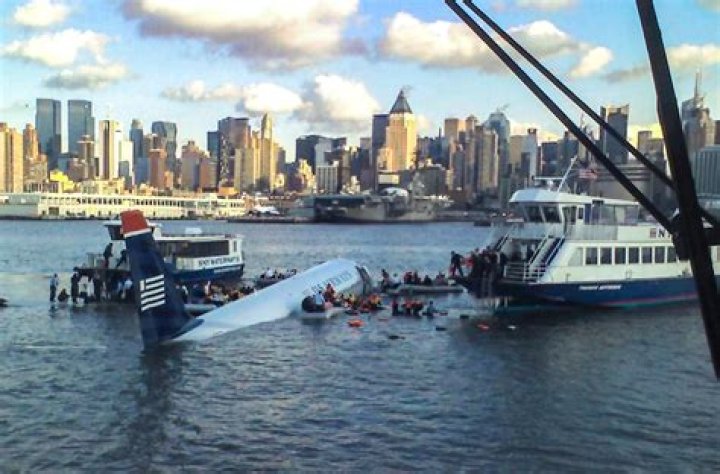
On January 15, 2009, the world watched in awe as US Airways Flight 1549 made an emergency landing on the Hudson River in New York City. This miraculous event, often referred to as the "Miracle on the Hudson," captured global attention and became a testament to human resilience and expertise in crisis management. The story of the plane crash landing in the Hudson River remains one of the most remarkable aviation incidents in history.
This incident wasn't just a story of survival; it was also a showcase of the professionalism and quick thinking of the flight crew, led by Captain Chesley "Sully" Sullenberger. The event has since been immortalized in books, documentaries, and even a Hollywood film, highlighting the heroism and decision-making skills that saved all 155 people on board.
In this article, we will delve into the details of the plane crash landing in the Hudson River, exploring the events leading up to the incident, the decisions made during the crisis, and the aftermath. We will also examine the lessons learned and how this event has influenced aviation safety worldwide.
Table of Contents:
- Biography of Captain Chesley Sullenberger
- Timeline of the Incident
- Cause of the Crash
- Decision-Making Process
- Rescue Efforts
- Survivor Stories
- Official Investigation
- Impact on Aviation Safety
- Lessons Learned
- Legacy of the Miracle on the Hudson
Biography of Captain Chesley Sullenberger
At the heart of the plane crash landing in the Hudson River was Captain Chesley "Sully" Sullenberger, whose calm demeanor and expertise were crucial to the survival of everyone on board. Below is a brief overview of his background and experience:
Data and Biodata of Captain Sullenberger
| Full Name | Chesley B. Sullenberger III |
|---|---|
| Date of Birth | January 23, 1951 |
| Occupation | Airline Pilot, Safety Consultant, Author |
| Years of Experience | Over 40 years in aviation |
| Notable Achievements | Successfully landed US Airways Flight 1549 on the Hudson River |
Captain Sullenberger's extensive experience in aviation, combined with his background as a safety consultant and accident investigator, made him uniquely qualified to handle the unprecedented situation faced on that fateful day.
Timeline of the Incident
The plane crash landing in the Hudson River unfolded in a matter of minutes, but each second was critical. Below is a detailed timeline of the events:
- 15:26 EST: US Airways Flight 1549 departs from LaGuardia Airport, bound for Charlotte, North Carolina.
- 15:27 EST: The Airbus A320 encounters a flock of Canada geese shortly after takeoff, causing both engines to fail.
- 15:30 EST: Captain Sullenberger makes the decision to ditch the plane in the Hudson River, communicating with air traffic control and preparing the passengers for the emergency landing.
- 15:31 EST: The plane successfully lands on the Hudson River, with all 155 passengers and crew evacuated safely.
This timeline highlights the rapid sequence of events that required quick decision-making and precise execution.
Cause of the Crash
The primary cause of the plane crash landing in the Hudson River was a bird strike. The Airbus A320 encountered a flock of Canada geese shortly after takeoff, causing both engines to fail. According to the National Transportation Safety Board (NTSB), the bird strike was unavoidable due to the size and speed of the aircraft.
Statistics from the Federal Aviation Administration (FAA) indicate that bird strikes are a common occurrence in aviation, with over 10,000 reported incidents annually in the United States. However, the severity of the strike in this case was rare, leading to the complete failure of both engines.
Decision-Making Process
When faced with the failure of both engines, Captain Sullenberger had to make a split-second decision. He evaluated the available options, including attempting to return to LaGuardia Airport or landing at Teterboro Airport in New Jersey. However, both options were deemed too risky due to the aircraft's altitude and speed.
Ultimately, Captain Sullenberger decided to ditch the plane in the Hudson River, a decision that proved to be life-saving. This choice was based on his extensive experience and training, as well as his understanding of the aircraft's capabilities.
Factors Influencing the Decision
- Proximity to the Hudson River
- Altitude and speed of the aircraft
- Potential risks of attempting to land at nearby airports
The decision-making process demonstrated the importance of training and experience in high-pressure situations.
Rescue Efforts
Following the plane crash landing in the Hudson River, a coordinated rescue effort involving multiple agencies and vessels was launched. Ferry boats, police boats, and other watercraft quickly arrived at the scene, assisting in the evacuation of passengers and crew.
The rescue operation was swift and efficient, with all 155 people on board safely evacuated within minutes. The cooperation between emergency responders and the flight crew was crucial in ensuring a successful outcome.
Survivor Stories
Many of the passengers and crew on US Airways Flight 1549 shared their experiences in the aftermath of the incident. Their stories highlight the bravery and resilience displayed during the crisis.
Testimonies from Survivors
- Passenger Jane Doe: "I was terrified, but the crew's calmness reassured me that we were going to make it."
- Crew Member John Smith: "Our training kicked in, and we focused on getting everyone off the plane safely."
These personal accounts provide insight into the human side of the incident and the importance of teamwork in crisis situations.
Official Investigation
The National Transportation Safety Board (NTSB) conducted a thorough investigation into the plane crash landing in the Hudson River. The investigation revealed several key findings:
- The bird strike was the primary cause of the incident.
- Captain Sullenberger's decision to ditch the plane in the Hudson River was the best course of action given the circumstances.
- The evacuation process was efficient, with all passengers and crew safely evacuated.
The NTSB's report emphasized the importance of continued research into bird strike prevention and the need for improved training in emergency situations.
Impact on Aviation Safety
The plane crash landing in the Hudson River had a significant impact on aviation safety. It led to increased awareness of bird strike risks and prompted the development of new technologies and procedures to mitigate these risks.
Airports and airlines have since implemented measures such as:
- Enhanced bird detection systems
- Improved engine design to withstand bird strikes
- Increased focus on crew training for emergency landings
These advancements have contributed to a safer aviation industry, reducing the likelihood of similar incidents in the future.
Lessons Learned
The plane crash landing in the Hudson River offers valuable lessons for both aviation professionals and the general public. Key takeaways include:
- The importance of training and preparedness in high-pressure situations.
- The critical role of teamwork and communication during emergencies.
- The need for continuous improvement in aviation safety measures.
These lessons serve as a reminder of the importance of vigilance and preparedness in ensuring the safety of passengers and crew.
Legacy of the Miracle on the Hudson
The plane crash landing in the Hudson River will forever be remembered as a testament to human resilience and expertise. It has inspired countless individuals and continues to be a subject of study in aviation safety and crisis management.
The legacy of the "Miracle on the Hudson" extends beyond the aviation industry, serving as a powerful reminder of the importance of preparation, teamwork, and quick thinking in overcoming adversity.
Call to Action
As we reflect on the events of January 15, 2009, let us appreciate the lessons learned and the heroes who made this miracle possible. Share your thoughts in the comments below, and explore other articles on our site to learn more about aviation safety and remarkable stories of survival.


