
Preventing Aquatic Biomes Degradation: A Comprehensive Guide
By Andrew Thornton
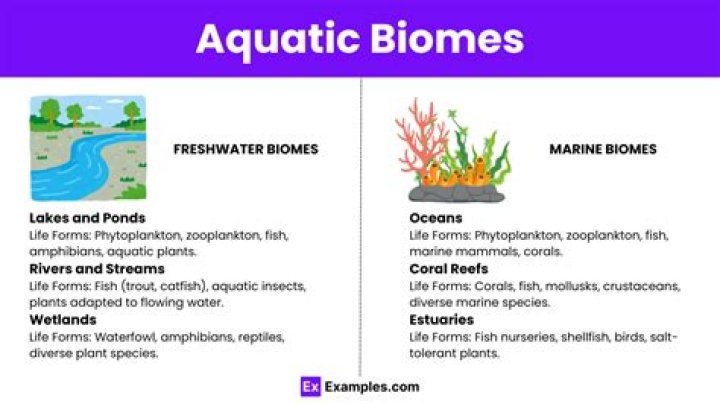
Aquatic biomes are some of the most vital ecosystems on our planet, yet they face severe threats from human activities and environmental changes. The degradation of these ecosystems has profound consequences not only for marine life but also for human populations that depend on them. Understanding how to prevent aquatic biome degradation is essential to preserving the health of our planet.
Aquatic biomes encompass a wide range of environments, from vast oceans and coral reefs to freshwater rivers and wetlands. These ecosystems support an incredible diversity of life and provide essential services such as oxygen production, climate regulation, and food supply. However, the increasing pressure from pollution, overfishing, habitat destruction, and climate change threatens their survival.
This article will delve into the critical steps we can take to prevent aquatic biome degradation. We will explore the causes of degradation, the importance of preserving these ecosystems, and practical solutions that individuals, communities, and governments can implement. By the end of this article, you will have a comprehensive understanding of how to protect and restore aquatic biomes for future generations.
Causes of Aquatic Biome Degradation
Human Activities and Environmental Pressures
Aquatic biomes are under siege from various human activities and environmental pressures. Pollution, overfishing, habitat destruction, and climate change are the primary culprits behind the degradation of these ecosystems. Industrial discharge, agricultural runoff, and plastic waste contribute significantly to water pollution, which harms marine life and disrupts ecological balance.
Overfishing has led to the depletion of fish populations, while habitat destruction, such as deforestation near rivers and wetlands, has resulted in the loss of critical breeding grounds for aquatic species. Additionally, climate change causes ocean acidification and rising sea temperatures, which threaten coral reefs and other sensitive ecosystems.
The Importance of Aquatic Biomes
Essential Ecosystem Services
Aquatic biomes are not only home to a vast array of species but also provide essential ecosystem services. They produce over 50% of the world's oxygen through phytoplankton and other aquatic plants. These ecosystems also play a crucial role in regulating the Earth's climate by absorbing carbon dioxide and storing it in the ocean.
Moreover, aquatic biomes are a vital source of food for millions of people worldwide. Fish and other seafood are staple foods in many cultures and provide essential nutrients like protein and omega-3 fatty acids. Preserving these ecosystems is crucial for maintaining global food security and supporting livelihoods.
Preventing Water Pollution
Managing Industrial and Agricultural Waste
Water pollution is one of the most significant threats to aquatic biomes. Industrial discharge, agricultural runoff, and plastic waste are major contributors to this problem. To prevent water pollution, industries must adopt cleaner production methods and treat their waste before releasing it into water bodies.
Agricultural practices can also be modified to reduce pollution. Farmers can implement techniques such as crop rotation, cover cropping, and precision farming to minimize the use of fertilizers and pesticides. These practices help prevent nutrient runoff into rivers and lakes, which can lead to harmful algal blooms and dead zones.
- Implement wastewater treatment facilities
- Encourage sustainable agricultural practices
- Reduce plastic waste through recycling and reuse
Addressing Overfishing
Sustainable Fishing Practices
Overfishing is a major threat to marine biodiversity and the sustainability of fish populations. To address this issue, sustainable fishing practices must be implemented. This includes setting catch limits, establishing marine protected areas, and promoting responsible fishing techniques.
Consumers also play a crucial role in addressing overfishing by choosing sustainably sourced seafood. Certifications such as the Marine Stewardship Council (MSC) label help consumers identify products that come from well-managed fisheries.
Protecting Aquatic Habitats
Conserving Wetlands and Mangroves
Protecting aquatic habitats is essential for preserving biodiversity and maintaining ecosystem services. Wetlands and mangroves are critical habitats that provide breeding grounds for fish, filter water, and protect coastlines from storms and erosion.
Governments and conservation organizations must work together to conserve these habitats through legislation, restoration projects, and community engagement. Educating local communities about the importance of wetlands and mangroves can foster a sense of stewardship and encourage their protection.
Mitigating Climate Change Effects
Reducing Carbon Emissions
Climate change poses a significant threat to aquatic biomes, particularly coral reefs and polar ecosystems. Rising sea temperatures and ocean acidification are causing widespread coral bleaching and altering the habitats of many marine species.
To mitigate these effects, global efforts must focus on reducing carbon emissions. Transitioning to renewable energy sources, improving energy efficiency, and promoting sustainable transportation are key strategies in combating climate change. Individuals can also contribute by reducing their carbon footprint through lifestyle changes such as eating less meat, using public transportation, and supporting eco-friendly policies.
Practical Solutions for Preventing Degradation
Community-Based Conservation Efforts
Implementing practical solutions for preventing aquatic biome degradation requires a collaborative effort from all stakeholders. Community-based conservation initiatives have proven effective in protecting local ecosystems while empowering communities to manage their natural resources sustainably.
These initiatives often involve creating marine protected areas, implementing sustainable fishing practices, and educating local populations about the importance of conservation. By involving communities in decision-making processes, these efforts can ensure that conservation strategies are culturally appropriate and economically viable.
The Role of Technology in Preservation
Innovative Tools for Monitoring and Management
Technology plays a vital role in preserving aquatic biomes by providing tools for monitoring and managing these ecosystems. Remote sensing, satellite imagery, and underwater drones enable scientists to study marine environments and detect changes over time.
Advanced data analytics and artificial intelligence can help predict the impact of climate change on aquatic biomes and identify areas that require urgent conservation efforts. These technologies can also support the enforcement of marine protected areas and the regulation of fishing activities.
Community Involvement in Conservation
Empowering Local Communities
Community involvement is crucial for the success of conservation efforts. Local populations often have traditional knowledge and practices that can complement scientific approaches to preserving aquatic biomes. By involving communities in conservation initiatives, we can leverage their expertise and ensure that conservation strategies are culturally relevant and sustainable.
Education and awareness campaigns can also play a significant role in engaging communities in conservation efforts. By highlighting the benefits of preserving aquatic biomes, such as improved livelihoods and food security, we can inspire individuals to take action and protect these vital ecosystems.
Government Policies and Regulations
Enforcing Environmental Laws
Government policies and regulations are essential for preventing aquatic biome degradation. These measures can include setting limits on pollution, establishing marine protected areas, and enforcing fishing regulations. Effective enforcement of these laws is critical to ensuring compliance and protecting these ecosystems.
International cooperation is also necessary to address global issues such as climate change and illegal fishing. Agreements such as the Paris Agreement and the United Nations Convention on the Law of the Sea provide frameworks for countries to work together in protecting aquatic biomes.
Kesimpulan
In conclusion, preventing aquatic biome degradation requires a multifaceted approach that addresses the root causes of this problem. By reducing pollution, addressing overfishing, protecting habitats, and mitigating climate change effects, we can preserve these vital ecosystems for future generations.
We encourage readers to take action by supporting sustainable practices, engaging in conservation efforts, and advocating for stronger environmental policies. Your involvement can make a significant difference in protecting aquatic biomes and ensuring the health of our planet. Share this article with others to spread awareness and inspire action.
For more information on this topic, explore related articles and resources on our website. Together, we can make a positive impact on the environment and create a sustainable future for all.
Data sources: UNEP, National Geographic, NOAA.


