
Raspberry Pi Ubuntu VNC: A Comprehensive Guide to Setting Up Your Remote Desktop
By Sophia Edwards
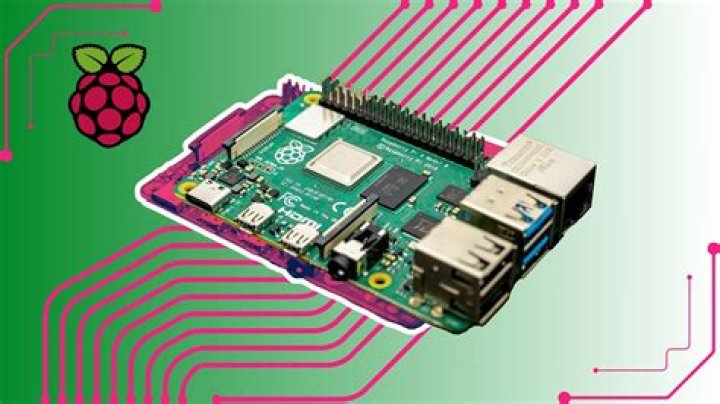
Are you looking to set up a remote desktop on your Raspberry Pi using Ubuntu and VNC? This guide is designed to walk you through every step of the process. From understanding the basics of Raspberry Pi and Ubuntu to configuring VNC for seamless remote access, we’ll cover everything you need to know. Whether you’re a beginner or an advanced user, this article will provide valuable insights and practical steps to help you achieve your goal.
Raspberry Pi has become a popular choice for hobbyists, developers, and tech enthusiasts due to its versatility and affordability. Pairing it with Ubuntu, one of the most robust and user-friendly Linux distributions, opens up endless possibilities. Adding VNC (Virtual Network Computing) into the mix allows you to access your Raspberry Pi remotely, giving you the flexibility to work from anywhere.
In this article, we’ll explore the benefits of using Raspberry Pi with Ubuntu and VNC, provide step-by-step instructions for setup, and highlight common issues and troubleshooting tips. By the end of this guide, you’ll have a comprehensive understanding of how to configure and manage your Raspberry Pi remotely using VNC.
Introduction to Raspberry Pi
The Raspberry Pi is a compact, affordable single-board computer developed by the Raspberry Pi Foundation. It was originally designed to promote programming and computer science education in schools but has since gained popularity among hobbyists and professionals alike. The Raspberry Pi is capable of performing a wide range of tasks, from running media centers to hosting web servers.
Key Features of Raspberry Pi
- Compact size and low power consumption
- Supports multiple operating systems, including Linux distributions like Ubuntu
- Equipped with GPIO pins for hardware interfacing
- Highly customizable and versatile
With its small form factor and powerful capabilities, the Raspberry Pi is an ideal platform for experimenting with various technologies, including remote desktop solutions like VNC.
Ubuntu on Raspberry Pi
Ubuntu, a popular Linux distribution known for its stability and ease of use, can be installed on the Raspberry Pi. Running Ubuntu on Raspberry Pi allows users to take advantage of its vast software repository and community support. This combination makes it an excellent choice for setting up a remote desktop environment using VNC.
Advantages of Using Ubuntu on Raspberry Pi
- Access to a wide range of applications and tools
- Regular updates and security patches
- Strong community support and extensive documentation
- Compatibility with various hardware peripherals
Installing Ubuntu on Raspberry Pi is straightforward and can be done using the Raspberry Pi Imager tool. Once installed, you can configure VNC to access your Raspberry Pi remotely.
What is VNC?
VNC (Virtual Network Computing) is a graphical desktop sharing system that allows you to remotely control another computer. It transmits the keyboard and mouse events from one computer to another, enabling users to interact with the remote machine as if they were sitting in front of it. VNC is widely used for remote administration, troubleshooting, and accessing files and applications from a distance.
How VNC Works
VNC works by creating a server-client relationship between two machines. The server is the machine being accessed remotely, while the client is the machine used to connect to the server. When you connect to a VNC server, you receive a live feed of the server’s desktop, allowing you to control it remotely.
VNC is platform-independent, meaning you can connect to a VNC server running on any operating system from a client running on another. This flexibility makes VNC an ideal solution for remote access across different devices and platforms.
Benefits of Using Raspberry Pi Ubuntu VNC
Using Raspberry Pi with Ubuntu and VNC offers several advantages, making it a powerful combination for remote computing:
- Cost-Effective: Raspberry Pi is affordable, making it an economical solution for setting up a remote desktop.
- Energy Efficient: The low power consumption of Raspberry Pi ensures minimal energy usage, even when running 24/7.
- Flexibility: With Ubuntu, you have access to a wide range of applications and tools, enhancing the functionality of your Raspberry Pi.
- Remote Access: VNC allows you to access your Raspberry Pi from anywhere, providing convenience and flexibility.
These benefits make Raspberry Pi Ubuntu VNC an attractive option for both personal and professional use.
Step-by-Step Guide to Set Up VNC on Raspberry Pi
Step 1: Install Ubuntu on Raspberry Pi
Before setting up VNC, you need to install Ubuntu on your Raspberry Pi. Follow these steps:
- Download the latest version of Ubuntu Server for Raspberry Pi from the official website.
- Use the Raspberry Pi Imager tool to write the Ubuntu image to an SD card.
- Insert the SD card into your Raspberry Pi and power it on.
- Follow the on-screen instructions to complete the installation process.
Step 2: Install VNC Server
Once Ubuntu is installed, you can proceed to install the VNC server:
- Open a terminal window on your Raspberry Pi.
- Run the following command to update your package list:
sudo apt update. - Install the VNC server using the command:
sudo apt install realvnc-vnc-server.
Step 3: Configure VNC Server
After installing the VNC server, you need to configure it:
- Run the command
vncserverto start the VNC server. - Set a password for VNC access when prompted.
- Choose the display resolution and color depth according to your preference.
Step 4: Connect to VNC Server
Finally, connect to your Raspberry Pi using a VNC client:
- Download and install a VNC client on your computer.
- Enter the IP address of your Raspberry Pi in the VNC client.
- Log in using the password you set earlier.
With these steps, you should now have a fully functional Raspberry Pi Ubuntu VNC setup.
Troubleshooting Common Issues
While setting up VNC on Raspberry Pi is generally straightforward, you may encounter some issues. Here are some common problems and their solutions:
- Connection Refused: Ensure that the VNC server is running and that the IP address and port number are correct.
- Authentication Failed: Double-check the password and make sure it matches the one set during VNC server configuration.
- Slow Performance: Optimize VNC settings by reducing the display resolution and color depth.
By addressing these issues, you can ensure a smooth VNC experience on your Raspberry Pi.
Optimizing VNC Performance
To enhance the performance of VNC on your Raspberry Pi, consider the following tips:
- Use a wired Ethernet connection instead of Wi-Fi for better stability and speed.
- Adjust the VNC settings to use a lower resolution and fewer colors when bandwidth is limited.
- Enable compression to reduce the amount of data transmitted between the server and client.
These optimizations can significantly improve the responsiveness and reliability of your VNC connection.
Security Considerations
When using VNC for remote access, it’s essential to prioritize security to protect your Raspberry Pi from unauthorized access:
- Use strong, unique passwords for VNC authentication.
- Enable encryption to secure the data transmitted between the server and client.
- Limit access to trusted IP addresses using firewall rules.
By implementing these security measures, you can safeguard your Raspberry Pi and ensure a secure VNC connection.
Alternatives to VNC
While VNC is a popular choice for remote desktop access, there are other alternatives you may want to consider:
- SSH (Secure Shell): Ideal for command-line access to your Raspberry Pi.
- TeamViewer: A user-friendly remote access solution with additional features like file transfer.
- NoMachine: Offers high-performance remote desktop capabilities with low latency.
Each of these alternatives has its own strengths and weaknesses, so choose the one that best fits your needs.
Conclusion and Next Steps
In this comprehensive guide, we’ve explored the world of Raspberry Pi Ubuntu VNC, covering everything from setup to optimization and security. By following the steps outlined in this article, you can successfully configure and manage your Raspberry Pi remotely using VNC.
As a next step, consider exploring advanced configurations and customizations to further enhance your Raspberry Pi setup. Additionally, don’t forget to stay updated with the latest developments in Raspberry Pi, Ubuntu, and VNC to make the most of your remote computing experience.
We invite you to share your thoughts and experiences in the comments section below. Feel free to ask questions or suggest topics for future articles. Together, let’s continue to explore the endless possibilities of Raspberry Pi and remote computing!
Data sources: Raspberry Pi Foundation, Ubuntu, RealVNC.


