
Sandalwood: Unlocking the Secrets of Nature's Most Prized Aromatic
By William Brown
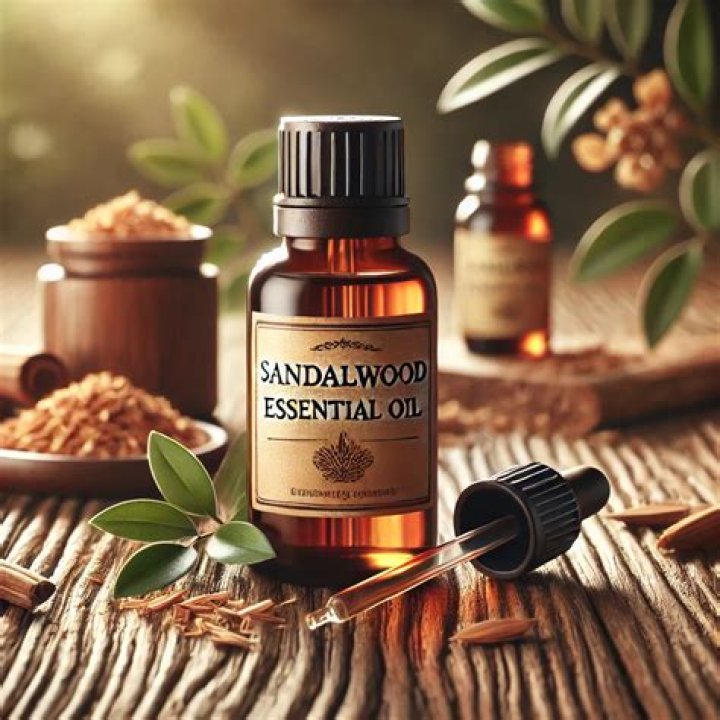
Sandalwood has been treasured for centuries across cultures for its unique fragrance and numerous benefits. This precious wood, derived primarily from the Santalum album tree, holds a special place in perfumery, traditional medicine, and spiritual practices. As we delve into the world of sandalwood, you'll discover why this natural resource continues to captivate people worldwide.
The allure of sandalwood lies not only in its rich aroma but also in its versatility and historical significance. From ancient Indian temples to modern-day skincare products, sandalwood remains a timeless ingredient that bridges tradition and innovation. In this comprehensive guide, we'll explore everything you need to know about this extraordinary material.
As we journey through the history, cultivation, uses, and benefits of sandalwood, you'll gain a deeper appreciation for this natural treasure. Whether you're a fragrance enthusiast, health-conscious individual, or simply curious about botanical wonders, this article promises valuable insights into the world of sandalwood.
The Rich History of Sandalwood
Sandalwood's journey through time is as fascinating as its aroma. Archaeological evidence suggests that sandalwood has been used for over 4,000 years, with its origins tracing back to India and Southeast Asia. The wood's enduring fragrance and spiritual significance made it an essential component in religious ceremonies and royal courts.
Historical Uses and Significance
Throughout history, sandalwood was considered a luxury item, often reserved for royalty and religious figures. Its use extended beyond perfumery to include medicinal applications and architectural purposes. The wood's ability to retain its scent for centuries earned it a reputation as a timeless treasure.
- Used in ancient Indian temples for carving and construction
- Featured prominently in Ayurvedic medicine for its therapeutic properties
- Employed in traditional Chinese medicine for its cooling effects
Cultivation and Harvesting of Sandalwood
Sandalwood cultivation requires specific conditions and patience, as the trees need at least 15-20 years to develop the heartwood that contains the prized oil. The process involves careful selection of planting sites, proper care, and sustainable harvesting practices.
Ideal Growing Conditions
Santalum album thrives in tropical and subtropical climates, particularly in regions with well-drained soil and adequate rainfall. The tree forms a symbiotic relationship with certain host plants, which enhances its growth and oil production.
- Optimal temperature range: 20°C to 35°C
- Annual rainfall requirement: 600-1,000 mm
- Suitable soil types: Sandy loam with good drainage
Types of Sandalwood
While Santalum album remains the most famous variety, several other species of sandalwood exist, each with distinct characteristics and applications.
Common Varieties
- Indian Sandalwood (Santalum album): Known for its high-quality oil and intense fragrance
- Australian Sandalwood (Santalum spicatum): Offers a slightly different aroma profile and is more sustainable
- Tahitian Sandalwood (Santalum yasi): Grown in the Pacific islands, prized for its unique scent
Aromatic Properties of Sandalwood
Sandalwood's scent is often described as warm, woody, and creamy, with a smooth and lingering quality that makes it ideal for perfumery. The essential oil extracted from the wood contains santalol, which contributes to its distinctive aroma.
Perfumery Applications
In the fragrance industry, sandalwood serves as a base note that enhances other scents while providing longevity to the composition. Its versatility allows it to blend seamlessly with floral, citrus, and spicy notes.
- Used in high-end perfumes and colognes
- Serves as a fixative to prolong fragrance duration
- Offers a calming effect when used in aromatherapy
Uses of Sandalwood
Beyond its aromatic applications, sandalwood finds use in various industries, from cosmetics to construction.
Industrial Applications
- Skincare products: moisturizers, anti-aging creams, and toners
- Woodworking: fine furniture, carvings, and musical instruments
- Medicinal preparations: herbal remedies and supplements
Health Benefits of Sandalwood
Sandalwood's therapeutic properties have been recognized for centuries, with modern science validating many of these traditional uses.
Scientifically Proven Benefits
- Anti-inflammatory effects: reduces swelling and irritation
- Antimicrobial properties: combats bacteria and fungi
- Stress relief: promotes relaxation and mental clarity
Research published in the Journal of Ethnopharmacology highlights sandalwood's potential in treating skin conditions and supporting overall well-being.
Sustainability and Conservation
Due to its high demand, sandalwood faces conservation challenges that require sustainable practices to ensure its survival for future generations.
Conservation Efforts
- Reforestation programs in India and Australia
- Regulated harvesting practices
- Development of alternative species
Organizations like the World Wildlife Fund work closely with local communities to promote sustainable sandalwood cultivation.
Global Market Trends
The sandalwood market continues to grow, driven by increasing demand in the fragrance, cosmetic, and pharmaceutical industries.
Market Statistics
According to a report by MarketsandMarkets, the global sandalwood market is projected to reach USD 2.2 billion by 2027, growing at a CAGR of 6.5%. Key players in the industry include Drom, Firmenich, and Robertet.
Spiritual Significance of Sandalwood
Sandalwood holds deep spiritual meaning across various cultures, symbolizing purity, devotion, and divine connection.
Spiritual Practices
- Used in Hindu rituals for consecration and purification
- Employed in Buddhist meditation for focus and clarity
- Incorporated in Islamic traditions for its calming properties
Conclusion and Future Prospects
Sandalwood's enduring appeal stems from its multifaceted nature, offering beauty, health benefits, and spiritual significance. As we continue to explore its potential, sustainable practices will play a crucial role in preserving this precious resource for generations to come.
We invite you to share your thoughts and experiences with sandalwood in the comments section below. For more insights into natural resources and their applications, explore our other articles on essential oils and botanical treasures. Together, let's celebrate the wonders of nature and its gifts to humanity.


