
Sicilian Bull Torture: A Dark Chapter in History
By John Peck
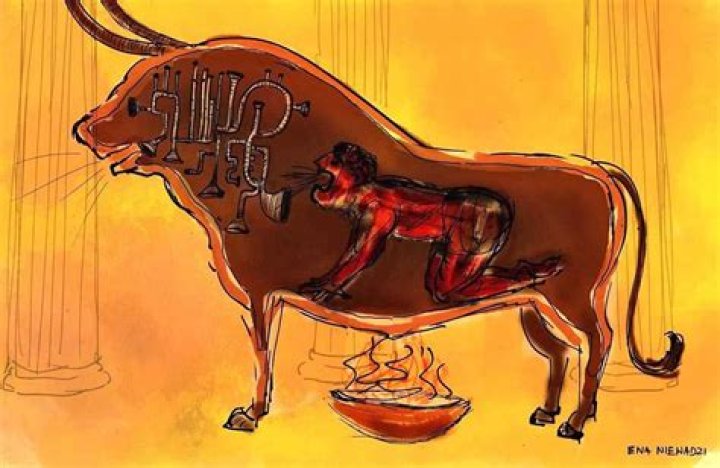
The term "Sicilian Bull Torture" evokes a chilling image of one of the most brutal instruments of punishment in ancient history. This dark chapter in human history sheds light on the cruel methods used by tyrants to instill fear in their subjects. As we delve into this topic, we will explore the origins, mechanics, and the cultural impact of this infamous device.
Throughout history, humanity has witnessed both its brightest achievements and darkest moments. Among these dark moments, the Sicilian Bull stands out as a symbol of cruelty and oppression. It serves as a reminder of the lengths to which rulers went to maintain control over their populations.
This article aims to provide an in-depth analysis of the Sicilian Bull Torture, exploring its historical context, the people involved, and its lasting legacy. By understanding the past, we can better appreciate the progress humanity has made toward more humane societies.
Origins of the Sicilian Bull Torture
The origins of the Sicilian Bull Torture can be traced back to ancient Greece, specifically to the island of Sicily during the 6th century BCE. This device was created during the reign of Phalaris, the tyrant of Akragas (modern-day Agrigento). The bull was designed by a metalsmith named Perilaus, who sought to impress Phalaris with his ingenuity.
Historical Context
During this period, Sicily was a hub of cultural and technological advancements. However, it was also a time of political instability and ruthless governance. Tyrants like Phalaris ruled with an iron fist, using fear as a tool to maintain control over their subjects. The Sicilian Bull Torture became one of the most infamous symbols of this oppressive regime.
According to historical accounts, the bull was first introduced as a means of punishing criminals and dissidents. Its design was both a testament to human ingenuity and a reflection of the darkest aspects of human nature.
Design and Mechanics
The Sicilian Bull was a hollow bronze statue shaped like a bull. Its intricate design allowed it to serve as both a musical instrument and a device of torture. Victims were placed inside the bull, and as they were burned alive, their screams were amplified through tubes, creating a sound resembling the bellowing of a bull.
How It Worked
- Victims were locked inside the bull through an opening in its side.
- A fire was lit beneath the bull, heating the metal and causing excruciating pain.
- The sound of the victim's screams was distorted by the bull's structure, creating a haunting effect.
This design was not only a means of punishment but also a form of psychological warfare, instilling fear in the population and deterring rebellion.
Phalaris: The Mastermind Behind the Sicilian Bull
Phalaris, the tyrant of Akragas, is often credited with popularizing the use of the Sicilian Bull Torture. His reign was marked by cruelty and oppression, and the bull became a symbol of his power. However, historical records suggest that Phalaris himself may have fallen victim to the very device he used to terrorize others.
Biography of Phalaris
| Full Name | Phalaris |
|---|---|
| Reign | 570–554 BCE |
| Place of Rule | Akragas, Sicily |
| Notable Achievements | Expansion of Akragas, construction of public works |
| Legacy | Symbol of tyranny and cruelty |
How the Sicilian Bull Was Used
The Sicilian Bull Torture was primarily used to punish political dissidents and criminals. Its use was not limited to physical punishment but also served as a psychological tool to instill fear in the population. Historical accounts suggest that the bull was used sparingly but with great effect, ensuring compliance and obedience.
Victims of the Sicilian Bull
While historical records are limited, it is believed that the bull was used on a variety of individuals, including:
- Political opponents of Phalaris
- Criminals accused of serious offenses
- Foreign prisoners of war
The use of the bull was not only a form of punishment but also a spectacle, designed to demonstrate the power of the ruling class.
Symbolism and Cultural Impact
The Sicilian Bull Torture has become a powerful symbol of human cruelty and oppression. Its design and use have been the subject of numerous artistic and literary works, serving as a reminder of the darker aspects of human history.
Artistic Depictions
Throughout history, the Sicilian Bull has been depicted in various forms of art, including paintings, sculptures, and literature. These depictions often highlight the brutality of the device while also exploring its cultural significance.
For example, the bull has been featured in works by famous artists such as Hieronymus Bosch and Francisco Goya, who used it to comment on the nature of power and authority.
Ethical Implications and Modern Perspectives
From a modern perspective, the use of the Sicilian Bull Torture raises important ethical questions about the nature of power and authority. While such devices are no longer used, the legacy of torture continues to shape our understanding of human rights and justice.
Human Rights and Torture
Today, international laws and conventions prohibit the use of torture under any circumstances. The United Nations Convention Against Torture (UNCAT) is one of the most significant agreements aimed at eliminating torture worldwide. These laws reflect a global commitment to protecting human dignity and preventing the kinds of atrocities witnessed in ancient times.
Alternatives to Torture in History
Throughout history, societies have sought alternative methods of punishment that are less cruel and inhumane. These methods have included fines, community service, and imprisonment. While these alternatives are not without flaws, they represent a shift toward more humane forms of justice.
Examples of Alternative Punishments
- Restorative justice practices
- Community-based rehabilitation programs
- Reformative prison systems
By exploring these alternatives, we can gain a better understanding of how societies have evolved in their approach to justice and punishment.
Legal Frameworks Against Torture Today
In the modern era, legal frameworks have been established to prevent the use of torture and other cruel, inhuman, or degrading treatment. These frameworks are enshrined in international law and are supported by various organizations dedicated to promoting human rights.
Key Legal Instruments
- United Nations Convention Against Torture (UNCAT)
- Geneva Conventions
- International Covenant on Civil and Political Rights (ICCPR)
These instruments provide a legal basis for holding individuals and governments accountable for acts of torture, ensuring that such atrocities are not repeated.
Modern Depictions in Media
The Sicilian Bull Torture continues to capture the imagination of modern audiences through its depiction in films, books, and television shows. These depictions often serve as a commentary on the nature of power and the consequences of unchecked authority.
Popular Media References
Some notable examples include:
- The movie "300: Rise of an Empire," which features a scene inspired by the Sicilian Bull.
- Historical novels that explore the life and times of Phalaris and his reign.
- Documentaries that examine the cultural impact of the Sicilian Bull Torture.
These depictions help to keep the memory of this dark chapter alive, reminding us of the importance of justice and human rights.
Conclusion: Learning from History
In conclusion, the Sicilian Bull Torture represents one of the darkest chapters in human history. Its origins, design, and cultural impact serve as a powerful reminder of the lengths to which rulers have gone to maintain control over their subjects. By studying this device and its legacy, we can better understand the progress humanity has made toward more humane societies.
We invite you to reflect on the lessons of history and consider how they can inform our actions today. Share your thoughts in the comments below, and explore other articles on our site to learn more about the fascinating and often complex history of human civilization.


