
Standard Wine Bottle Measurements: A Comprehensive Guide for Wine Enthusiasts
By Michael King
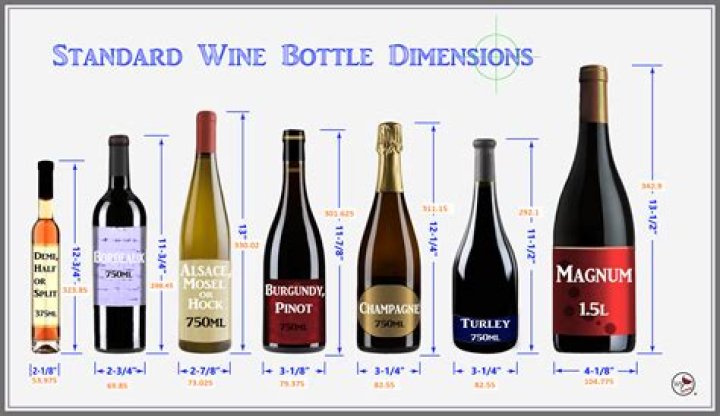
Wine has been a beloved beverage for centuries, and understanding standard wine bottle measurements is essential for both casual drinkers and connoisseurs alike. Whether you're planning a dinner party, organizing a wine tasting event, or simply curious about the different sizes available, knowing the dimensions and capacities of wine bottles can elevate your wine experience. This guide will delve into everything you need to know about standard wine bottle measurements, ensuring you're well-prepared for any occasion.
Wine bottles come in various shapes and sizes, each with its own unique characteristics. The standard wine bottle measurements vary depending on the type of bottle, and understanding these variations can help you make informed decisions when purchasing or serving wine. From the classic 750ml bottle to the majestic Nebuchadnezzar, there's a bottle size to suit every need and preference.
As we explore the world of wine bottle measurements, we'll uncover the history behind these sizes, the science of wine preservation, and the practical applications of each bottle type. Whether you're a beginner or an experienced wine enthusiast, this guide will provide valuable insights into the fascinating world of wine bottle measurements.
The History of Standard Wine Bottle Measurements
The history of wine bottle measurements dates back to ancient times, when wine was stored in amphorae and other large containers. The transition to glass bottles began in the 17th century, and by the 19th century, the 750ml bottle had become the standard size for wine packaging. This size was chosen because it was easy to produce and transport, and it provided an ideal amount of wine for a small gathering or a single meal.
Over time, various regions developed their own unique bottle shapes and sizes, influenced by local traditions and winemaking practices. For example, the Bordeaux bottle, with its straight sides and high shoulders, was designed to trap sediment during decanting, while the Burgundy bottle, with its gently sloping shoulders, was crafted to accommodate wines that were less prone to sediment.
Evolution of Bottle Sizes
As demand for wine increased, so did the need for larger and smaller bottle sizes. Larger bottles, such as the Magnum and Jeroboam, were developed for special occasions and large gatherings, while smaller bottles, like the Split and Piccolo, were created for individual servings or travel convenience.
Types of Wine Bottles and Their Measurements
There are numerous types of wine bottles, each with its own distinct measurements. Understanding these variations can help you choose the right bottle for your needs. Below is a comprehensive list of the most common wine bottle types and their corresponding measurements:
- Split: 187ml (1/4 of a standard bottle)
- Half Bottle: 375ml (1/2 of a standard bottle)
- Standard Bottle: 750ml (the most common size)
- Magnum: 1.5L (equivalent to two standard bottles)
- Jeroboam: 3L (equivalent to four standard bottles)
- Rehoboam: 4.5L (equivalent to six standard bottles)
- Methuselah: 6L (equivalent to eight standard bottles)
- Salmanazar: 9L (equivalent to twelve standard bottles)
- Balthazar: 12L (equivalent to sixteen standard bottles)
- Nebuchadnezzar: 15L (equivalent to twenty standard bottles)
The Standard Wine Bottle: Dimensions and Capacity
The standard wine bottle, measuring 750ml, is the most widely used size in the wine industry. Its dimensions typically range from 30-35cm in height and 7-10cm in diameter, depending on the bottle's shape. This size is considered ideal for serving four to six glasses of wine, making it perfect for small gatherings or a single meal.
Why the 750ml Bottle Became the Standard
The 750ml bottle became the standard due to its practicality and ease of production. It was large enough to hold a generous amount of wine but small enough to be easily transported and stored. Additionally, the 750ml size was found to be optimal for aging wine, as it provided a good balance between the wine's surface area and the amount of air in the bottle.
Larger Wine Bottles: From Magnum to Nebuchadnezzar
Larger wine bottles, such as the Magnum and Nebuchadnezzar, are often used for special occasions and large gatherings. These bottles not only hold more wine but also have unique names inspired by biblical kings and historical figures. Below is a breakdown of the most popular larger bottle sizes:
- Magnum: 1.5L, perfect for parties or wine enthusiasts who enjoy aging their wine
- Jeroboam: 3L, ideal for large gatherings or corporate events
- Methuselah: 6L, often used for premium wines and special occasions
- Nebuchadnezzar: 15L, the largest standard bottle size, suitable for grand celebrations
Smaller Wine Bottles: Perfect for Portion Control
Smaller wine bottles, such as the Split and Half Bottle, are ideal for individual servings or travel convenience. These bottles are often used by airlines, hotels, and restaurants to provide guests with a single serving of wine. Below is a list of the most common smaller bottle sizes:
- Split: 187ml, perfect for one glass of wine
- Half Bottle: 375ml, suitable for two servings of wine
Unique Shapes and Their Impact on Measurements
Wine bottles come in a variety of shapes, each with its own impact on measurements and functionality. Some of the most common bottle shapes include:
- Bordeaux: Known for its straight sides and high shoulders, this shape is ideal for trapping sediment during decanting.
- Burgundy: With gently sloping shoulders, this shape is designed for wines that are less prone to sediment.
- Champagne: Featuring a thicker glass and a wider base, this shape is built to withstand the pressure of sparkling wine.
How Bottle Shape Affects Measurements
The shape of a wine bottle can affect its measurements, particularly its height and diameter. For example, a Bordeaux bottle may be taller and narrower than a Burgundy bottle, even if both bottles have the same capacity. Understanding these variations can help you choose the right bottle for your needs.
The Science Behind Wine Bottle Sizes
The science behind wine bottle sizes is rooted in the principles of preservation and aging. Larger bottles, such as the Magnum and Nebuchadnezzar, are often preferred for aging wine because they provide a more stable environment, with less oxygen exposure and slower oxidation. This results in a longer aging potential and improved flavor development.
Smaller bottles, on the other hand, are ideal for short-term storage and consumption, as they allow for portion control and convenience. The choice of bottle size ultimately depends on the intended use and the type of wine being stored.
Practical Applications of Different Bottle Sizes
Different bottle sizes have practical applications in various settings, from casual gatherings to formal events. Below are some examples of how different bottle sizes can be used:
- Standard Bottle: Perfect for small gatherings or a single meal
- Magnum: Ideal for parties or wine enthusiasts who enjoy aging their wine
- Jeroboam: Suitable for large gatherings or corporate events
- Split: Great for individual servings or travel convenience
Choosing the Right Bottle for Your Event
When selecting a wine bottle size for your event, consider the number of guests, the type of wine, and the occasion. For example, a standard bottle may be sufficient for a small dinner party, while a Magnum or Jeroboam may be more appropriate for a large celebration.
Tips for Choosing the Right Wine Bottle Size
Choosing the right wine bottle size can enhance your wine experience and ensure that you have the perfect amount of wine for your occasion. Below are some tips for selecting the right bottle size:
- Consider the number of guests and the type of wine being served
- Think about the occasion and the atmosphere you wish to create
- Take into account the storage and transportation requirements
- Balance practicality with aesthetics and personal preference
Conclusion: Elevate Your Wine Experience
In conclusion, understanding standard wine bottle measurements is essential for anyone who enjoys wine. From the classic 750ml bottle to the majestic Nebuchadnezzar, each size has its own unique characteristics and applications. By familiarizing yourself with these measurements and their practical uses, you can elevate your wine experience and make informed decisions when purchasing or serving wine.
We encourage you to share your thoughts and experiences in the comments below. Have you tried a particular bottle size that you particularly enjoyed? Let us know! And don't forget to explore our other articles for more insights into the world of wine.


