
Steel Melting Temperature: A Comprehensive Guide to Understanding and Application
By Emma Valentine
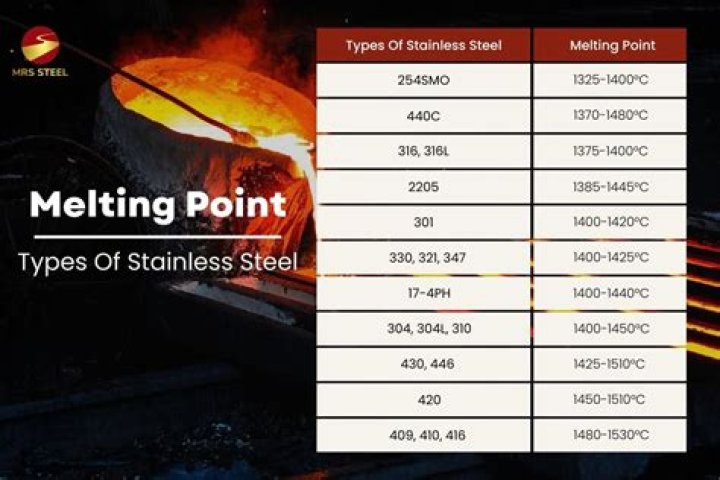
Steel is one of the most widely used materials in construction, manufacturing, and engineering. Understanding the steel melting temperature is critical for industries that rely on metallurgy and metalworking processes. Whether you're a professional engineer, student, or hobbyist, having a clear grasp of the melting point of steel and its implications is essential for successful projects.
The melting point of steel plays a pivotal role in determining how it can be processed, shaped, and utilized in various applications. This article will explore the factors influencing steel's melting point, the differences between various types of steel, and the practical considerations when working with this versatile material. By the end of this guide, you'll have a comprehensive understanding of steel melting temperature and its significance in industrial applications.
Whether you're involved in welding, casting, forging, or simply curious about the properties of steel, this article aims to provide valuable insights into the science behind steel melting temperature. Let's dive into the details and uncover the fascinating world of metallurgy and thermal properties.
Introduction to Steel Melting Temperature
Steel is an alloy primarily composed of iron and carbon, with small amounts of other elements depending on the type of steel. The melting point of steel refers to the temperature at which the material transitions from a solid to a liquid state. This critical temperature varies based on the composition of the alloy.
The average melting point of steel typically ranges between 1370°C to 1530°C (2500°F to 2786°F). However, the exact steel melting temperature depends on factors such as carbon content, alloying elements, and impurities present in the material.
Why Is Steel Melting Temperature Important?
Understanding the melting point of steel is crucial for several reasons:
- It determines the feasibility of various metalworking processes such as casting, forging, and welding.
- It affects the design and selection of equipment used in steel production and processing.
- It influences the energy requirements and cost of manufacturing steel products.
Types of Steel and Their Melting Points
Steel comes in various types, each with distinct properties and melting points. The primary categories include carbon steel, alloy steel, stainless steel, and tool steel. Below is a breakdown of the melting points for each type:
Carbon Steel
Carbon steel is classified into low, medium, and high-carbon variants. The melting point of carbon steel typically ranges from 1370°C to 1425°C (2500°F to 2600°F). The carbon content influences the melting temperature, with higher carbon levels generally resulting in a lower melting point.
Alloy Steel
Alloy steel contains additional elements such as chromium, nickel, and molybdenum, which enhance its mechanical properties. The melting point of alloy steel varies between 1370°C and 1530°C (2500°F to 2786°F), depending on the specific composition.
Stainless Steel
Stainless steel, known for its corrosion resistance, has a melting point ranging from 1400°C to 1450°C (2552°F to 2642°F). The presence of chromium and other alloying elements contributes to its higher melting temperature compared to carbon steel.
Factors Affecting Steel Melting Temperature
Several factors influence the melting point of steel:
- Carbon Content: Higher carbon content generally lowers the melting point due to the formation of carbides.
- Alloying Elements: The addition of elements like chromium, nickel, and manganese can increase the melting point.
- Purity: Impurities in the steel can affect its melting temperature, often lowering it.
- Microstructure: The internal structure of the steel, such as grain size and phase composition, can impact its thermal properties.
The Steel Melting Process
Steel melting involves heating the raw materials to their melting point and then casting or processing them into desired forms. The process typically includes the following stages:
Raw Material Preparation
This step involves selecting and preparing the raw materials, such as iron ore, scrap steel, and alloying elements, for melting.
Melting
The materials are heated in a furnace until they reach the steel melting temperature. Modern furnaces, such as electric arc furnaces (EAF) and basic oxygen furnaces (BOF), are commonly used for this purpose.
Refining
After melting, the steel is refined to remove impurities and adjust its chemical composition to meet specific requirements.
Applications of Steel Melting Temperature Knowledge
Understanding steel melting temperature has numerous practical applications:
- Welding: Knowing the melting point helps in selecting appropriate welding techniques and materials.
- Casting: Proper temperature control is essential for producing high-quality castings.
- Forging: The melting point influences the forging process, ensuring optimal material flow and mechanical properties.
Safety Considerations in Steel Melting
Steel melting involves high temperatures and hazardous materials, necessitating strict safety measures:
- Personal Protective Equipment (PPE): Workers must wear appropriate PPE, including heat-resistant gloves, helmets, and clothing.
- Ventilation: Adequate ventilation is crucial to prevent exposure to harmful fumes and gases.
- Emergency Procedures: Facilities should have well-defined emergency protocols in place to handle accidents or equipment failures.
Comparing Steel Melting Temperature with Other Metals
Steel's melting point is relatively high compared to other common metals:
- Aluminum: Melts at approximately 660°C (1220°F).
- Copper: Melts at around 1085°C (1985°F).
- Iron: Melts at approximately 1538°C (2800°F).
The higher melting point of steel makes it suitable for high-temperature applications where other metals may not perform adequately.
Advancements in Steel Melting Technology
Recent advancements in technology have improved the efficiency and sustainability of steel melting:
Induction Furnaces
Induction furnaces use electromagnetic fields to heat metals, offering precise temperature control and reduced energy consumption.
Recycling Innovations
Technological innovations in recycling have made it possible to melt scrap steel more efficiently, reducing the environmental impact of steel production.
Environmental Impact of Steel Melting
Steel melting has significant environmental implications:
- Energy Consumption: The high temperatures required for melting steel result in substantial energy use.
- Greenhouse Gas Emissions: The process contributes to carbon dioxide emissions, which can be mitigated through the use of renewable energy sources.
- Waste Management: Proper disposal and recycling of by-products are essential for minimizing environmental impact.
Future Trends in Steel Melting
The future of steel melting is likely to be shaped by advancements in technology and sustainability:
- Green Steel Production: Innovations in reducing carbon emissions and improving energy efficiency will drive the development of eco-friendly steel production methods.
- Artificial Intelligence: AI applications in process optimization and quality control will enhance productivity and reduce costs.
Conclusion and Final Thoughts
Steel melting temperature is a critical parameter in metallurgy, influencing the design, production, and application of steel products. By understanding the factors affecting steel's melting point and the advancements in steel melting technology, industries can achieve greater efficiency and sustainability.
We encourage readers to share their thoughts and experiences in the comments section. For further reading, explore our other articles on metallurgy and materials science. Together, let's continue to advance the field of steel production and application!


