
Symphonic Rock Bands: Exploring the Grandeur of Orchestral Sounds
By Mia Phillips
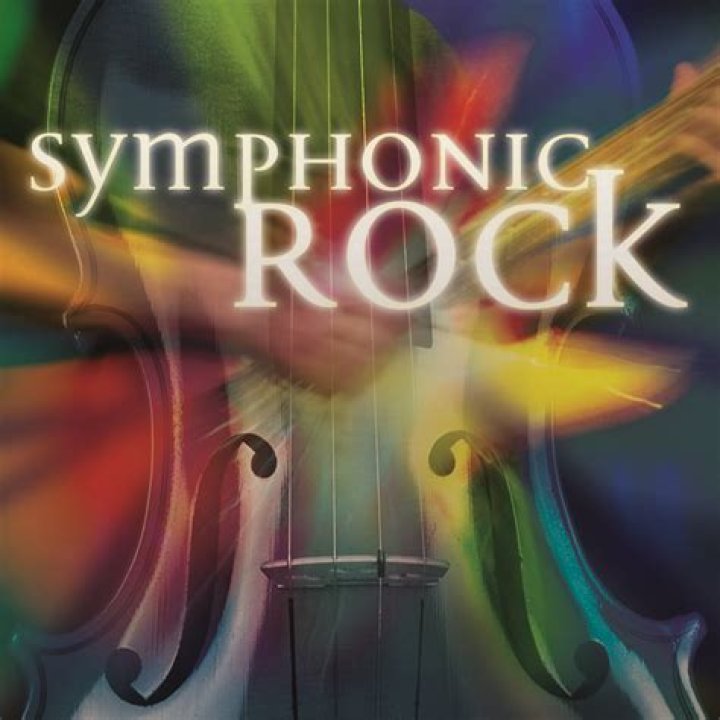
Symphonic rock bands have carved a unique niche in the music world by blending the raw energy of rock with the majestic beauty of classical orchestration. The genre emerged as a bridge between the structured complexity of classical music and the rebellious spirit of rock. Fans of symphonic rock are drawn to its ability to evoke powerful emotions, whether through soaring crescendos or intimate melodies. If you're curious about this captivating genre, this article delves into its history, key characteristics, and notable bands that have shaped its evolution.
Symphonic rock is more than just a genre; it’s an experience. It combines the power of electric guitars, thunderous drums, and commanding vocals with the elegance of strings, brass, and woodwinds. This fusion creates an immersive soundscape that resonates with listeners who appreciate both the intensity of rock and the sophistication of classical music. In this article, we will explore why symphonic rock has become such a beloved genre for many music enthusiasts.
Join us as we uncover the origins of symphonic rock, examine its defining features, and highlight some of the most influential bands in the genre. Whether you're a long-time fan or a newcomer eager to learn more, this article will provide a comprehensive guide to symphonic rock bands and their enduring impact on the music industry.
The History of Symphonic Rock Bands
Symphonic rock bands have a rich and storied history that dates back to the late 1960s and early 1970s. The genre began as an experimental fusion of rock music and classical orchestration, with pioneers like The Moody Blues and King Crimson leading the charge. These early symphonic rock bands sought to push the boundaries of traditional rock by incorporating complex arrangements and orchestral elements into their music.
As the genre evolved, symphonic rock bands gained popularity in the progressive rock scene, where musicians embraced intricate compositions and elaborate performances. Bands like Yes, Genesis, and Emerson, Lake & Palmer became synonymous with the symphonic rock sound, captivating audiences with their virtuosic musicianship and grandiose productions.
Evolution of Symphonic Rock
The evolution of symphonic rock bands continued into the 1980s and beyond, with new artists and subgenres emerging. During this time, symphonic rock expanded its reach, influencing genres like gothic rock, metal, and even pop. This diversification allowed symphonic rock to remain relevant and appealing to a broader audience, while still maintaining its core identity.
Today, symphonic rock bands continue to thrive, with modern acts like Nightwish, Within Temptation, and Epica carrying the torch for this dynamic genre. Their innovative approach to blending classical and rock elements ensures that symphonic rock remains a vital and vibrant part of the music landscape.
Defining Characteristics of Symphonic Rock
Symphonic rock is defined by several key characteristics that set it apart from other genres. These features contribute to its distinctive sound and appeal, making it a favorite among music connoisseurs. Below are some of the defining traits of symphonic rock:
- Complex Arrangements: Symphonic rock bands often feature intricate compositions with multiple movements, much like classical symphonies.
- Orchestral Elements: The inclusion of strings, brass, and woodwinds adds a layer of richness and depth to the music.
- Virtuosic Instrumentation: Symphonic rock musicians are known for their technical prowess, often showcasing their skills through elaborate solos and harmonies.
- Emotional Depth: The genre is renowned for its ability to evoke a wide range of emotions, from euphoria to introspection.
These characteristics, among others, make symphonic rock a genre that appeals to both casual listeners and serious music enthusiasts alike.
Most Influential Symphonic Rock Bands
Throughout its history, symphonic rock has been shaped by a number of influential bands that have left an indelible mark on the genre. Below are some of the most notable symphonic rock bands and their contributions to the music world:
Classic Symphonic Rock Bands
- The Moody Blues: Pioneers of the symphonic rock sound, The Moody Blues incorporated orchestral elements into their music as early as the 1960s.
- Yes: Known for their ambitious concept albums and virtuosic musicianship, Yes remains one of the most iconic symphonic rock bands of all time.
- Genesis: With their theatrical performances and intricate compositions, Genesis helped define the symphonic rock genre during the 1970s.
Modern Symphonic Rock Bands
- Nightwish: Hailing from Finland, Nightwish has become a global sensation, blending symphonic rock with operatic vocals and metal influences.
- Within Temptation: This Dutch band has captivated audiences with their lush soundscapes and powerful ballads.
- Epica: Known for their dynamic live performances and soaring melodies, Epica continues to push the boundaries of symphonic rock.
Exploring the Lyrics of Symphonic Rock
The lyrics of symphonic rock bands often delve into deep and meaningful themes, reflecting the genre's emotional depth. From epic tales of adventure and fantasy to introspective musings on love and loss, symphonic rock lyrics cover a wide range of subjects. This diversity allows listeners to connect with the music on a personal level, finding solace or inspiration in the words.
Some of the most memorable lyrics in symphonic rock come from concept albums, where bands tell a cohesive story through a series of interconnected songs. These albums often feature elaborate narratives and richly detailed characters, drawing listeners into a world of imagination and wonder.
Key Instruments in Symphonic Rock
Symphonic rock bands rely on a wide array of instruments to create their signature sound. While electric guitars, bass, and drums form the foundation of the rock element, orchestral instruments like violins, cellos, trumpets, and flutes add the classical flair that defines the genre. Below are some of the key instruments used in symphonic rock:
- Electric Guitars: Provide the driving force behind the rock sound, often featuring complex riffs and solos.
- Orchestral Strings: Add a layer of elegance and sophistication to the music, enhancing its emotional impact.
- Keyboards: Used to emulate a variety of orchestral instruments, keyboards play a crucial role in creating the symphonic rock sound.
The combination of these instruments creates a soundscape that is both powerful and refined, capturing the essence of symphonic rock.
Subgenres Within Symphonic Rock
While symphonic rock is a genre in its own right, it has also given rise to several subgenres that explore different facets of its sound. These subgenres include:
Symphonic Metal
Symphonic metal combines the power of heavy metal with the grandeur of symphonic rock, resulting in a sound that is both intense and majestic. Bands like Nightwish and Epica are leading figures in this subgenre.
Progressive Symphonic Rock
Progressive symphonic rock builds on the complex arrangements and ambitious concepts of traditional progressive rock, incorporating orchestral elements to create a more expansive sound. Bands like Yes and Genesis are pioneers of this subgenre.
Symphonic Rock Live Concerts and Performances
Live concerts are where symphonic rock truly comes alive, with bands delivering breathtaking performances that showcase their musicianship and artistry. These concerts often feature elaborate stage setups, complete with orchestras and choirs, creating an immersive experience for audiences. Fans of symphonic rock can expect to be transported to another world through the power of live music.
Modern symphonic rock bands have embraced technology to enhance their live shows, using lighting, video projections, and other visual effects to complement the music. This multimedia approach ensures that every concert is a unique and unforgettable experience.
Who Are the Fans of Symphonic Rock?
Symphonic rock fans come from all walks of life, united by their love of music that challenges and inspires. Many fans are drawn to the genre's complexity and emotional depth, appreciating the skill and creativity that goes into crafting symphonic rock songs. Others are captivated by the theatrical nature of live performances, finding joy in the spectacle and energy of symphonic rock concerts.
Regardless of their background, symphonic rock fans share a passion for music that transcends boundaries and defies convention. This sense of community and shared appreciation is what makes symphonic rock such a vibrant and enduring genre.
The Future of Symphonic Rock
The future of symphonic rock looks bright, with new bands and artists continuing to explore and expand the genre. As technology advances, symphonic rock bands have more tools at their disposal to create innovative sounds and captivating performances. This evolution ensures that symphonic rock will remain a vital and exciting part of the music world for years to come.
With its rich history, diverse subgenres, and passionate fanbase, symphonic rock is poised to continue influencing and inspiring musicians and listeners alike. As new generations discover the power and beauty of symphonic rock, the genre's legacy will only grow stronger.
Resources for Symphonic Rock Enthusiasts
For those eager to learn more about symphonic rock, there are numerous resources available to deepen your understanding and appreciation of the genre. Below are some recommended resources for symphonic rock enthusiasts:
- Music Blogs: Follow blogs dedicated to symphonic rock for the latest news, reviews, and insights.
- Online Communities: Join forums and social media groups where fans and musicians discuss symphonic rock.
- Documentaries: Watch documentaries about symphonic rock bands and their history to gain a deeper understanding of the genre.
By exploring these resources, you can expand your knowledge of symphonic rock and connect with others who share your passion for this remarkable genre.
Kesimpulan
In conclusion, symphonic rock bands have created a genre that is both powerful and elegant, combining the best elements of rock and classical music to produce a sound that resonates with listeners worldwide. From its humble beginnings in the 1960s to its current status as a global phenomenon, symphonic rock continues to evolve and inspire. By exploring the history, characteristics, and notable bands of this genre, we gain a greater appreciation for its enduring appeal.
We invite you to share your thoughts and experiences with symphonic rock in the comments below. Whether you're a lifelong fan or a newcomer to the genre, your voice adds to the vibrant community of symphonic rock enthusiasts. Don't forget to explore our other articles for more insights into the world of music!


