
Tea Tree Oil for Eczema: A Natural Solution for Skin Health
By Michael King
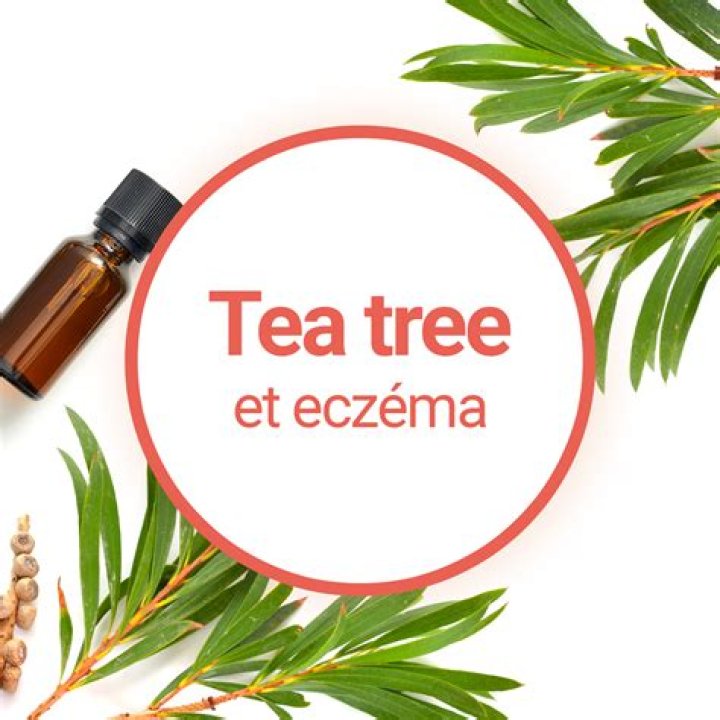
Eczema is a chronic skin condition that affects millions of people worldwide, causing discomfort, irritation, and frustration. While conventional treatments exist, many individuals are turning to natural remedies such as tea tree oil to alleviate their symptoms. Tea tree oil, derived from the leaves of the Melaleuca alternifolia plant, has been gaining popularity for its potential benefits in managing eczema.
As more people seek alternative solutions for their skin conditions, tea tree oil has emerged as a promising option due to its antimicrobial, anti-inflammatory, and soothing properties. In this article, we will explore the science behind tea tree oil and its effectiveness in treating eczema, providing you with the knowledge you need to make informed decisions about your skin care routine.
Whether you're dealing with mild eczema flare-ups or chronic symptoms, understanding the role of tea tree oil in managing this condition can be a game-changer. Let's dive deeper into the world of natural remedies and discover how tea tree oil can help improve your skin health.
Understanding Eczema: A Brief Overview
Eczema, also known as atopic dermatitis, is a skin condition characterized by red, itchy, and inflamed skin. While the exact cause of eczema is unknown, it is believed to result from a combination of genetic and environmental factors. Common triggers include stress, allergens, and irritants.
There are several types of eczema, including atopic dermatitis, contact dermatitis, dyshidrotic eczema, and nummular eczema. Each type has unique symptoms and treatment approaches, making it essential to consult a healthcare professional for an accurate diagnosis and personalized care plan.
What is Tea Tree Oil?
Tea tree oil is an essential oil extracted from the leaves of the Melaleuca alternifolia plant, native to Australia. Renowned for its powerful antimicrobial, antifungal, and anti-inflammatory properties, tea tree oil has been used for centuries in traditional medicine.
Modern research continues to uncover the potential benefits of tea tree oil for various skin conditions, including eczema. Its natural components, such as terpinen-4-ol, contribute to its effectiveness in combating bacteria, fungi, and inflammation.
How Does Tea Tree Oil Help with Eczema?
Tea tree oil offers several benefits for eczema sufferers, including:
- Reducing inflammation and redness
- Combating bacteria and fungi that may exacerbate symptoms
- Alleviating itching and irritation
- Promoting faster healing of affected areas
By addressing these key aspects of eczema, tea tree oil can help provide relief and improve overall skin health.
Scientific Evidence Supporting Tea Tree Oil for Eczema
Several studies have investigated the efficacy of tea tree oil in managing eczema. A 2015 study published in the Journal of Alternative and Complementary Medicine found that tea tree oil significantly reduced symptoms of eczema in participants, demonstrating its potential as a natural treatment option.
Another study published in Phytotherapy Research highlighted the antimicrobial and anti-inflammatory properties of tea tree oil, supporting its use in treating skin conditions such as eczema. These findings underscore the importance of further research into the therapeutic benefits of tea tree oil.
How to Use Tea Tree Oil for Eczema
When using tea tree oil for eczema, it's crucial to follow proper application techniques to ensure safety and effectiveness. Here's a step-by-step guide:
- Perform a patch test to check for allergic reactions
- Dilute tea tree oil with a carrier oil, such as coconut or jojoba oil, at a ratio of 1:10
- Gently apply the diluted oil to affected areas using a cotton ball
- Repeat the process twice daily, or as directed by a healthcare professional
Always consult with a dermatologist before incorporating tea tree oil into your skin care routine, especially if you have sensitive skin or are pregnant.
Potential Side Effects and Precautions
While tea tree oil is generally considered safe for topical use, there are some precautions to keep in mind:
- Never ingest tea tree oil, as it can be toxic when swallowed
- Always dilute tea tree oil with a carrier oil before applying it to the skin
- Discontinue use if you experience irritation, redness, or other adverse reactions
Individuals with allergies to plants in the myrtle family, such as eucalyptus or cloves, should exercise caution when using tea tree oil. In case of severe reactions, seek medical attention immediately.
Comparing Tea Tree Oil with Other Natural Remedies for Eczema
Coconut Oil
Coconut oil is another popular natural remedy for eczema, known for its moisturizing and anti-inflammatory properties. While both coconut oil and tea tree oil can help alleviate eczema symptoms, tea tree oil's antimicrobial capabilities set it apart as a more comprehensive treatment option.
Aloe Vera
Aloe vera gel is often used to soothe irritated skin and promote healing. However, it lacks the antimicrobial properties found in tea tree oil, making tea tree oil a more effective choice for addressing the underlying causes of eczema.
Integrating Tea Tree Oil into Your Eczema Treatment Plan
Tea tree oil can be a valuable addition to your eczema treatment plan when used in conjunction with other therapies. Consider incorporating the following strategies:
- Moisturize regularly to maintain skin hydration
- Avoid known triggers, such as harsh chemicals and allergens
- Practice stress management techniques, such as meditation or yoga
- Consult with a healthcare professional for personalized treatment recommendations
By combining tea tree oil with these approaches, you can achieve optimal results in managing your eczema symptoms.
Where to Buy High-Quality Tea Tree Oil
When purchasing tea tree oil, it's essential to choose a reputable brand that offers pure, undiluted essential oil. Look for certifications such as USDA Organic or ISO 9001 to ensure quality and authenticity. Some trusted brands include:
- Young Living
- doTERRA
- Plant Therapy
Always verify the source and quality of your tea tree oil to ensure its effectiveness and safety.
Conclusion
Tea tree oil presents a promising natural solution for managing eczema symptoms, thanks to its antimicrobial, anti-inflammatory, and soothing properties. By understanding the science behind tea tree oil and incorporating it into your treatment plan, you can take control of your skin health and enjoy lasting relief.
We encourage you to share your experiences with tea tree oil in the comments below and explore other articles on our website for more tips and insights on natural remedies for skin conditions. Together, let's empower ourselves with knowledge and improve our quality of life.

![Naughty America: Watch & Download XXX - [Top Porn]](https://silver.isevcloud.co.uk/uploads/stream-1000s-of-exclusive-adult-porn-videos-joining-naughty-america-gets-you-access-to-thousands-of-the-best-porn-scenes-online-with-a-library-that-spans-over-20-years-you-39-ll-get-to-enjoy-the-latest-hottest-pornstars-from-milfs-to-teens-amateurs-to-award-winning-pro-39-s-and-some-faces-you-may-not-recognize-but-will-find-their-way-into-your-fantasies-naughty-america-is-the-global-authority-on-sex-watch-our-famous-porn-movies-or-have-the-real-experience-with-our-vr-porn-we-have-the-best-porn-stars-and-highest-quality-porn-we-are-here-to-help-you-find-your-fantasy-get-access-to-naughty-america-and-login-to-watch-and-download-porn-as-a-member-for-free-you-can-stream-our-4k-hd-and-vr-porn-on-desktops-laptops-mobile-phones-tablets-and-all-popular-virtual-reality-porn-headsets-like-vive-and-oculus-rift-watch-high-quality-hd-naughty-america-tube-videos-sex-trailers-no-password-is-required-to-watch-movies-on-pornhub-com-the-most-hardcore-xxx-movies-await-you-here-on-the-world-39-s-biggest-porn-tube-so-browse-the-amazing-selection-of-hot-naughty-america-sex-videos-now-watch-the-most-erotic-sex-scenes-in-amazing-vr-4k-and-hd-quality-enjoy-all-of-her-naughty-america-scenes-for-1-95-watch-new-u26a1-naughty-america-hd-porn-movies-and-pictures-all-videos-are-true-1080p-and-720p-enjoy-ufe0f-our-collection-of-naughty-america-xxx-films-ud83c-udf9e-ufe0f-xnxx-com-39-naughty-america-39-search-free-sex-videos-naughty-america-offers-the-best-and-exclusive-new-porn-on-the-internet-we-update-hd-4k-and-vr-porn-daily-so-experience-the-ultimate-xxx-videos-every-day-i-represent-warrant-and-agree-to-the-following-i-am-at-least-eighteen-18-years-of-age-and-have-the-legal-right-to-access-and-possess-adult-material-in-the-community-from-which-i-am-accessing-these-materials-and-in-which-i-reside-browse-all-naughty-america-categories-to-find-the-fantasy-that-is-right-for-you-we-39-re-obsessive-with-labeling-our-content-from-body-types-to-fantasies-lingerie-to-fetishes-whatever-you-want-it-39-ll-be-at-your-fingertips-log-into-the-member-39-s-area-of-the-best-porn-site-on-the-internet-naughty-america-is-one-the-the-most-award-winning-adult-entertainment-platforms-on-the-internet-for-over-20-years-naughty-america-has-defined-itself-by-constantly-booking-top-talent-staying-on-top-of-trending-and-classic-themes-alike-as-well-as-pushing-the-envelope-of-technology-and-entertainment-naughty-america-is-the-global-authority-on-sex-watch-our-famous-porn-movies-or-have-the-real-experience-with-our-vr-porn-we-have-the-best-porn-stars-and-highest-quality-porn-download-or-watch-top-rated-porn-videos-at-naughty-america-with-multiple-updates-daily-experience-your-favorite-xxx-pornstars-in-stunning-4k-vr-hd-quality-naughty-america-gives-you-access-to-massive-porn-collection-in-crystal-clear-highest-quality-photo-and-video-technologies-available-to-stream-and-download-from-any-desktop-laptop-mobile-or-smart-device-all-vr-porn-porn-movies-porn-deals-inside-naughty-america-ar-porn-my-naughty-america-playstation-vr-lenses-strip-club-naughty-america-is-one-the-the-most-award-winning-adult-entertainment-platforms-on-the-internet-for-over-20-years-naughty-america-has-defined-itself-by-constantly-booking-top-talent-staying-on-top-of-trending-and-classic-themes-alike-as-well-as-pushing-the-envelope-of-technology-and-entertainment-discover-naughty-america-full-hd-1080p-sex-videos-featuring-porn-stars-fucking-in-xxx-scenes-naughty-america-is-one-the-the-most-award-winning-adult-entertainment-platforms-on-the-internet-for-over-20-years-naughty-america-has-defined-itself-by-constantly-booking-top-talent-staying-on-top-of-trending-and-classic-themes-alike-as-well-as-pushing-the-envelope-of-technology-and-entertainment-best-pornstars-playing-and-having-fun-in-naughty-america-free-videos-enjoy-the-best-hd-porn-collection-on-our-free-xxx-tube-naughty-america-is-one-the-the-most-award-winning-adult-entertainment-platforms-on-the-internet-for-over-20-years-naughty-america-has-defined-itself-by-constantly-booking-top-talent-staying-on-top-of-trending-and-classic-themes-alike-as-well-as-pushing-the-envelope-of-technology-and-entertainment_720.jpg)

