
The Effects of Methaqualone: Understanding Its Impact on Health and Society
By Mia Phillips
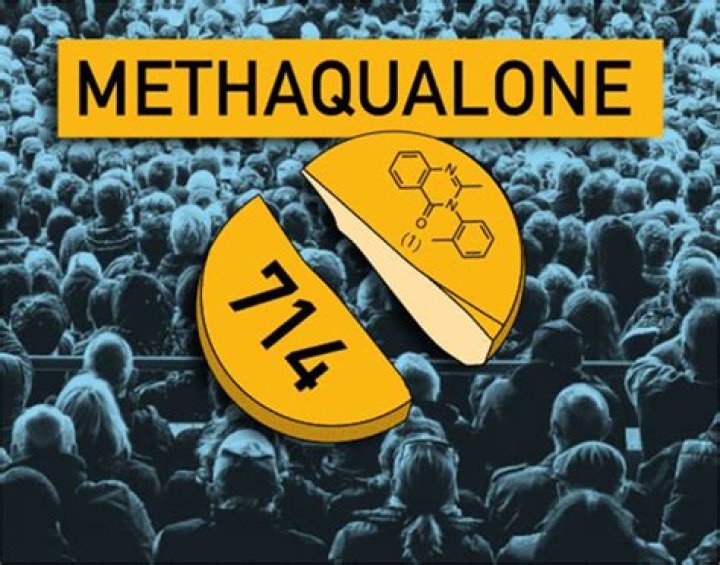
Methaqualone, a synthetic sedative and hypnotic drug, has been a subject of concern due to its potential for abuse and harmful effects on the body. Despite being banned in many countries, its illicit use continues to pose significant risks to individuals and communities. Understanding the effects of methaqualone is crucial to raising awareness and preventing misuse.
First synthesized in India in 1951, methaqualone gained popularity during the 1960s and 1970s as a prescription medication for sleep disorders and anxiety. However, its potential for addiction and abuse quickly became apparent, leading to its prohibition in many parts of the world. Despite its illegal status, the drug continues to be trafficked and consumed, often under street names like "mandrax" or "quaaludes."
This article explores the various effects of methaqualone, including its impact on physical and mental health, societal consequences, and the importance of addressing its misuse. By understanding these effects, individuals and communities can take proactive steps to combat the drug's harmful influence.
History and Overview of Methaqualone
Methaqualone, originally marketed as a safe alternative to barbiturates, quickly gained popularity due to its calming effects. However, its potential for abuse soon became apparent. The drug was initially prescribed for insomnia and anxiety but was eventually classified as a Schedule I controlled substance in the United States in 1984, making it illegal to produce, distribute, or possess.
Origins and Development
Methaqualone was first synthesized in 1951 by Indian scientists. It was introduced to the market as a sedative-hypnotic drug under various brand names, including Quaalude and Mandrax. Its popularity peaked during the 1970s, particularly in the United States and South Africa, where it became a common recreational drug.
Decline and Prohibition
As reports of addiction and overdose increased, governments worldwide began restricting methaqualone's use. By the late 1980s, most countries had banned the drug outright. Despite this, illicit production and trafficking continue in some regions, particularly in parts of Africa and Asia.
Physical Effects of Methaqualone
Methaqualone affects the central nervous system, producing sedative and hypnotic effects. These effects can lead to both short-term and long-term physical consequences.
Short-Term Physical Effects
- Slowed breathing
- Reduced heart rate
- Muscle relaxation
- Dizziness
- Blurred vision
Potential Risks
Even in small doses, methaqualone can impair coordination and judgment, increasing the risk of accidents. Overdose can lead to severe respiratory depression, coma, and even death.
Mental Effects of Methaqualone
While methaqualone is primarily known for its sedative properties, it also has significant effects on mental health. These effects can vary depending on dosage, frequency of use, and individual susceptibility.
Psychological Impact
- Euphoria and relaxation
- Impaired cognitive function
- Memory loss
- Confusion
Long-Term Mental Health Risks
Prolonged use of methaqualone can lead to severe mental health issues, including depression, anxiety, and psychosis. These effects may persist even after discontinuing the drug.
Addiction and Dependence
Methaqualone is highly addictive, both physically and psychologically. Regular use can lead to tolerance, requiring higher doses to achieve the desired effects. This cycle of escalating use increases the risk of dependence and addiction.
Signs of Addiction
- Cravings for the drug
- Difficulty stopping or reducing use
- Neglecting responsibilities
- Social withdrawal
Withdrawal Symptoms
Attempting to quit methaqualone can result in uncomfortable withdrawal symptoms, including anxiety, insomnia, and tremors. Medical supervision is often necessary to manage these symptoms safely.
Long-Term Effects
Chronic methaqualone use can have devastating long-term effects on both physical and mental health. These effects underscore the importance of early intervention and treatment.
Health Consequences
- Liver damage
- Kidney dysfunction
- Neurological impairment
- Cardiovascular issues
Social and Economic Impact
Long-term users often face social isolation, financial difficulties, and legal problems. These challenges can exacerbate the cycle of addiction, making recovery more challenging.
Societal Impact of Methaqualone Abuse
Methaqualone abuse affects not only individuals but also families, communities, and society as a whole. The drug's illicit trade contributes to organized crime and undermines public health efforts.
Economic Costs
The economic burden of methaqualone abuse includes healthcare expenses, lost productivity, and law enforcement costs. Addressing these issues requires a comprehensive approach involving prevention, treatment, and enforcement.
Legal Status and Regulation
Methaqualone is classified as a Schedule I controlled substance in many countries, reflecting its high potential for abuse and lack of accepted medical use. However, enforcement challenges persist in regions where illicit production and trafficking remain prevalent.
International Efforts
Global organizations such as the United Nations Office on Drugs and Crime (UNODC) work to combat methaqualone trafficking through international cooperation and policy development. These efforts aim to reduce the drug's availability and impact on vulnerable populations.
Treatment Options for Methaqualone Abuse
Effective treatment for methaqualone addiction typically involves a combination of medical and psychological interventions. Early intervention is key to achieving successful outcomes.
Detoxification
Medical detoxification helps manage withdrawal symptoms and ensures a safe transition to recovery. This process may involve medication-assisted treatment to alleviate discomfort and reduce cravings.
Counseling and Therapy
Behavioral therapies, such as cognitive-behavioral therapy (CBT), play a crucial role in addressing the psychological aspects of addiction. Support groups and aftercare programs provide ongoing assistance during the recovery journey.
Prevention Strategies
Preventing methaqualone abuse requires a multifaceted approach that includes education, community engagement, and policy development. By raising awareness and promoting healthy alternatives, individuals and communities can reduce the drug's appeal.
Public Awareness Campaigns
Educational campaigns highlighting the dangers of methaqualone can deter potential users and encourage those already affected to seek help. These efforts should target at-risk populations, including youth and marginalized communities.
Policy Recommendations
Strengthening enforcement measures and improving access to treatment services are essential components of an effective prevention strategy. Collaboration between governments, healthcare providers, and community organizations is vital to achieving these goals.
Conclusion
The effects of methaqualone on physical and mental health, as well as its societal impact, underscore the urgency of addressing its misuse. By understanding the drug's risks and promoting prevention and treatment efforts, individuals and communities can work together to reduce its harmful influence.
We encourage readers to share this article and engage in discussions about methaqualone and its effects. For those affected by addiction, seeking professional help is the first step toward recovery. Together, we can create a safer, healthier future for all.
Sources:
- World Health Organization (WHO)
- United Nations Office on Drugs and Crime (UNODC)
- National Institute on Drug Abuse (NIDA)


