
The Rising Trend of Hot Weather: Understanding Its Impact and Solutions
By Sarah Rowe
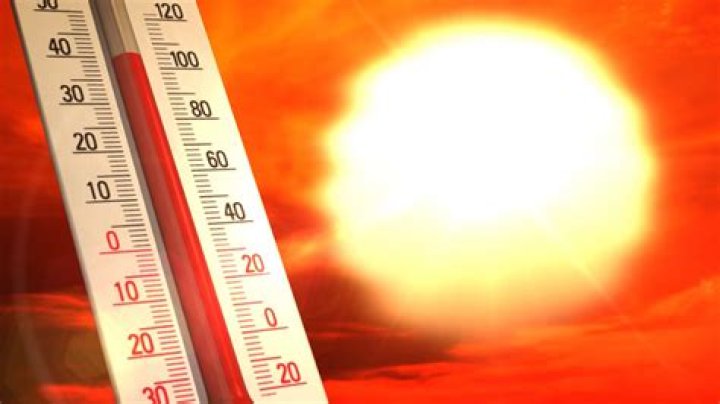
Hot weather is becoming an increasingly significant global issue, affecting millions of people worldwide. Rising temperatures are not just a fleeting phenomenon but a long-term trend with far-reaching consequences. This article delves into the causes, effects, and potential solutions to combat the increasing heat that is reshaping our planet.
As the planet warms, extreme weather events are becoming more frequent and intense. From prolonged heatwaves to scorching temperatures, the implications of hot weather extend beyond mere discomfort. It poses a serious threat to human health, ecosystems, and economies.
This article aims to provide a comprehensive overview of the hot weather trend, focusing on its causes, consequences, and actionable steps to mitigate its impact. By understanding the science behind global warming and the role we play in addressing it, we can work towards a more sustainable future.
Introduction to Hot Weather Trends
Hot weather trends have become a defining feature of the 21st century, driven by human activities and natural factors. According to the World Meteorological Organization (WMO), the past decade was the hottest on record, with temperatures consistently surpassing historical averages.
The increasing frequency of heatwaves has raised concerns among scientists and policymakers alike. These events are not isolated incidents but part of a larger pattern of climate change. Understanding the root causes of this trend is crucial for developing effective strategies to address it.
Moreover, the impact of hot weather extends beyond climate science. It affects agriculture, water resources, energy consumption, and public health, making it a multifaceted challenge that requires a coordinated response.
Causes of Rising Temperatures
Natural Factors Contributing to Hot Weather
Natural factors such as volcanic eruptions, solar radiation, and ocean currents play a role in regulating Earth's climate. However, these factors alone cannot explain the rapid increase in global temperatures observed in recent decades.
- Volcanic eruptions release aerosols into the atmosphere, which can temporarily cool the planet.
- Solar radiation varies over time, influencing the amount of heat Earth receives from the sun.
- Ocean currents, like the El Niño-Southern Oscillation (ENSO), affect regional weather patterns and temperature fluctuations.
Human Activities Driving Climate Change
Human activities are the primary drivers of rising temperatures. The burning of fossil fuels, deforestation, and industrial processes release greenhouse gases into the atmosphere, trapping heat and causing the planet to warm.
Key contributors include:
- Cars and transportation systems that rely on gasoline and diesel.
- Power plants that generate electricity using coal and natural gas.
- Agriculture practices that release methane and nitrous oxide.
Effects of Hot Weather on the Environment
The environmental impact of hot weather is profound, affecting ecosystems, wildlife, and natural resources. Rising temperatures lead to the melting of polar ice caps, sea-level rise, and habitat loss for countless species.
Loss of Biodiversity
As temperatures increase, many species struggle to adapt to their changing environments. Coral reefs, for example, are experiencing mass bleaching events due to warmer ocean waters. Similarly, forests are becoming more susceptible to wildfires, further threatening biodiversity.
Water Scarcity
Hot weather exacerbates water scarcity issues, particularly in regions already prone to drought. Reduced rainfall and increased evaporation strain freshwater resources, impacting both human populations and agriculture.
Impact on Human Health
Hot weather poses significant risks to human health, particularly for vulnerable populations such as the elderly, children, and those with pre-existing medical conditions. Heatwaves can lead to heatstroke, dehydration, and cardiovascular issues.
Heat-Related Illnesses
Heat-related illnesses are on the rise as temperatures climb. Symptoms range from mild discomfort to life-threatening conditions like heat exhaustion and heatstroke. Public health systems must adapt to address these growing challenges.
Air Quality Concerns
Hot weather contributes to poor air quality by increasing ground-level ozone and particulate matter. This can worsen respiratory conditions such as asthma and chronic obstructive pulmonary disease (COPD).
Economic Implications
The economic impact of hot weather is substantial, affecting industries such as agriculture, energy, and tourism. Heatwaves disrupt supply chains, reduce worker productivity, and increase cooling costs for businesses and households.
Agricultural Challenges
Crop yields decline as temperatures rise, leading to food shortages and higher prices. Farmers face increased pressure to adapt to changing climate conditions while maintaining profitability.
Energy Demand
The demand for energy spikes during heatwaves as people rely more on air conditioning and cooling systems. This places additional strain on power grids, increasing the risk of blackouts and energy shortages.
Solutions to Combat Hot Weather
Addressing the challenges posed by hot weather requires a multi-faceted approach that combines technological innovation, policy reform, and community engagement. Below are some effective strategies for mitigating the impact of rising temperatures.
Renewable Energy Adoption
Transitioning to renewable energy sources such as solar, wind, and hydropower can significantly reduce greenhouse gas emissions. Governments and businesses must invest in clean energy infrastructure to accelerate this shift.
Urban Heat Island Mitigation
Cities experience higher temperatures due to the urban heat island effect. Implementing green roofs, reflective surfaces, and urban forestry initiatives can help cool urban environments and improve livability.
Role of Technology in Mitigation
Technology plays a critical role in addressing the challenges of hot weather. Advances in climate modeling, weather forecasting, and energy-efficient systems provide valuable tools for adaptation and mitigation.
Climate Modeling and Prediction
Climate models help scientists predict future temperature trends and assess the effectiveness of mitigation strategies. These models rely on complex algorithms and vast datasets to simulate Earth's climate system.
Smart Grids and Energy Management
Smart grids enable more efficient energy distribution and consumption, reducing waste and improving reliability during peak demand periods. This technology is essential for managing the increased energy needs caused by hot weather.
Community Efforts and Initiatives
Community involvement is vital for addressing the challenges posed by hot weather. Local initiatives can empower individuals to take action and contribute to a more sustainable future.
Public Awareness Campaigns
Education and awareness campaigns can inform the public about the causes and effects of hot weather. These efforts encourage behavior changes, such as reducing energy consumption and adopting eco-friendly practices.
Volunteer Programs
Volunteer programs focused on environmental conservation and community resilience can make a meaningful impact. Activities such as tree planting, clean-up events, and disaster preparedness training foster a sense of shared responsibility.
Government Policies and Regulations
Government policies play a crucial role in addressing the root causes of hot weather. Effective regulations can incentivize sustainable practices and penalize harmful behaviors.
Carbon Pricing Mechanisms
Implementing carbon pricing mechanisms, such as taxes or cap-and-trade systems, encourages businesses to reduce their carbon footprint. These policies align economic incentives with environmental goals.
International Cooperation
Global challenges like hot weather require international cooperation. Agreements such as the Paris Accord bring nations together to set ambitious targets for reducing greenhouse gas emissions.
Future Outlook and Predictions
The future outlook for hot weather depends on the actions taken today. While the trend of rising temperatures is concerning, there is still hope for a more sustainable future if we act decisively.
Climate Scenarios
Climate scientists have developed various scenarios to predict future temperature trends based on different levels of greenhouse gas emissions. Limiting global warming to 1.5°C above pre-industrial levels remains a key target for avoiding the worst impacts of climate change.
Technological Advancements
Ongoing advancements in technology offer promising solutions for mitigating hot weather. Innovations in carbon capture, energy storage, and renewable energy systems could play a pivotal role in reducing emissions and stabilizing the climate.
Conclusion and Call to Action
Hot weather is a pressing global issue with far-reaching consequences for the environment, human health, and the economy. By understanding its causes and effects, we can develop effective strategies to address this challenge. Transitioning to renewable energy, implementing sustainable practices, and fostering international cooperation are essential steps towards a more resilient future.
We invite you to take action by sharing this article, engaging in discussions about climate change, and supporting initiatives that promote sustainability. Together, we can make a difference in combating the rising trend of hot weather and ensuring a healthier planet for generations to come.
For more information, consult authoritative sources such as the Intergovernmental Panel on Climate Change (IPCC) and the National Oceanic and Atmospheric Administration (NOAA).


