
The Ultimate Guide to Understanding and Choosing the Best VPN
By William Brown
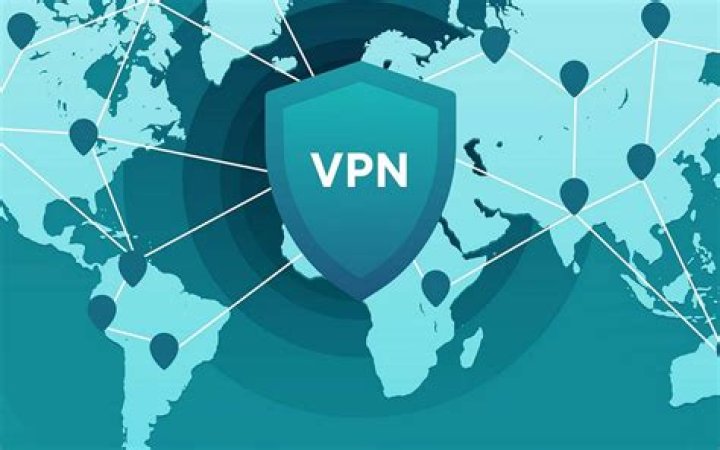
In today's digital era, the term "VPN" has become increasingly important for individuals and businesses alike. A Virtual Private Network (VPN) provides an essential layer of security and privacy, making it a must-have tool in our interconnected world. Whether you're working remotely, browsing the internet, or accessing geo-restricted content, a reliable VPN can enhance your online experience while safeguarding your personal data.
As online threats continue to rise, the demand for secure browsing solutions has skyrocketed. A VPN plays a crucial role in encrypting your internet connection, ensuring that your sensitive information remains protected from prying eyes. With cybercrime on the rise, understanding how a VPN works and its benefits is more important than ever.
This comprehensive guide will delve into everything you need to know about VPNs, including their functionality, types, advantages, and how to choose the best one for your needs. Whether you're a beginner or an experienced user, this article will provide valuable insights to help you make informed decisions about your online security.
What is a VPN?
A Virtual Private Network (VPN) is a service that creates a secure, encrypted connection over the internet, allowing users to browse the web privately and anonymously. By routing your internet traffic through a remote server, a VPN masks your IP address, making it difficult for anyone to track your online activities.
This technology is particularly useful for individuals who want to protect their personal data, bypass geo-restrictions, or access blocked websites. With the growing concerns over online surveillance and data breaches, a reliable VPN has become an essential tool for maintaining digital privacy.
Key Features:
- Encryption of internet traffic
- IP address masking
- Access to geo-restricted content
- Enhanced online security
How Does a VPN Work?
Understanding the Encryption Process
A VPN works by establishing a secure tunnel between your device and the internet. When you connect to a VPN, your data is encrypted and sent through this tunnel to a remote server operated by the VPN provider. The server then forwards your data to its final destination, such as a website or online service.
This process ensures that your internet service provider (ISP) or any third party cannot intercept or monitor your online activities. Additionally, the remote server assigns you a new IP address, which makes it appear as though you're accessing the internet from a different location.
Steps Involved in Using a VPN
- Install and launch the VPN application on your device.
- Select a server location from the available options.
- Connect to the chosen server, and your internet traffic will be routed through it.
- Browse the web securely and privately.
Types of VPNs
Remote Access VPN
A remote access VPN allows individual users to connect to a private network securely. This type of VPN is commonly used by employees who need to access their company's internal resources while working remotely. By using a remote access VPN, users can securely access files, applications, and other resources as if they were physically present in the office.
Site-to-Site VPN
A site-to-site VPN connects two or more networks over the internet. This type of VPN is often used by organizations with multiple branch offices to create a secure connection between their networks. Site-to-site VPNs can be further divided into intranet and extranet configurations, depending on the level of access granted to external partners or clients.
Mobile VPN
Mobile VPNs are designed specifically for mobile devices, ensuring that users can maintain a secure connection while on the go. These VPNs are optimized for mobile networks and can handle frequent disconnections and network switches without compromising security or performance.
Benefits of Using a VPN
Enhanced Online Privacy
One of the primary benefits of using a VPN is the increased level of online privacy it provides. By encrypting your internet traffic and masking your IP address, a VPN makes it difficult for anyone to track your online activities. This is particularly important when using public Wi-Fi networks, where the risk of data interception is higher.
Bypassing Geo-Restrictions
Many websites and online services restrict access based on geographical location. A VPN allows you to bypass these restrictions by connecting to a server in a different country, giving you access to content that would otherwise be unavailable in your region.
Improved Security
With the rise in cyber threats, securing your online connection has never been more critical. A VPN provides an additional layer of security by encrypting your data and protecting it from potential attackers. This is especially important for businesses handling sensitive information or conducting financial transactions online.
Choosing the Right VPN
Factors to Consider
Selecting the right VPN can be a daunting task, given the numerous options available in the market. Here are some key factors to consider when choosing a VPN:
- Security Features: Ensure the VPN offers strong encryption protocols and a no-logs policy.
- Server Locations: Look for a provider with a wide range of server locations to access geo-restricted content.
- Speed and Performance: Choose a VPN that offers fast connection speeds without compromising security.
- Compatibility: Ensure the VPN is compatible with your devices and operating systems.
Top VPN Providers
Some of the most reputable VPN providers include:
- NordVPN
- ExpressVPN
- CyberGhost
- Surfshark
Privacy and Security Features
Encryption Protocols
Encryption is a fundamental aspect of VPN security. Most modern VPNs use advanced encryption protocols, such as AES-256, to protect your data. These protocols ensure that even if your data is intercepted, it cannot be deciphered without the encryption key.
No-Logs Policy
A reputable VPN provider should have a strict no-logs policy, meaning they do not store any records of your online activities. This ensures that your privacy remains intact, even if the provider is forced to hand over data to authorities.
Kill Switch
A kill switch is a security feature that automatically disconnects your internet connection if the VPN connection drops. This prevents your real IP address from being exposed and ensures that your online activities remain private at all times.
Common Misconceptions About VPNs
Myth: All VPNs are Created Equal
Not all VPNs offer the same level of security and privacy. Some free VPNs may collect and sell your data to third parties, defeating the purpose of using a VPN. It's essential to choose a reputable provider that prioritizes user privacy and security.
Myth: A VPN Slows Down Your Internet Connection
While it's true that encryption can slightly impact connection speeds, many modern VPNs are optimized for performance and offer fast connection speeds without noticeable delays. Choosing a high-quality provider can minimize any potential speed issues.
Myth: A VPN is Only for Advanced Users
On the contrary, using a VPN is relatively simple, even for beginners. Most VPN providers offer user-friendly applications with intuitive interfaces, making it easy for anyone to set up and use a VPN.
Legal Aspects of Using a VPN
Is Using a VPN Legal?
Using a VPN is legal in most countries, including the United States, Canada, and the European Union. However, some countries, such as China and Russia, have imposed restrictions on the use of VPNs. It's essential to familiarize yourself with the laws in your country before using a VPN.
Ethical Use of VPNs
While a VPN can be used for legitimate purposes, such as enhancing online privacy and accessing geo-restricted content, it can also be misused for illegal activities. It's important to use a VPN responsibly and ethically, adhering to the laws and regulations of your country.
The Future of VPN Technology
As technology continues to evolve, so does the need for enhanced online security and privacy. The future of VPN technology looks promising, with advancements in encryption protocols, faster connection speeds, and increased compatibility with emerging devices and platforms. With the growing concerns over data privacy and online surveillance, the demand for reliable VPN solutions is expected to rise in the coming years.
Conclusion
In conclusion, a Virtual Private Network (VPN) is an essential tool for maintaining online privacy and security in today's digital age. By encrypting your internet traffic and masking your IP address, a VPN provides a secure and private browsing experience, protecting your personal data from potential threats.
To choose the right VPN for your needs, consider factors such as security features, server locations, speed, and compatibility. Always opt for a reputable provider with a strong commitment to user privacy and a no-logs policy.
Take action today by securing your online activities with a reliable VPN. Share your thoughts and experiences in the comments below, and don't forget to explore other informative articles on our website for more tips and insights on digital privacy and security.


