
The Ultimate Guide to Understanding the Size of an Acre
By Michael Gray
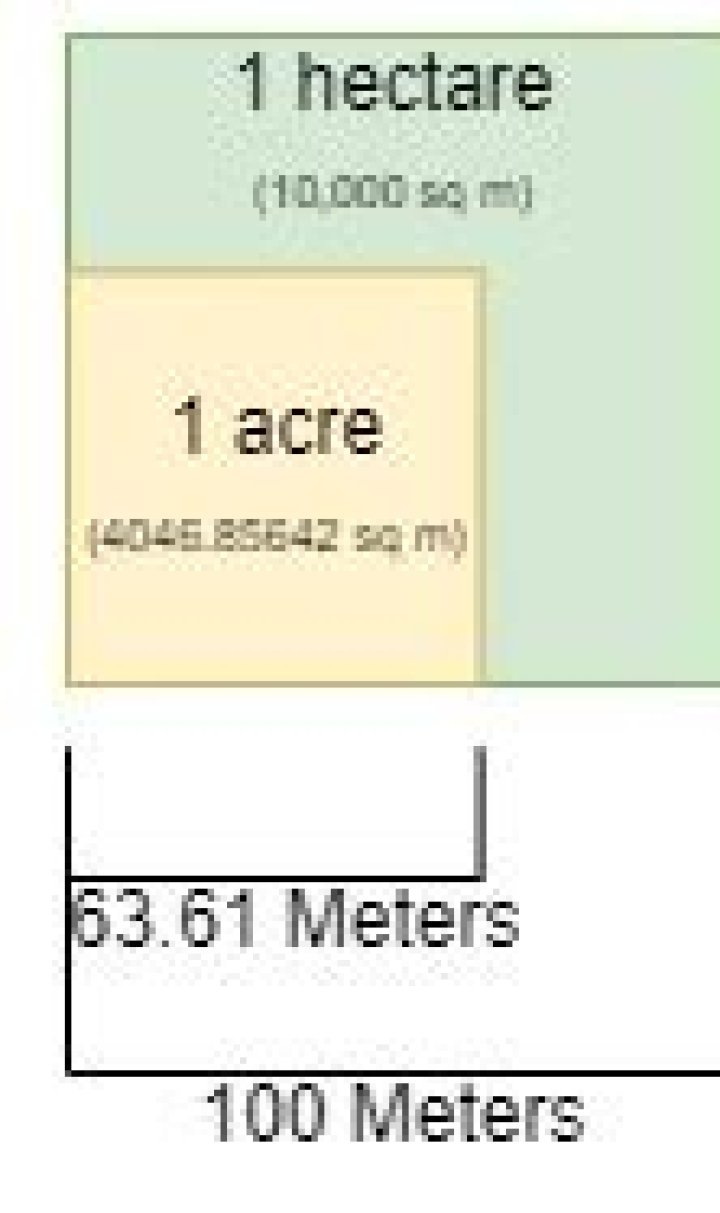
When it comes to land measurements, the term "acre" is one of the most commonly used units around the world. Whether you're buying property, planning a garden, or simply curious about land dimensions, understanding the size of an acre is essential. This comprehensive guide will delve deep into the concept of an acre, its historical significance, and how it applies in modern times.
An acre is a unit of land measurement widely used in countries that follow the Imperial system, including the United States, the United Kingdom, and others. Its origins date back to medieval times, where it was defined based on the amount of land a yoke of oxen could plow in one day. Over the centuries, the definition has evolved into a standardized measurement.
As we explore the intricacies of the acre, you'll discover how it compares to other units of measurement, its practical applications, and the importance of understanding its dimensions. By the end of this article, you'll have a thorough grasp of the size of an acre and how it impacts various aspects of land management and development.
What is an Acre?
An acre is a unit of land measurement primarily used in countries that utilize the Imperial system. It is defined as an area of land equal to 43,560 square feet or approximately 4,047 square meters. This unit of measurement is widely used in real estate, agriculture, and land development industries.
In simpler terms, imagine a rectangular plot of land that measures 66 feet by 660 feet. This area constitutes one acre. The concept of an acre has been refined over time to ensure consistency and accuracy in land transactions.
History of the Acre
The origins of the acre can be traced back to medieval England. During this period, an acre was loosely defined as the amount of land that could be plowed by a yoke of oxen in a single day. This practical definition was later standardized to accommodate the needs of growing societies.
Medieval Definition and Evolution
In medieval times, the size of an acre varied depending on the region and the type of soil being plowed. However, by the 13th century, England adopted a more uniform definition, which eventually became the basis for the modern acre. This historical context highlights the importance of standardization in land measurement.
Dimensions of an Acre
Understanding the dimensions of an acre is crucial for anyone dealing with land. As mentioned earlier, an acre equals 43,560 square feet. This can be visualized in various shapes, such as a square or rectangle, depending on the layout of the land.
- A square acre would measure approximately 208.71 feet on each side.
- A rectangular acre could have dimensions like 66 feet by 660 feet.
Comparing an Acre to Other Units
While the acre is a widely recognized unit of measurement, it is often necessary to compare it with other units, especially when dealing with international transactions or conversions. Below are some common comparisons:
- One acre equals 0.4047 hectares.
- One acre is equivalent to 4,840 square yards.
- In metric terms, an acre is approximately 4,047 square meters.
Calculating Land Area in Acres
Calculating the size of a piece of land in acres is a straightforward process. To determine the acreage, divide the total square footage of the land by 43,560. For example, if a plot of land measures 87,120 square feet, the calculation would be:
87,120 ÷ 43,560 = 2 acres
Measurement Tools and Techniques
Modern technology has made it easier to measure land accurately. Tools such as GPS devices, surveying equipment, and satellite imagery are commonly used to ensure precise measurements. These tools are especially useful for large tracts of land where manual measurement might be impractical.
Practical Applications of an Acre
The concept of an acre extends beyond mere measurement. It plays a vital role in various industries and applications:
Land Development and Planning
In real estate and urban planning, understanding the size of an acre is essential for designing layouts, zoning regulations, and infrastructure development. Developers often use acreage to determine the number of units that can be built on a given piece of land.
Agriculture and Farming
For farmers and agricultural professionals, the acre serves as a fundamental unit for calculating crop yields, irrigation needs, and fertilization requirements. Knowing the exact acreage helps optimize resource allocation and increase productivity.
Global Standards for Acre Measurement
While the acre is predominantly used in countries following the Imperial system, global standards have been established to ensure consistency. Organizations such as the International Organization for Standardization (ISO) provide guidelines for land measurement, facilitating international cooperation and trade.
Conclusion
In conclusion, understanding the size of an acre is crucial for anyone involved in land-related activities. From its historical roots to its modern applications, the acre remains a vital unit of measurement in various industries. By grasping its dimensions, practical uses, and global standards, you can make informed decisions regarding land management and development.
We encourage you to share this article with others who may benefit from this knowledge. Feel free to leave a comment below if you have any questions or additional insights about the size of an acre. For more informative content, explore our other articles on related topics.
References:
- International Organization for Standardization (ISO)
- U.S. Geological Survey (USGS)
- Encyclopedia Britannica


