
Treating Ingrown Hair Cyst: Comprehensive Guide to Managing and Preventing This Common Skin Condition
By Andrew Thornton
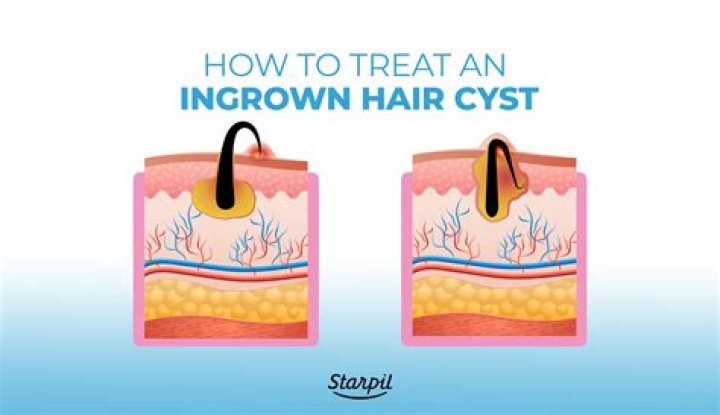
Ingrown hair cysts are a common and often frustrating skin condition that many people face. These small, raised bumps can cause discomfort, irritation, and even embarrassment if left untreated. Understanding the causes, symptoms, and treatment options for ingrown hair cysts is essential for effective management and prevention.
From shaving and waxing to genetics and skin type, several factors contribute to the development of ingrown hair cysts. By learning how to identify and address this condition, you can take proactive steps toward healthier, clearer skin. In this article, we will explore various treatment options and preventive measures to help you manage this issue effectively.
Whether you're dealing with occasional ingrown hairs or chronic cysts, this guide will provide you with the knowledge and tools to improve your skin health. Let's dive in and discover how to treat and prevent ingrown hair cysts.
Understanding Ingrown Hair Cysts
Ingrown hair cysts occur when hair grows back into the skin instead of rising to the surface. This condition can happen anywhere on the body where hair grows, but it is most common in areas frequently shaved or waxed, such as the legs, armpits, and bikini line. The cysts can vary in size and severity, ranging from small, painless bumps to larger, inflamed lesions.
Types of Ingrown Hair Cysts
There are two primary types of ingrown hair cysts:
- Epidermal inclusion cysts: These are non-cancerous lumps that form under the skin, often caused by blocked hair follicles.
- Pilar cysts: These cysts develop from the hair follicle and are typically found on the scalp.
Causes of Ingrown Hair Cysts
Several factors contribute to the development of ingrown hair cysts, including:
- Improper hair removal techniques
- Thick or coarse hair
- Tight clothing that irritates the skin
- Poor skin hygiene
- Genetic predisposition
Risk Factors
Certain individuals are more prone to developing ingrown hair cysts due to:
- Dark or curly hair
- Excessive sweating
- Frequent shaving or waxing
Symptoms of Ingrown Hair Cysts
The symptoms of ingrown hair cysts may include:
- Red, swollen bumps
- Pain or tenderness
- Pus-filled lesions
- Itching or irritation
Severe cases may lead to scarring or infection, so it's important to address the condition promptly.
Diagnosis and Assessment
Diagnosing an ingrown hair cyst typically involves a physical examination by a dermatologist or healthcare professional. They may ask about your medical history, hair removal habits, and skin care routine to determine the underlying cause.
When to See a Doctor
You should consult a healthcare professional if:
- The cyst is large, painful, or persists for more than a few weeks.
- There are signs of infection, such as increased redness, swelling, or discharge.
- You experience recurring ingrown hair cysts despite home treatment.
Home Treatments for Ingrown Hair Cysts
Mild cases of ingrown hair cysts can often be treated at home using simple remedies. Here are some effective strategies:
- Apply warm compresses to reduce swelling and encourage the hair to surface.
- Use over-the-counter hydrocortisone cream to relieve itching and inflammation.
- Gently exfoliate the affected area with a soft washcloth or mild scrub.
Over-the-Counter Products
Products containing salicylic acid or benzoyl peroxide can help unclog pores and reduce inflammation. Always follow the instructions on the packaging and patch test new products to avoid irritation.
Professional Treatment Options
If home treatments are ineffective, professional intervention may be necessary. Some common treatments include:
- Laser hair removal: Permanent hair reduction can prevent future ingrown hairs.
- Prescription medications: Topical antibiotics or retinoids may be prescribed to treat infections or improve skin texture.
- Surgical removal: In severe cases, a doctor may surgically remove the cyst.
Benefits of Professional Treatment
Seeking professional help ensures proper diagnosis and treatment, reducing the risk of complications such as infection or scarring. Additionally, professionals can provide personalized advice tailored to your specific needs.
Preventing Ingrown Hair Cysts
Prevention is key to managing ingrown hair cysts. Here are some tips to help you avoid this condition:
- Shave in the direction of hair growth.
- Use a sharp, single-blade razor.
- Moisturize the skin regularly to keep it soft and supple.
- Avoid tight clothing that irritates the skin.
Long-Term Strategies
Consider long-term solutions such as laser hair removal or electrolysis to minimize the risk of ingrown hairs. These treatments can provide lasting results and improve overall skin health.
Shaving Tips to Avoid Ingrown Hair Cysts
Proper shaving techniques can significantly reduce the likelihood of developing ingrown hair cysts. Follow these tips for a smoother shave:
- Exfoliate before shaving to remove dead skin cells.
- Use a shaving cream or gel to lubricate the skin.
- Rinse the razor frequently to prevent clogging.
Choosing the Right Razor
Invest in a high-quality razor designed for sensitive skin. Look for features such as pivoting heads, moisturizing strips, and rust-resistant blades to enhance your shaving experience.
Natural Remedies for Ingrown Hair Cysts
For those who prefer natural solutions, several remedies can help alleviate ingrown hair cysts. These include:
- Tea tree oil for its antibacterial properties.
- Aloe vera gel to soothe irritation and reduce inflammation.
- Honey as a natural antiseptic and moisturizer.
Effectiveness of Natural Remedies
While natural remedies can be effective for mild cases, they may not work for severe or persistent cysts. Always consult a healthcare professional if symptoms persist or worsen.
Frequently Asked Questions About Ingrown Hair Cysts
Q: Can ingrown hair cysts be prevented entirely?
While complete prevention may not be possible, adopting proper hair removal techniques and skincare habits can significantly reduce the risk.
Q: Are ingrown hair cysts contagious?
No, ingrown hair cysts are not contagious. They are caused by hair growing back into the skin, not by bacteria or viruses.
Q: How long does it take for an ingrown hair cyst to heal?
Minor cysts may resolve on their own within a few days to weeks. Severe cases may require professional treatment and take longer to heal.
Kesimpulan
Treating ingrown hair cysts involves a combination of proper care, prevention, and, if necessary, professional intervention. By understanding the causes, symptoms, and available treatments, you can take control of your skin health and minimize the impact of this condition.
We encourage you to share your experiences and tips in the comments below. For more information on skincare and hair care, explore our other articles and resources. Together, let's work toward healthier, happier skin!

![Decoding Movie Rules: Understanding & Enjoying Films | [Movierulz] & Beyond](https://silver.isevcloud.co.uk/uploads/3-movierulz-brings-the-latest-hollywood-movierulz-news-3movierulz-also-brings-movie-news-tv-news-trailers-reviews-movierulz-articles-in-south-ind-movies-are-more-than-just-a-form-of-entertainment-they-are-a-reflection-of-culture-storytelling-and-human-emotions-understanding-the-rules-that-govern-films-can-enhance-your-viewing-experience-and-provide-deeper-insights-into-the-narratives-presented-in-this-article-we-will-explore-the-five-essential-movie-rules-that-every-cinephile-should-know-before-movierulz-2025-latest-hd-telugu-kannada-tamil-south-indian-movies-web-series-shows-kdramas-watch-at-high-quality-on-movierulz-tv-this-page-is-intended-to-document-significant-changes-to-the-movie-rules-over-the-course-of-the-site-u2019s-history-this-is-far-from-a-complete-list-with-emphasis-being-placed-on-more-recent-rule-changes-standard-goals-based-on-di-u2026-understanding-movierules-is-essential-for-filmmakers-producers-and-even-audiences-these-regulations-impact-everything-from-the-production-phase-to-distribution-and-viewership-by-adhering-to-these-rules-filmmakers-can-navigate-the-complex-landscape-of-content-creation-ensuring-their-work-is-both-legally-compliant-and-culturally-sensitive-movie-show-times-schedules-and-tickets-in-los-angeles-long-beach-anaheim-santa-ana-irvine-burbank-lakewood-santa-monica-fountain-valley-orange-pasadena-ca-when-it-comes-to-enjoying-films-understanding-the-core-principles-that-govern-cinematic-storytelling-can-elevate-your-viewing-experience-significantly-the-5-movie-rules-com-framework-offers-a-set-of-guidelines-designed-to-help-both-filmmakers-and-audiences-appreciate-the-intricacies-of-modern-cinema-in-this-article-we-will-explore-these-five-essential-rules-and-this-combination-of-comfort-variety-and-free-access-makes-movierulz-profoundly-attractive-especially-for-viewers-on-a-tight-budget-the-dark-side-of-piracy-we-would-like-to-show-you-a-description-here-but-the-site-won-u2019t-allow-us-movierulz-com-movierulz-latest-bollywood-and-hollywood-movies-watch-online-full-free-movierulz-is-wide-range-collection-of-telugu-movies-tamil-malayalam-bengali-kannada-movierulz-movierulz-provide-a-wide-range-of-telugu-movies-tamil-malayalam-and-hindi-movies-watch-full-telugu-movies-online-anytime-anywhere-on-zee5-also-explore-41-telugu-movies-online-in-full-hd-from-our-latest-telugu-movies-collection-movies-are-more-than-just-a-form-of-entertainment-they-are-a-reflection-of-culture-storytelling-and-human-emotions-understanding-the-rules-that-govern-films-can-enhance-your-viewing-experience-and-provide-deeper-insights-into-the-narratives-presented-in-this-article-we-will-explore-the-five-essential-movie-rules-that-every-cinephile-should-know-before-movierulz-latest-featured-telugu-movies-watch-online-download-full-free-collection-of-bollywood-movies-tamil-malayalam-dubbed-kannada-5movierulz-movierulz-is-a-piracy-website-that-leaks-the-tamil-telugu-kannada-hindi-movies-and-allows-users-to-download-movies-in-free-check-out-the-latest-news-and-updates-on-meta-movierulz-here-enjoy-watching-new-telugu-movies-release-of-2025-experience-the-latest-and-new-south-indian-movies-on-your-mobile-device_720.jpg)

