
Tri Tip Internal Temperature: A Comprehensive Guide to Cooking Perfection
By William Brown
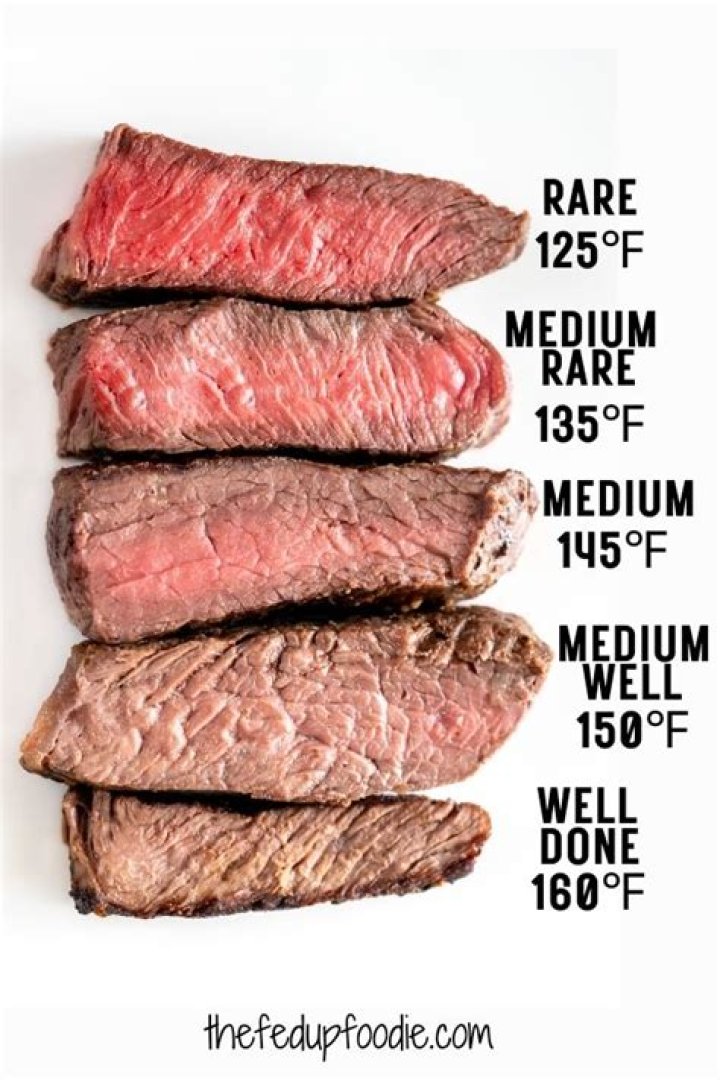
Tri tip internal temperature is a crucial factor in achieving the perfect steak. Whether you're a seasoned chef or a beginner in the kitchen, understanding the ideal temperature for cooking tri tip ensures a flavorful and juicy result. This cut of meat, originating from the bottom sirloin of a cow, requires precision to avoid overcooking or undercooking. In this article, we'll explore everything you need to know about tri tip and how to cook it perfectly.
Tri tip has gained popularity in recent years due to its affordability and rich flavor. Often referred to as the "Santa Maria cut," it is a staple in California barbecue traditions. However, cooking tri tip to perfection requires more than just throwing it on the grill. Monitoring its internal temperature is the key to achieving a delicious, tender steak.
This guide will walk you through the science behind cooking tri tip, the ideal temperatures for different levels of doneness, and tips to ensure your cooking experience is a success. By the end of this article, you'll be equipped with all the knowledge you need to cook a mouthwatering tri tip every time.
What is Tri Tip?
Tri tip is a triangular-shaped cut of meat from the bottom sirloin primal cut of a cow. It is lean, tender, and has a rich beefy flavor. Unlike other cuts of beef, tri tip is relatively small, typically weighing between 1.5 to 2.5 pounds. Its unique shape and flavor profile make it a favorite among barbecue enthusiasts.
Originating from Santa Maria, California, tri tip is often associated with the region's barbecue traditions. It is traditionally cooked over an open flame using red oak wood, which imparts a smoky flavor. However, you can cook tri tip using various methods, including grilling, roasting, or pan-searing.
Understanding the nature of tri tip is essential for achieving the best results. Due to its lean composition, it can easily become dry if overcooked. This makes monitoring tri tip internal temperature crucial for retaining its juiciness and flavor.
Ideal Tri Tip Internal Temperature
Cooking tri tip to the right internal temperature ensures the meat is both safe to eat and delicious. The USDA recommends cooking beef to a minimum internal temperature of 145°F (63°C) for safety. However, for optimal flavor and tenderness, many chefs and home cooks prefer lower temperatures depending on their desired level of doneness.
Here are the ideal tri tip internal temperatures for different levels of doneness:
- Rare: 125°F (52°C)
- Medium-rare: 130°F (54°C)
- Medium: 140°F (60°C)
- Medium-well: 150°F (66°C)
- Well-done: 160°F (71°C)
It's important to note that the internal temperature of tri tip will continue to rise by 5-10°F after it is removed from the heat source due to carryover cooking. This means you should remove the meat from the heat when it reaches about 5°F below your desired final temperature.
Cooking Methods for Tri Tip
Grilling
Grilling is one of the most popular methods for cooking tri tip. The high heat of the grill sears the outside of the meat, creating a flavorful crust while keeping the inside juicy. To grill tri tip:
- Preheat your grill to high heat.
- Season the tri tip generously with salt, pepper, and your choice of spices.
- Place the tri tip on the grill and cook for 4-5 minutes per side, depending on the thickness.
- Use a meat thermometer to check the internal temperature frequently.
Oven Roasting
Oven roasting is an excellent option if you don't have access to a grill. This method allows for even cooking and is ideal for larger cuts of tri tip. To roast tri tip:
- Preheat your oven to 400°F (200°C).
- Season the tri tip and sear it in a hot skillet to create a crust.
- Transfer the tri tip to a baking dish and roast in the oven until it reaches your desired internal temperature.
Using a Meat Thermometer
A meat thermometer is an essential tool for ensuring your tri tip is cooked to perfection. When using a thermometer:
- Insert the thermometer into the thickest part of the meat, avoiding any bones or fat.
- Check the temperature frequently, especially as the meat approaches your desired doneness.
- Invest in a digital instant-read thermometer for accuracy and convenience.
According to the National Center for Home Food Preservation, using a meat thermometer is the most reliable way to determine the doneness of meat. It eliminates the guesswork and ensures food safety.
Resting the Meat
After cooking, it's important to let the tri tip rest before slicing. Resting allows the juices to redistribute throughout the meat, resulting in a juicier and more flavorful steak. Here are some tips for resting tri tip:
- Remove the tri tip from the heat source and place it on a cutting board.
- Cover it loosely with aluminum foil to retain heat.
- Let it rest for 5-10 minutes, depending on the size of the cut.
Studies have shown that resting meat can improve its texture and juiciness. This step should not be skipped if you want to achieve the best results.
Common Mistakes to Avoid
Overcooking
One of the most common mistakes when cooking tri tip is overcooking it. Tri tip is a lean cut of meat, and overcooking can lead to a dry and tough steak. To avoid this:
- Monitor the internal temperature closely.
- Remove the meat from the heat source when it is 5°F below your desired final temperature.
Neglecting Resting
Skipping the resting step is another common mistake. Without resting, the juices can escape when you slice the meat, leaving it dry. Always allow the tri tip to rest for at least 5 minutes before serving.
Understanding Doneness Levels
The level of doneness you prefer will depend on your taste. Here's a breakdown of what to expect from each level:
- Rare: Juicy and red in the center, with a slight chew.
- Medium-rare: Warm and slightly pink, with a tender texture.
- Medium: Cooked through but still juicy, with a light pink center.
- Medium-well: Mostly cooked through, with just a hint of pink.
- Well-done: Fully cooked, with no pinkness, but potentially dry.
Research from the American Meat Science Association highlights the importance of personal preference in determining the ideal doneness level.
Seasoning Tips
Seasoning is key to enhancing the flavor of your tri tip. Here are some tips:
- Use a simple seasoning of salt and pepper for a classic flavor.
- Experiment with rubs containing garlic powder, onion powder, and paprika for added depth.
- Marinate the tri tip in a mixture of olive oil, herbs, and spices for extra flavor.
Seasoning not only enhances the taste but also helps create a delicious crust during cooking.
Grilling vs. Oven Cooking
Both grilling and oven cooking have their advantages. Grilling provides a smoky flavor and a crispy exterior, while oven cooking ensures even cooking and is ideal for larger cuts. Choosing the right method depends on your equipment, weather conditions, and personal preference.
Storage and Reheating
Proper storage and reheating are important for maintaining the quality of cooked tri tip. Here are some tips:
- Store leftover tri tip in an airtight container in the refrigerator for up to 3-4 days.
- Reheat in the oven or on the stovetop at low heat to prevent drying out.
The USDA recommends reheating cooked meat to an internal temperature of 165°F (74°C) for safety.
Kesimpulan
Cooking tri tip to perfection requires attention to detail, particularly when it comes to tri tip internal temperature. By understanding the ideal temperatures for different levels of doneness, using a meat thermometer, and following proper cooking techniques, you can achieve a flavorful and juicy steak every time.
We encourage you to try these methods and share your experience in the comments below. For more tips on cooking and food preparation, explore our other articles and resources. Happy cooking!

![Decoding Movie Rules: Understanding & Enjoying Films | [Movierulz] & Beyond](https://silver.isevcloud.co.uk/uploads/3-movierulz-brings-the-latest-hollywood-movierulz-news-3movierulz-also-brings-movie-news-tv-news-trailers-reviews-movierulz-articles-in-south-ind-movies-are-more-than-just-a-form-of-entertainment-they-are-a-reflection-of-culture-storytelling-and-human-emotions-understanding-the-rules-that-govern-films-can-enhance-your-viewing-experience-and-provide-deeper-insights-into-the-narratives-presented-in-this-article-we-will-explore-the-five-essential-movie-rules-that-every-cinephile-should-know-before-movierulz-2025-latest-hd-telugu-kannada-tamil-south-indian-movies-web-series-shows-kdramas-watch-at-high-quality-on-movierulz-tv-this-page-is-intended-to-document-significant-changes-to-the-movie-rules-over-the-course-of-the-site-u2019s-history-this-is-far-from-a-complete-list-with-emphasis-being-placed-on-more-recent-rule-changes-standard-goals-based-on-di-u2026-understanding-movierules-is-essential-for-filmmakers-producers-and-even-audiences-these-regulations-impact-everything-from-the-production-phase-to-distribution-and-viewership-by-adhering-to-these-rules-filmmakers-can-navigate-the-complex-landscape-of-content-creation-ensuring-their-work-is-both-legally-compliant-and-culturally-sensitive-movie-show-times-schedules-and-tickets-in-los-angeles-long-beach-anaheim-santa-ana-irvine-burbank-lakewood-santa-monica-fountain-valley-orange-pasadena-ca-when-it-comes-to-enjoying-films-understanding-the-core-principles-that-govern-cinematic-storytelling-can-elevate-your-viewing-experience-significantly-the-5-movie-rules-com-framework-offers-a-set-of-guidelines-designed-to-help-both-filmmakers-and-audiences-appreciate-the-intricacies-of-modern-cinema-in-this-article-we-will-explore-these-five-essential-rules-and-this-combination-of-comfort-variety-and-free-access-makes-movierulz-profoundly-attractive-especially-for-viewers-on-a-tight-budget-the-dark-side-of-piracy-we-would-like-to-show-you-a-description-here-but-the-site-won-u2019t-allow-us-movierulz-com-movierulz-latest-bollywood-and-hollywood-movies-watch-online-full-free-movierulz-is-wide-range-collection-of-telugu-movies-tamil-malayalam-bengali-kannada-movierulz-movierulz-provide-a-wide-range-of-telugu-movies-tamil-malayalam-and-hindi-movies-watch-full-telugu-movies-online-anytime-anywhere-on-zee5-also-explore-41-telugu-movies-online-in-full-hd-from-our-latest-telugu-movies-collection-movies-are-more-than-just-a-form-of-entertainment-they-are-a-reflection-of-culture-storytelling-and-human-emotions-understanding-the-rules-that-govern-films-can-enhance-your-viewing-experience-and-provide-deeper-insights-into-the-narratives-presented-in-this-article-we-will-explore-the-five-essential-movie-rules-that-every-cinephile-should-know-before-movierulz-latest-featured-telugu-movies-watch-online-download-full-free-collection-of-bollywood-movies-tamil-malayalam-dubbed-kannada-5movierulz-movierulz-is-a-piracy-website-that-leaks-the-tamil-telugu-kannada-hindi-movies-and-allows-users-to-download-movies-in-free-check-out-the-latest-news-and-updates-on-meta-movierulz-here-enjoy-watching-new-telugu-movies-release-of-2025-experience-the-latest-and-new-south-indian-movies-on-your-mobile-device_720.jpg)

