
Tribal Tattoo Meanings and Symbols: A Comprehensive Guide
By Andrew Thornton
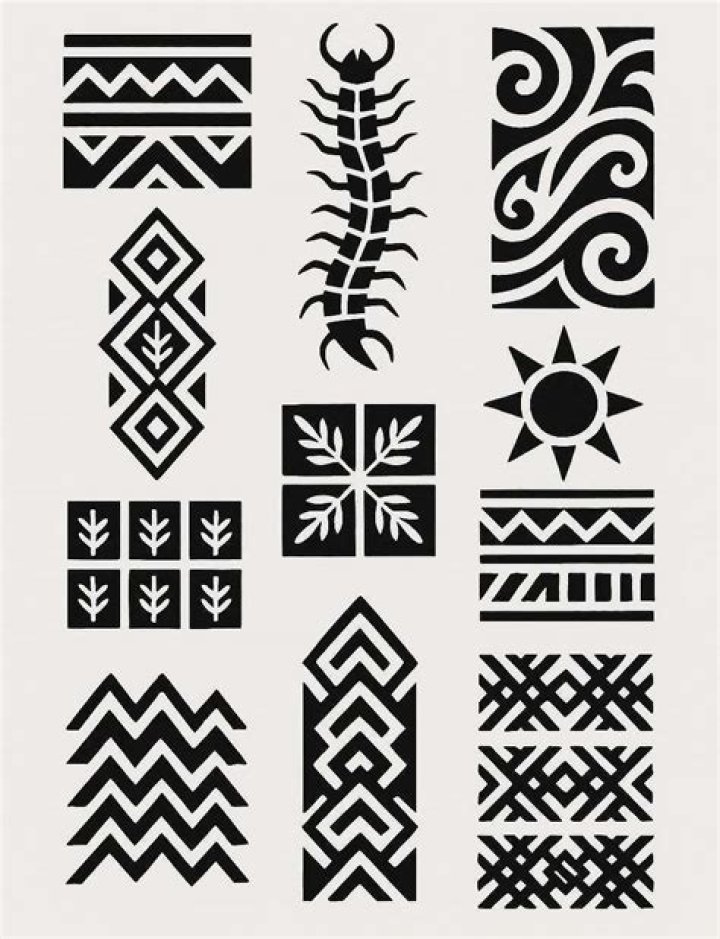
Tribal tattoos have been an integral part of human culture for thousands of years, symbolizing various meanings and beliefs. These ancient designs carry deep cultural significance and are often used to represent personal identity, heritage, and spiritual connections. From the Polynesian islands to the Native American tribes, tribal tattoos have evolved over time but remain steeped in tradition and meaning.
Tribal tattoos are not just decorative body art; they are powerful symbols that tell stories of ancestry, courage, and personal growth. Each design is unique, with intricate patterns that reflect the wearer's cultural background and personal values. In this article, we will explore the fascinating world of tribal tattoo meanings and symbols.
Whether you're considering getting a tribal tattoo or simply interested in learning more about their significance, this guide will provide you with all the information you need. From the history of tribal tattoos to the cultural meanings behind each design, we will uncover the mysteries of this timeless art form.
History of Tribal Tattoos
Tribal tattoos have a rich and storied history that dates back thousands of years. These ancient designs were originally used by indigenous cultures to signify membership in a tribe, mark significant life events, or convey spiritual beliefs. The practice of tattooing can be traced back to various regions around the world, each with its own unique style and meaning.
For example, the Polynesians developed intricate geometric patterns that represented aspects of nature, such as waves, mountains, and animals. Similarly, the Maori people of New Zealand created facial tattoos, known as Ta Moko, to symbolize social status and personal identity. In Native American cultures, tattoos were often used to honor achievements in battle or spiritual experiences.
Over time, tribal tattoos have gained popularity in modern society, with people from all walks of life embracing this form of body art. However, it's important to remember the cultural significance of these designs and approach them with respect and understanding.
Cultural Significance of Tribal Tattoos
Connection to Heritage
Tribal tattoos serve as a powerful connection to one's heritage and cultural identity. For many indigenous peoples, these designs are a way to honor their ancestors and preserve their traditions. By wearing a tribal tattoo, individuals can express their pride in their cultural background and keep their heritage alive.
Spiritual Beliefs
Many tribal tattoos are deeply rooted in spiritual beliefs and practices. In some cultures, tattoos are believed to offer protection, strength, or guidance. For example, certain Polynesian designs are thought to provide spiritual armor against negative energies, while others are used to invoke the power of specific deities.
Social Status
In many tribal societies, tattoos were used to indicate social status or rank within the community. For instance, the Maori Ta Moko tattoos were unique to each individual and reflected their achievements, family lineage, and personal history. Similarly, Native American tattoos often symbolized bravery, leadership, or spiritual awakening.
Meanings of Tribal Tattoo Designs
Each tribal tattoo design carries its own unique meaning, often influenced by the culture or region from which it originates. Below are some common tribal tattoo symbols and their associated meanings:
- Spirals: Represent growth, change, and the cycle of life.
- Circles: Symbolize unity, eternity, and the connection between all living things.
- Triangles: Often associated with strength, balance, and the elements of earth, water, and fire.
- Waves: Reflect the power and unpredictability of the ocean, often used in Polynesian designs.
- Animals: Different animals hold various meanings, such as the eagle symbolizing freedom and the shark representing protection.
Polynesian Tribal Tattoos
Origins and Traditions
Polynesian tribal tattoos originate from the islands of the South Pacific, including Hawaii, Samoa, and Tahiti. These tattoos are characterized by their intricate geometric patterns and deep cultural significance. Polynesian designs often incorporate symbols such as waves, turtles, and sharks, each with its own unique meaning.
Symbolism in Polynesian Tattoos
Polynesian tattoos are rich in symbolism, with each element carefully chosen to convey a specific message. For example, the turtle symbolizes longevity and fertility, while the shark represents protection and strength. These designs are often used to tell the story of the wearer's life and connect them to their cultural roots.
Maori Tribal Tattoos
The Art of Ta Moko
The Maori people of New Zealand are renowned for their traditional facial tattoos, known as Ta Moko. Unlike other tribal tattoos, Ta Moko is carved into the skin rather than being applied with a needle. This process is both painful and deeply symbolic, representing the wearer's identity, achievements, and place within the community.
Meaning Behind Maori Tattoos
Maori tattoos are highly personalized, with each design reflecting the individual's personal history and cultural heritage. The patterns used in Ta Moko often include spirals, curves, and angular shapes, each with its own significance. These tattoos serve as a permanent record of the wearer's life and are considered a sacred form of art.
Native American Tribal Tattoos
Cultural Significance
Native American tribal tattoos are steeped in tradition and spirituality, often used to honor achievements, mark important life events, or convey spiritual beliefs. These designs can vary widely depending on the tribe, with some incorporating animal motifs, geometric patterns, or nature-inspired symbols.
Common Native American Symbols
Some of the most common symbols found in Native American tattoos include the eagle, wolf, bear, and sun. Each of these symbols carries its own meaning, such as the eagle representing freedom and spiritual connection, or the wolf symbolizing loyalty and family.
African Tribal Tattoos
African Tattoo Traditions
African tribal tattoos have a long and varied history, with different regions and tribes developing their own unique styles and meanings. These tattoos often serve as a rite of passage, marking important milestones in a person's life, such as coming of age or marriage.
Symbolism in African Tattoos
African tribal tattoos frequently incorporate symbols related to nature, animals, and spiritual beliefs. For example, the scarification patterns used by some African tribes are believed to enhance beauty and protect against evil spirits. These designs are often passed down through generations, maintaining their cultural significance.
Modern Tribal Tattoos
In recent years, tribal tattoos have gained popularity in mainstream culture, with many people choosing to incorporate these designs into their body art. Modern tribal tattoos often blend traditional styles with contemporary elements, creating unique and personalized designs.
Some individuals choose to get tribal tattoos as a way to express their connection to nature, spirituality, or personal growth. Others may be drawn to the bold, striking patterns and vibrant energy of these ancient designs. Regardless of the reason, modern tribal tattoos continue to evolve, offering endless possibilities for creative expression.
Care Tips for Tribal Tattoos
Proper care is essential for maintaining the vibrancy and longevity of your tribal tattoo. Follow these tips to ensure your tattoo remains bold and beautiful:
- Keep the tattoo clean and moisturized during the healing process.
- Avoid exposing the tattoo to direct sunlight for the first few weeks.
- Use a high-quality tattoo aftercare product to promote healing and prevent fading.
- Consider touch-ups every few years to maintain the tattoo's clarity and color.
Conclusion
Tribal tattoo meanings and symbols are a fascinating aspect of human culture, offering insight into the beliefs, traditions, and values of various indigenous peoples. From the intricate designs of Polynesian tattoos to the sacred art of Maori Ta Moko, these ancient forms of body art continue to inspire and captivate people around the world.
As you consider getting a tribal tattoo, remember to approach this form of art with respect and understanding. Take the time to research the cultural significance of the design you choose and ensure it aligns with your personal values and beliefs. By doing so, you can create a meaningful and lasting connection to your heritage and identity.
We invite you to share your thoughts and experiences with tribal tattoos in the comments below. Have you ever considered getting a tribal tattoo? What design or symbol resonates with you the most? Don't forget to explore our other articles for more insights into the world of tattoos and body art.


