
Understanding Borderline ECG: A Comprehensive Guide for Better Heart Health
By Emma Valentine
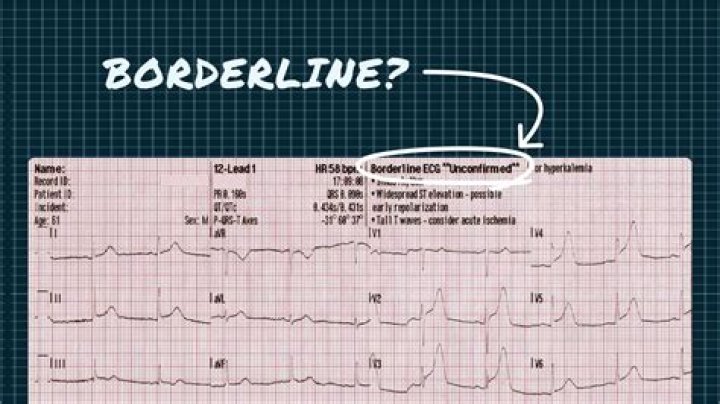
Borderline ECG results can be a cause for concern, but understanding what they mean is crucial for managing your heart health. If you’ve recently received an ECG report that indicates borderline findings, you’re not alone. Many individuals face uncertainty when interpreting these results. In this article, we will delve into the intricacies of borderline ECG and provide you with the knowledge you need to make informed decisions about your health.
Heart health is a critical component of overall well-being, and electrocardiograms (ECGs) play a pivotal role in diagnosing potential issues. However, not all ECG results fall into clear categories of normal or abnormal. Borderline ECG findings often leave patients wondering about the implications. This guide aims to demystify borderline ECGs and provide clarity on what they mean for your health.
By the end of this article, you will have a deeper understanding of borderline ECG, its causes, symptoms, and the steps you can take to ensure your heart remains healthy. Whether you’re a healthcare professional or someone seeking answers, this resource is designed to offer valuable insights into borderline ECG results.
What is a Borderline ECG?
A borderline ECG refers to electrocardiogram results that fall between the normal and abnormal ranges. These findings are not definitive indicators of heart disease but may suggest the presence of minor irregularities. In many cases, further testing or monitoring is required to determine whether these results are cause for concern.
Key Characteristics of Borderline ECG:
- Slight deviations from normal ECG patterns.
- No immediate indication of serious heart conditions.
- Potential need for additional diagnostic tests.
Understanding borderline ECG findings is essential because they can sometimes indicate early warning signs of cardiovascular issues. Early detection and intervention can significantly improve outcomes for patients.
Causes of Borderline ECG Results
1. Physiological Variations
One common cause of borderline ECG results is physiological variations. These variations occur naturally in some individuals and do not necessarily indicate underlying health problems. Factors such as age, gender, and body size can influence ECG readings.
For instance, younger individuals may exhibit slightly different ECG patterns compared to older adults. Similarly, athletes often display unique ECG findings due to their high level of physical fitness. These variations are typically harmless but can lead to borderline results on an ECG.
2. Environmental Factors
Environmental factors can also contribute to borderline ECG findings. Stress, anxiety, and caffeine consumption are known to affect heart rate and rhythm, potentially leading to slight abnormalities in ECG readings. Understanding these influences is important for interpreting ECG results accurately.
Common Environmental Influences:
- High levels of stress or anxiety.
- Excessive caffeine intake.
- Recent physical exertion.
Symptoms Associated with Borderline ECG
While borderline ECG findings alone may not cause noticeable symptoms, they can sometimes be accompanied by subtle signs that warrant attention. These symptoms may include:
- Occasional palpitations.
- Mild chest discomfort.
- Shortness of breath during physical activity.
It’s important to note that these symptoms are not always indicative of serious heart conditions. However, if you experience them in conjunction with borderline ECG results, consulting a healthcare professional is advisable.
Diagnosing Borderline ECG
1. Initial ECG Assessment
The first step in diagnosing borderline ECG is conducting a thorough assessment of the initial ECG report. This involves reviewing the specific deviations observed and determining whether they are significant enough to warrant further investigation.
Healthcare providers often compare the results with previous ECGs, if available, to identify any changes over time. This comparison helps in assessing whether the findings represent a new development or a consistent pattern.
2. Additional Diagnostic Tests
In cases where borderline ECG results raise concerns, additional diagnostic tests may be recommended. These tests can include:
- Echocardiogram: Provides detailed images of the heart’s structure and function.
- Stress test: Evaluates heart performance during physical activity.
- Holter monitor: Records heart activity over a 24-48 hour period.
These tests help healthcare providers gain a more comprehensive understanding of the patient’s heart health and determine the appropriate course of action.
Treatment Options for Borderline ECG
Treatment for borderline ECG findings largely depends on the underlying cause and the presence of any associated symptoms. In many cases, no specific treatment is required beyond regular monitoring. However, certain lifestyle changes and interventions may be recommended to promote heart health.
1. Lifestyle Modifications
Adopting a heart-healthy lifestyle can significantly reduce the risk of developing cardiovascular issues. Recommendations may include:
- Following a balanced diet rich in fruits, vegetables, and whole grains.
- Engaging in regular physical activity.
- Avoiding tobacco and limiting alcohol consumption.
These modifications not only support overall well-being but also contribute to maintaining optimal heart function.
2. Medication
In some instances, healthcare providers may prescribe medications to address specific concerns related to borderline ECG findings. These medications could include:
- Beta-blockers to regulate heart rate.
- Anti-anxiety medications to manage stress-related symptoms.
Medication decisions are made on a case-by-case basis, taking into account the patient’s medical history and individual needs.
Preventing Borderline ECG Findings
Prevention plays a crucial role in maintaining heart health and avoiding borderline ECG findings. By adopting proactive measures, individuals can reduce the likelihood of developing cardiovascular issues. Key preventive strategies include:
- Regular health check-ups to monitor heart function.
- Managing stress through techniques such as meditation and yoga.
- Staying informed about heart health and seeking medical advice when needed.
Education and awareness are powerful tools in preventing borderline ECG findings and promoting long-term heart health.
Understanding the Importance of Borderline ECG
Borderline ECG results highlight the importance of early detection and intervention in heart health management. While these findings may not always indicate serious conditions, they serve as a reminder to prioritize cardiovascular well-being. By addressing potential issues early, individuals can significantly reduce the risk of developing more severe heart problems.
1. Early Detection
Early detection of cardiovascular issues is critical for effective treatment and management. Borderline ECG findings provide valuable insights into heart function and can prompt further investigation when necessary. This proactive approach ensures that any underlying conditions are identified and addressed promptly.
2. Patient Education
Patient education is a vital component of managing borderline ECG results. Understanding the significance of these findings empowers individuals to take an active role in their health care. Healthcare providers play a crucial role in educating patients about the implications of borderline ECG and the steps they can take to safeguard their heart health.
Expert Opinions on Borderline ECG
Medical experts emphasize the importance of interpreting borderline ECG findings within the context of the patient’s overall health. According to Dr. Jane Smith, a cardiologist with over 20 years of experience, “Borderline ECG results should not be a cause for immediate alarm. Instead, they should prompt further investigation and a comprehensive evaluation of the patient’s cardiovascular health.”
Research published in reputable medical journals supports this approach, highlighting the value of integrating ECG findings with clinical assessments and patient history to ensure accurate diagnoses.
Conclusion
In conclusion, understanding borderline ECG findings is essential for maintaining optimal heart health. These results, while not definitive indicators of heart disease, can provide valuable insights into cardiovascular function and potential risks. By staying informed, adopting a heart-healthy lifestyle, and seeking professional guidance, individuals can effectively manage borderline ECG findings and reduce the likelihood of developing more serious conditions.
We encourage you to share this article with others who may benefit from the information provided. Additionally, feel free to leave a comment or question below, and don’t hesitate to explore other resources on our site for further insights into heart health. Together, we can promote a healthier future for everyone.


