
Understanding FDA Recalls on Antidepressants: What You Need to Know
By Mia Phillips
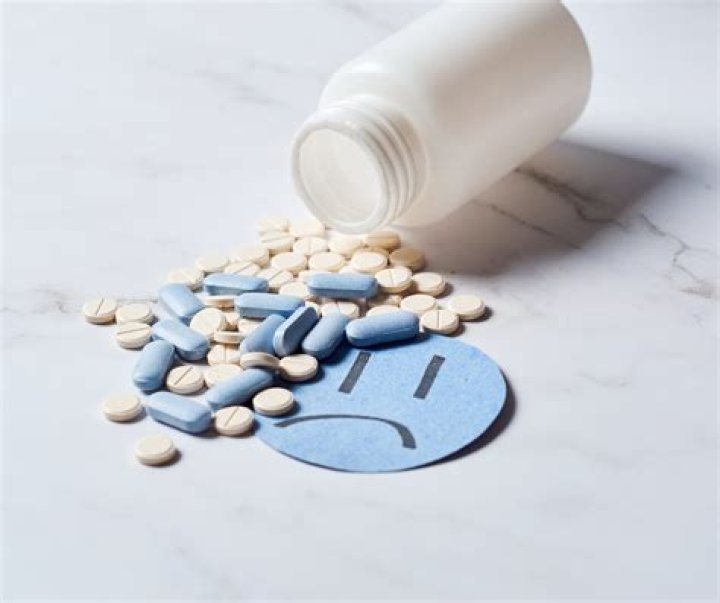
Antidepressants are among the most prescribed medications globally, offering relief to millions of individuals suffering from depression and anxiety disorders. However, recent FDA recalls on antidepressants have raised concerns about their safety and efficacy. This article aims to provide a comprehensive overview of these recalls, their implications, and what patients should do to stay informed and safe.
The Food and Drug Administration (FDA) plays a crucial role in ensuring the safety and effectiveness of medications. When the FDA issues a recall, it signals potential risks that consumers need to be aware of. In this case, antidepressant recalls have sparked discussions about the quality control and monitoring processes involved in drug manufacturing and distribution.
As a patient or caregiver, staying updated on these recalls is essential. This article will delve into the reasons behind the recalls, the specific antidepressants affected, and the steps you can take to protect your health. By the end, you'll have a clearer understanding of the situation and how to navigate it responsibly.
The FDA Recall Process: How It Works
The FDA recall process is a systematic procedure designed to address issues with medications that may pose risks to consumers. When a drug is identified as potentially harmful, the FDA initiates a recall to remove it from the market or correct its labeling.
Initiating a Recall
A recall can be initiated by the manufacturer or the FDA itself. Manufacturers often voluntarily recall products after discovering defects or potential hazards. The FDA may also mandate a recall if it determines that a product poses an unacceptable risk to public health.
Classifying Recalls
Recalls are classified into three categories based on the severity of the risk:
- Class I: The most serious type, indicating a high probability of causing serious health problems or death.
- Class II: Involves products that may cause temporary or reversible health issues.
- Class III: Represents the least severe category, where the product is unlikely to cause adverse health effects but violates FDA labeling or manufacturing regulations.
Types of Recalls: Understanding the Differences
Recalls can vary in nature, depending on the specific issue identified. Understanding these differences is crucial for patients and healthcare providers alike.
Voluntary vs. Mandatory Recalls
Voluntary recalls occur when manufacturers take proactive steps to address issues with their products. In contrast, mandatory recalls are enforced by the FDA when manufacturers fail to act appropriately. Both types aim to protect consumers from potential harm.
Market Withdrawals
Sometimes, manufacturers opt for market withdrawals instead of formal recalls. These actions involve removing products from the market due to minor issues that do not pose significant health risks.
Antidepressants Involved in FDA Recalls
Several antidepressants have been affected by recent FDA recalls. These medications are commonly prescribed for treating depression, anxiety, and other mood disorders. Below is a list of some of the antidepressants involved:
- Selective Serotonin Reuptake Inhibitors (SSRIs)
- Serotonin-Norepinephrine Reuptake Inhibitors (SNRIs)
- Tricyclic Antidepressants (TCAs)
Each of these classes of antidepressants has unique properties and potential side effects. It's important for patients to consult their healthcare providers if they are taking any of these medications.
Reasons Behind FDA Recalls on Antidepressants
The reasons for antidepressant recalls can vary widely. Below are some common causes:
Contamination During Manufacturing
Contaminated batches of medication can lead to recalls. This may occur due to improper sterilization, exposure to harmful substances, or inadequate quality control measures during production.
Labeling Errors
Misleading or incomplete labeling can result in recalls. Patients may receive incorrect dosage instructions or fail to be warned about potential side effects, increasing the risk of adverse reactions.
Adverse Reactions
Some antidepressants may cause unexpected side effects that were not identified during clinical trials. When these issues are reported, the FDA may initiate a recall to prevent further harm.
Impact of Recalls on Patients
FDA recalls on antidepressants can have significant implications for patients. Below are some of the key impacts:
Disruption in Treatment
Patients who rely on recalled medications may face disruptions in their treatment plans. Finding suitable alternatives can be challenging, especially for those with severe mental health conditions.
Psychological Effects
The uncertainty surrounding recalls can cause anxiety and stress among patients. Trust in medication safety may be shaken, leading to increased concerns about treatment efficacy.
Financial Burden
Switching medications or undergoing additional medical evaluations can impose financial burdens on patients. This is particularly problematic for those without adequate insurance coverage.
Steps Patients Should Take in Response to Recalls
When faced with an FDA recall, patients should take the following steps to ensure their safety:
Contact Your Healthcare Provider
Reach out to your doctor or pharmacist immediately to discuss the recall and determine the best course of action. They can provide guidance on whether to discontinue the medication or switch to an alternative.
Monitor for Side Effects
Pay close attention to any new or worsening symptoms. Report these promptly to your healthcare provider, as they may indicate adverse reactions to the medication.
Stay Informed
Regularly check the FDA website and other reliable sources for updates on recalls and related information. Staying informed helps you make informed decisions about your health.
Long-Term Effects of Antidepressant Recalls
The long-term effects of antidepressant recalls can extend beyond individual patients. Below are some broader implications:
Impact on Public Trust
Recalls may erode public trust in pharmaceutical companies and regulatory agencies. Rebuilding this trust requires transparency and accountability from all stakeholders.
Advancements in Drug Safety
Recalls often lead to improvements in drug safety protocols. Manufacturers may implement stricter quality control measures, while regulatory agencies may enhance their oversight processes.
Research and Development
Increased scrutiny following recalls can drive innovation in research and development. Pharmaceutical companies may invest more in testing and evaluating new medications to ensure their safety and efficacy.
Exploring Alternatives to Antidepressants
For patients affected by recalls, exploring alternative treatments is essential. Below are some options to consider:
Psychotherapy
Talking therapies, such as cognitive-behavioral therapy (CBT) and interpersonal therapy (IPT), can be effective in managing depression and anxiety. These approaches focus on addressing the root causes of mental health issues.
Lifestyle Changes
Adopting healthier lifestyle habits, such as regular exercise, balanced nutrition, and adequate sleep, can positively impact mental well-being. These changes can complement or even replace medication in some cases.
Natural Supplements
Some individuals find relief through natural supplements like St. John's Wort, omega-3 fatty acids, and SAM-e. However, it's important to consult a healthcare provider before using these alternatives, as they may interact with other medications.
Conclusion
FDA recalls on antidepressants highlight the importance of vigilance in ensuring medication safety. By understanding the recall process, identifying the reasons behind these actions, and taking appropriate steps, patients can protect their health and well-being.
We encourage you to share this article with others who may benefit from the information provided. If you have any questions or insights, feel free to leave a comment below. Additionally, explore our other articles for more in-depth discussions on mental health and medication safety.
Sources:
- U.S. Food and Drug Administration (FDA) - https://www.fda.gov/
- World Health Organization (WHO) - https://www.who.int/
- National Institute of Mental Health (NIMH) - https://www.nimh.nih.gov/


