Understanding Gateway: The Key to Seamless Network Connectivity
By Matthew Harrington
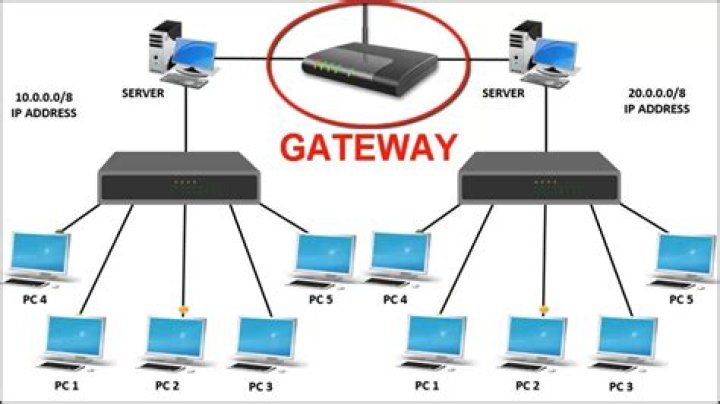
In today's interconnected digital world, the concept of a gateway plays a pivotal role in ensuring smooth communication between different networks. A gateway acts as a bridge, facilitating the flow of data and information between various systems. Whether it's enabling devices to connect to the internet or allowing different networks to communicate, gateways are indispensable in modern technology infrastructure.
From small home networks to large enterprise systems, gateways serve as vital components that manage data transfer and ensure secure communication. As technology evolves, the role of gateways has expanded beyond basic routing to include advanced functionalities such as firewalls, encryption, and protocol translation. Understanding gateways is essential for anyone looking to optimize their network performance.
In this comprehensive guide, we will delve deep into the world of gateways, exploring their functions, types, and applications. Whether you're a network administrator, a tech enthusiast, or simply someone curious about how networks work, this article will provide valuable insights into the role and importance of gateways in modern technology. Let's begin by exploring what exactly a gateway is and why it matters in today's digital landscape.
What is a Gateway?
A gateway is a hardware or software device that acts as a bridge between two networks using different protocols. It facilitates communication by translating data formats and ensuring compatibility between disparate systems. Unlike routers, which primarily forward data packets, gateways perform more complex tasks such as protocol conversion and data encryption.
In a typical network setup, a gateway serves as the entry and exit point for data. For example, in a home network, the gateway is usually the router provided by the internet service provider (ISP), enabling devices to connect to the internet. In enterprise environments, gateways can be more sophisticated, incorporating firewalls, load balancers, and other security features.
Types of Gateways
1. Internet Gateway
Internet gateways connect local networks to the global internet. They handle the translation of IP addresses and manage data traffic between internal and external networks.
2. Protocol Gateway
Protocol gateways are designed to translate between different communication protocols, enabling devices with incompatible protocols to communicate seamlessly. Examples include SIP gateways for voice over IP (VoIP) and MQTT gateways for IoT devices.
3. Payment Gateway
Payment gateways are specialized gateways used in e-commerce to facilitate secure transactions between merchants and customers. They encrypt sensitive data and ensure compliance with industry standards such as PCI DSS.
How Gateways Work
Gateways operate by receiving data from one network, translating it into a format compatible with another network, and then forwarding it to its destination. This process involves several steps:
- Data reception: The gateway receives data packets from the source network.
- Protocol translation: It converts the data format to match the requirements of the destination network.
- Data forwarding: The translated data is then sent to the destination network.
This seamless translation ensures that devices on different networks can communicate without any compatibility issues.
Importance of Gateways
Gateways are critical components in modern networking infrastructure for several reasons:
- Facilitate communication between different networks.
- Enhance security through encryption and firewall capabilities.
- Optimize data flow and improve network performance.
- Enable interoperability between devices with varying protocols.
Without gateways, it would be challenging for diverse systems to interact, leading to fragmented communication and reduced efficiency.
Gateway in Networking
In networking, a gateway is often the default route for data packets leaving a local network. It acts as the intermediary between internal devices and external networks, ensuring that data is routed correctly. Network administrators configure gateways to manage traffic, prioritize data, and implement security policies.
Key Functions of Gateways in Networking
- IP routing: Directs data packets to their intended destinations.
- Network address translation (NAT): Converts private IP addresses to public ones for internet communication.
- Firewall protection: Filters incoming and outgoing traffic to prevent unauthorized access.
Security Features of Gateways
Security is a critical aspect of gateway functionality, especially in environments where sensitive data is transmitted. Modern gateways incorporate advanced security features such as:
- Data encryption: Protects information from interception and unauthorized access.
- Intrusion detection: Monitors network activity for suspicious behavior and potential threats.
- Access control: Restricts unauthorized access to network resources.
These features ensure that data remains secure as it travels across networks, reducing the risk of cyberattacks and data breaches.
Gateway Protocols
Gateways rely on various protocols to facilitate communication between networks. Some of the most commonly used protocols include:
- HTTP/HTTPS: For web-based communication.
- TCP/IP: For internet communication.
- SIP: For voice and video communication over IP networks.
Each protocol serves a specific purpose, enabling gateways to handle different types of data and ensure seamless interaction between systems.
Applications of Gateways
Gateways find applications in a wide range of industries and use cases:
- IoT Gateways: Enable communication between IoT devices and cloud platforms.
- VoIP Gateways: Facilitate voice communication over IP networks.
- Payment Gateways: Securely process online transactions in e-commerce.
These applications demonstrate the versatility and importance of gateways in modern technology ecosystems.
Common Issues with Gateways
While gateways are essential for network communication, they can sometimes encounter issues that affect performance. Common problems include:
- Connection failures: Caused by misconfigured settings or hardware issues.
- Security vulnerabilities: Resulting from outdated software or weak encryption.
- Bandwidth limitations: Leading to slow data transfer and network congestion.
Regular maintenance and updates are crucial to addressing these issues and ensuring optimal gateway performance.
The Future of Gateways
As technology continues to evolve, the role of gateways is expected to expand further. Emerging trends such as 5G, edge computing, and artificial intelligence will drive the development of more advanced gateway solutions. Future gateways are likely to feature:
- Enhanced security features to combat sophisticated cyber threats.
- Improved processing capabilities for handling large volumes of data.
- Integration with AI for intelligent traffic management and threat detection.
These advancements will ensure that gateways remain at the forefront of network innovation, enabling seamless communication in an increasingly connected world.
Conclusion
In conclusion, gateways are indispensable components in modern networking infrastructure, facilitating communication between different networks and ensuring secure data transfer. Understanding their functions, types, and applications is crucial for anyone involved in network management or technology development.
We encourage you to share your thoughts and experiences with gateways in the comments below. Additionally, feel free to explore other articles on our site for more insights into networking and technology. Together, let's continue to explore the ever-evolving world of digital connectivity!
References:
- https://www.cisco.com/c/en/us/products/routers/what-is-a-gateway.html
- https://www.networkworld.com/article/3279350/what-is-a-gateway-everything-you-need-to-know.html
- https://www.ibm.com/docs/en/ibm-mq/9.2?topic=overview-what-gateway