
Understanding OSHA: Your Comprehensive Guide to Workplace Safety
By Emma Valentine
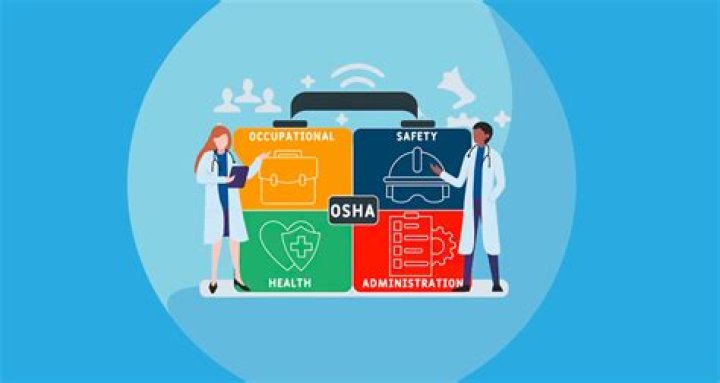
Occupational Safety and Health Administration (OSHA) plays a crucial role in safeguarding workers' rights and ensuring safe working environments across the United States. Established under the Occupational Safety and Health Act of 1970, OSHA sets and enforces protective workplace safety and health standards. Its mission is to save lives, prevent injuries, and protect the health of America's workers.
As a regulatory body, OSHA ensures employers provide their employees with a workplace free from recognized hazards that could cause serious harm or death. Through inspections, investigations, and enforcement actions, OSHA strives to improve workplace safety conditions for millions of workers nationwide.
This article explores the significance of OSHA, its history, key regulations, compliance requirements, and the benefits it brings to both employers and employees. Whether you're an employer seeking to understand your obligations or an employee looking to learn about your rights, this guide will provide valuable insights into OSHA's role in promoting workplace safety.
History of OSHA
OSHA was established in 1970 through the Occupational Safety and Health Act, which was signed into law by President Richard Nixon. This landmark legislation aimed to address the growing concern over workplace injuries and fatalities in the United States. At the time, thousands of workers were dying annually due to unsafe working conditions, and millions more suffered from work-related illnesses and injuries.
The creation of OSHA marked a significant shift in how workplace safety was addressed. Prior to its establishment, there were no comprehensive federal regulations governing workplace safety. OSHA's formation provided a much-needed framework for protecting workers and holding employers accountable for maintaining safe working environments.
Key Milestones in OSHA's History
- 1971: OSHA begins operations and establishes its first set of safety standards.
- 1983: OSHA introduces the Hazard Communication Standard, mandating that employers inform workers about hazardous chemicals in the workplace.
- 2003: OSHA launches its Safety and Health Achievement Recognition Program (SHARP) to recognize small businesses with exemplary safety practices.
Mission and Objectives
The primary mission of OSHA is to ensure safe and healthful working conditions for workers by setting and enforcing standards and by providing training, outreach, education, and assistance. OSHA's objectives revolve around reducing workplace hazards, enforcing compliance with safety regulations, and promoting safety awareness.
Through its programs and initiatives, OSHA aims to create a culture of safety in which employers and employees work together to identify and mitigate potential risks. By fostering this collaborative approach, OSHA seeks to reduce the incidence of workplace injuries, illnesses, and fatalities.
OSHA Standards and Compliance
OSHA standards are regulations that employers must follow to ensure a safe and healthy workplace. These standards cover a wide range of industries and hazards, including construction, general industry, maritime, and agriculture. Employers are required to comply with these standards to protect their workers from potential dangers.
Some of the most commonly cited OSHA standards include those related to fall protection, hazard communication, respiratory protection, and electrical safety. Compliance with these standards is mandatory, and failure to adhere to them can result in significant penalties.
Types of OSHA Standards
- General Industry Standards: Applicable to most industries and cover topics such as machine guarding, lockout/tagout, and personal protective equipment (PPE).
- Construction Standards: Specific to the construction industry and address hazards such as scaffolding, ladders, and excavation.
- Maritime Standards: Designed for the maritime industry and include regulations for shipyards, marine terminals, and longshoring.
Inspection Process
OSHA conducts inspections to ensure employers are complying with safety and health standards. Inspections can be triggered by various factors, including employee complaints, referrals from other agencies, or high-hazard industries. During an inspection, OSHA compliance officers evaluate the workplace for potential hazards and assess whether the employer is meeting regulatory requirements.
Inspections typically involve a walkthrough of the facility, interviews with employees, and a review of relevant documents. If violations are found, OSHA may issue citations and impose penalties. Employers have the right to contest these citations, but they must address the identified issues promptly.
Employee Rights Under OSHA
Under OSHA, employees have the right to work in a safe and healthful environment. They can file complaints with OSHA if they believe their employer is violating safety standards or putting them at risk. Employees also have the right to request an inspection and participate in the inspection process.
Additionally, employees are protected from retaliation for exercising their rights under OSHA. Employers cannot punish or discriminate against workers who report unsafe conditions or file complaints. This protection ensures that employees feel empowered to speak up without fear of retribution.
Key Employee Rights
- The right to file a confidential complaint with OSHA.
- The right to receive information and training about workplace hazards.
- The right to request an inspection if they believe their workplace is unsafe.
Importance of OSHA Training
OSHA training is essential for both employers and employees to ensure compliance with safety standards and promote a culture of safety. Training programs cover a wide range of topics, including hazard recognition, safe work practices, and emergency preparedness. By participating in these programs, workers gain the knowledge and skills necessary to identify and mitigate potential risks.
OSHA offers various training options, including the OSHA Outreach Training Program, which provides workers with 10- or 30-hour courses on general safety and health hazards. Employers can also develop customized training programs tailored to their specific industry and workplace needs.
Common OSHA Violations
Despite OSHA's efforts to promote workplace safety, violations continue to occur. Some of the most common OSHA violations include inadequate fall protection, improper use of ladders, and failure to provide proper hazard communication. These violations often result from a lack of awareness or disregard for safety regulations.
Employers can avoid violations by conducting regular safety audits, providing adequate training, and maintaining open lines of communication with employees. Addressing potential hazards proactively can help prevent accidents and ensure compliance with OSHA standards.
Top OSHA Violations in 2023
- Fall Protection – General Requirements
- Hazard Communication Standard
- Respiratory Protection
Benefits of OSHA Compliance
Compliance with OSHA standards offers numerous benefits for both employers and employees. For employers, compliance can lead to reduced costs associated with workplace injuries and illnesses, improved productivity, and enhanced reputation. Employees, on the other hand, benefit from a safer working environment, reduced risk of injury, and greater peace of mind.
Studies have shown that workplaces that prioritize safety and health experience fewer accidents and illnesses, resulting in lower workers' compensation costs and fewer absences. Furthermore, a strong safety culture can improve employee morale and job satisfaction, leading to higher retention rates and better overall performance.
Challenges Facing OSHA
Despite its successes, OSHA faces several challenges in its mission to promote workplace safety. One of the primary challenges is limited resources, which can hinder the agency's ability to conduct inspections and enforce compliance. Additionally, the constantly evolving nature of workplaces and emerging hazards requires OSHA to continuously update its standards and regulations.
Another challenge is resistance from some employers who view OSHA regulations as burdensome or unnecessary. Addressing these challenges requires collaboration between OSHA, employers, and employees to create a shared commitment to safety and health.
The Future of OSHA
As workplaces continue to evolve, OSHA will need to adapt to address new and emerging hazards. This may involve updating existing standards, developing new regulations, and leveraging technology to enhance safety practices. OSHA's focus on prevention, education, and collaboration will remain central to its mission in the years to come.
Looking ahead, OSHA will likely place greater emphasis on addressing mental health and ergonomic issues in the workplace, as well as expanding its outreach efforts to reach more workers and employers. By staying proactive and responsive to changing workplace conditions, OSHA can continue to play a vital role in protecting workers' rights and promoting safety.
Conclusion
In summary, OSHA plays a critical role in ensuring safe and healthful working conditions for millions of workers across the United States. Through its standards, inspections, and training programs, OSHA helps reduce workplace hazards and protect workers' rights. By understanding OSHA's mission, requirements, and benefits, employers and employees can work together to create safer, more productive workplaces.
We encourage you to take action by reviewing your workplace safety practices, participating in OSHA training programs, and staying informed about OSHA regulations. Share this article with your colleagues and explore other resources on our site to further enhance your knowledge of workplace safety. Together, we can make a difference in promoting safer workplaces for all.


