
Understanding Prepubescence: A Comprehensive Guide for Parents and Guardians
By Michael Gray
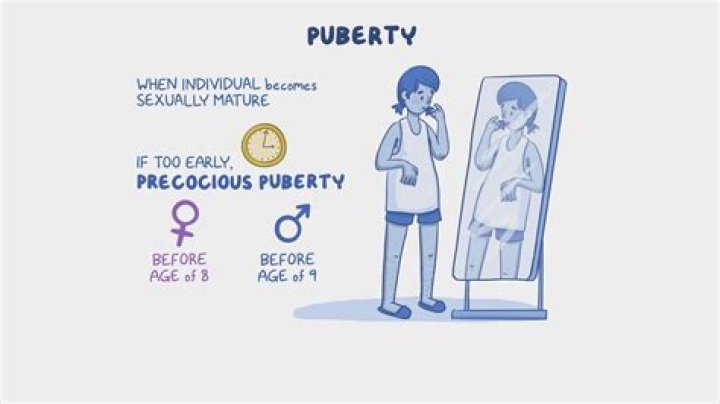
Prepubescence is a crucial phase in a child's life, marking the transition from childhood to adolescence. It is the period where physical, emotional, and psychological changes begin to take shape, preparing the child for puberty. This stage can be both exciting and challenging for both children and their parents. Understanding prepubescence can help parents navigate this period effectively and support their children through the changes they are about to experience.
As children approach their teenage years, they undergo various transformations that can affect their behavior, mood, and overall development. Prepubescence is the foundation for these changes, and recognizing its signs and symptoms can allow parents to provide the necessary guidance and reassurance to their children.
This article aims to provide a detailed and informative overview of prepubescence, addressing common concerns, offering practical advice, and equipping parents with the knowledge they need to support their children during this transformative phase. Let's dive into the world of prepubescence and explore what it entails.
What is Prepubescence?
Prepubescence refers to the stage in a child's life that precedes puberty, typically occurring between the ages of 8 and 14. During this period, children experience gradual physical, emotional, and psychological changes that prepare them for the onset of puberty. While puberty involves more pronounced developmental milestones, prepubescence sets the stage for these transformations.
Understanding prepubescence is essential for parents because it allows them to anticipate and address the challenges their children may face. This stage is characterized by subtle yet significant changes in a child's body and mind, making it a critical period for parental guidance and support.
Key Takeaways:
- Prepubescence occurs before puberty and lays the groundwork for developmental changes.
- It typically begins between the ages of 8 and 14, depending on the individual.
- Parents play a vital role in helping their children navigate this phase.
Biological Changes During Prepubescence
Growth Spurts
One of the most noticeable biological changes during prepubescence is the onset of growth spurts. Children may experience rapid height increases, which can lead to awkwardness in movement and coordination. This is a normal part of development and usually subsides as the body adjusts to its new proportions.
Hormonal Fluctuations
Hormonal changes are a hallmark of prepubescence. The body begins to produce higher levels of hormones such as estrogen in girls and testosterone in boys, which trigger physical and emotional transformations. These hormonal fluctuations can affect mood, energy levels, and overall well-being.
Secondary Sexual Characteristics
While secondary sexual characteristics like breast development in girls and voice deepening in boys are more prominent during puberty, their early signs may appear during prepubescence. Parents should be aware of these changes and discuss them openly with their children to reduce anxiety and confusion.
Emotional Impact of Prepubescence
Prepubescence is not only a time of physical transformation but also an emotional journey. Children may experience mood swings, heightened sensitivity, and a growing desire for independence. These emotional shifts are often linked to hormonal changes and the increasing awareness of social dynamics.
Parents can help their children navigate these emotions by fostering open communication and providing emotional support. Encouraging children to express their feelings and validating their experiences can strengthen the parent-child bond during this period.
Signs of Prepubescence
Recognizing the signs of prepubescence is crucial for parents who want to stay informed about their child's development. Some common indicators include:
- Increased height and weight gain
- Changes in body odor
- Development of fine body hair
- Emotional volatility
- Interest in peer relationships
By being attentive to these signs, parents can better prepare themselves and their children for the challenges ahead.
Diet and Nutrition During Prepubescence
A balanced diet is essential during prepubescence to support the rapid growth and development that occurs during this phase. Children need adequate intake of nutrients such as calcium, vitamin D, iron, and protein to ensure healthy bone and muscle development.
Tips for Promoting Healthy Eating Habits:
- Encourage the consumption of whole grains, fruits, and vegetables.
- Limit sugary and processed foods.
- Ensure proper hydration through water intake.
- Model healthy eating habits as a family.
The Role of Parents in Prepubescence
Parents play a pivotal role in guiding their children through prepubescence. They can provide emotional support, educational resources, and practical advice to help their children adjust to the changes they are experiencing. Open communication and a non-judgmental attitude are key to fostering trust and understanding during this period.
Subheading: Creating a Supportive Environment
Creating a supportive environment involves more than just addressing physical changes. It also means being attentive to a child's emotional needs, encouraging self-expression, and promoting a positive self-image. Parents should strive to create a safe space where their children feel comfortable sharing their thoughts and concerns.
Common Concerns About Prepubescence
Many parents have concerns about prepubescence, ranging from physical changes to social pressures. Addressing these concerns proactively can alleviate anxiety and promote a smoother transition for both parents and children. Some common questions include:
- Is my child developing at a normal pace?
- How can I help my child manage peer pressure?
- What are the signs of emotional distress during prepubescence?
Consulting healthcare professionals and reputable resources can provide valuable insights into these concerns.
Health Issues During Prepubescence
While prepubescence is generally a healthy phase, some children may experience health issues related to their rapid growth and hormonal changes. Common concerns include:
- Acne
- Sleep disturbances
- Eating disorders
Parents should monitor their child's health closely and seek medical advice if any issues arise. Early intervention can prevent more serious complications down the line.
Building a Support Network
Building a support network is essential for both parents and children during prepubescence. This network can include family members, teachers, healthcare providers, and other parents who are going through similar experiences. Sharing knowledge and resources can enhance the overall support system and provide valuable perspectives.
Effective Communication Tips
Effective communication is the cornerstone of a successful parent-child relationship during prepubescence. Here are some tips for fostering open and honest dialogue:
- Listen actively and empathetically.
- Avoid judgment or criticism when discussing sensitive topics.
- Encourage questions and provide age-appropriate answers.
- Use real-life examples to explain complex concepts.
Conclusion
Prepubescence is a transformative phase in a child's life that requires understanding, patience, and support from parents. By recognizing the signs, addressing common concerns, and promoting healthy habits, parents can help their children navigate this period with confidence and resilience.
We encourage you to share your thoughts and experiences in the comments section below. Your feedback can provide valuable insights for other parents and guardians. Additionally, feel free to explore our other articles for more information on child development and parenting strategies.
Remember, every child is unique, and their journey through prepubescence will be equally distinctive. Embrace this phase with curiosity and compassion, and cherish the opportunity to guide your child toward a brighter future.


