
Unleashing the Power of Greyhounds: A Comprehensive Guide to Understanding the Breed
By Andrew Thornton
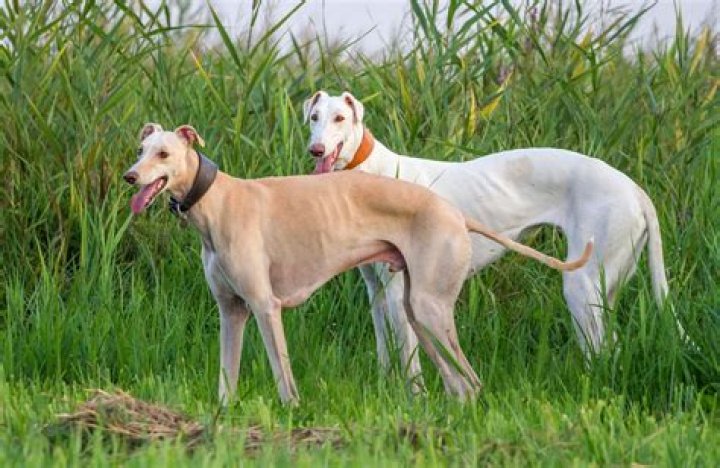
Greyhounds are one of the most elegant and fascinating dog breeds in the world. Known for their incredible speed and graceful physique, these dogs have captured the hearts of many dog enthusiasts. While they are often associated with racing, greyhounds are also beloved family pets due to their gentle and affectionate nature. If you're considering bringing a greyhound into your life or simply want to learn more about this remarkable breed, this article will provide you with everything you need to know.
From their rich history as hunting dogs to their current status as racing athletes and loyal companions, greyhounds have a storied past. Their unique physical characteristics and gentle temperament make them stand out among other breeds. Whether you're a seasoned dog owner or a first-time pet parent, understanding the nuances of greyhound care and behavior is essential for providing the best life possible for these dogs.
Throughout this article, we'll explore various aspects of greyhounds, including their history, physical traits, temperament, health, grooming needs, and much more. By the end, you'll have a deeper appreciation for this incredible breed and be equipped with the knowledge to make an informed decision about adopting or caring for a greyhound.
The Fascinating History of Greyhounds
Origins and Ancient Roots
Greyhounds have a history that dates back thousands of years, with evidence of their existence found in ancient Egyptian tombs dating to around 4,000 B.C. These dogs were revered by the pharaohs and considered sacred. Their sleek, aerodynamic build made them ideal for hunting fast prey like hares and deer.
From Egypt, the breed spread to Europe, where it became a favorite of royalty and nobility. Greyhounds were often depicted in medieval art and literature, symbolizing elegance and nobility. In England, the Forest Laws of the 11th century even restricted ownership of greyhounds to the upper class, further cementing their status as a prestigious breed.
The Transition to Modern Times
By the 19th century, greyhounds had transitioned from primarily being hunting dogs to becoming racing athletes. The sport of greyhound racing gained popularity in the United Kingdom and later spread to the United States and other countries. While racing remains a significant part of greyhound culture, many retired racers now find new homes as beloved pets.
Today, greyhounds are celebrated not only for their speed but also for their gentle and loving personalities, making them a popular choice for families and individuals alike.
Physical Characteristics of Greyhounds
Size and Weight
Greyhounds are a large breed, with males typically standing 28-30 inches tall at the shoulder and weighing between 65-85 pounds. Females are slightly smaller, usually measuring 27-28 inches and weighing 50-65 pounds. Despite their size, greyhounds are known for their agility and grace, which allow them to reach speeds of up to 45 miles per hour.
Coat and Colors
Greyhounds have a short, smooth coat that comes in a variety of colors, including:
- Brindle
- Black
- White
- Blue (gray)
- Fawn
- Red
Their sleek coat is easy to maintain, requiring minimal grooming. However, their thin fur makes them more susceptible to cold weather, so providing them with a warm coat or sweater during colder months is essential.
Understanding Greyhound Temperament
Greyhounds are often misunderstood as being high-energy dogs due to their speed and association with racing. In reality, they are surprisingly laid-back and enjoy lounging around the house. Here are some key traits of greyhound temperament:
- Gentle and affectionate
- Calm and quiet indoors
- Good with children and other pets
- Sensitive and responsive to their owner's emotions
While they may require short bursts of exercise, greyhounds are content to spend most of their day relaxing on the couch. This makes them an excellent choice for apartment living, as long as they receive regular walks and playtime.
Greyhound Health: Common Issues and Prevention
Common Health Concerns
Greyhounds are generally a healthy breed, but like all dogs, they can be prone to certain health issues. Some of the most common health concerns in greyhounds include:
- Bone cancer (osteosarcoma)
- Hypothyroidism
- Gastric dilatation-volvulus (bloat)
- Dental issues
Preventive Care
To ensure your greyhound lives a long and healthy life, regular veterinary check-ups are crucial. A balanced diet, proper exercise, and good dental hygiene can help prevent many common health issues. Additionally, greyhounds should be monitored for signs of bloat, which can be life-threatening if not treated promptly.
Nutritional Needs for Greyhounds
Providing a greyhound with a balanced and nutritious diet is essential for maintaining their overall health and well-being. Here are some key considerations:
- High-quality protein sources, such as chicken, beef, or fish
- Carbohydrates for energy, like brown rice or sweet potatoes
- Omega-3 fatty acids for healthy skin and coat
- Avoidance of toxic foods, such as chocolate, grapes, and onions
Retired racing greyhounds may have different dietary needs compared to those raised as pets from puppyhood. Consulting with a veterinarian can help tailor a diet plan specific to your greyhound's needs.
Grooming and Maintenance Tips
Greyhounds require minimal grooming due to their short coat, but regular care is still necessary. Here are some tips:
- Brush their coat weekly to remove loose hair and distribute natural oils
- Check their ears regularly for signs of infection or wax buildup
- Trim their nails as needed to prevent overgrowth
- Brush their teeth daily to promote good dental health
While greyhounds shed moderately, their smooth coat makes it easy to manage. A quick wipe-down with a damp cloth can help keep their coat shiny and clean.
Exercise and Activity Requirements
Short Bursts of Energy
Despite their reputation as racing dogs, greyhounds do not require constant exercise. They thrive on short bursts of activity, such as a sprint in the yard or a trip to the dog park. A daily walk of 20-30 minutes, along with a few play sessions, is usually sufficient to keep them happy and healthy.
Mental Stimulation
In addition to physical exercise, mental stimulation is important for greyhounds. Puzzle toys, obedience training, and interactive games can help keep their minds sharp and prevent boredom-related behaviors.
Adopting a Greyhound: What You Need to Know
Retired Racing Greyhounds
Many greyhounds available for adoption are retired racing dogs. These dogs have already reached maturity and often come house-trained, making the transition to family life easier. However, they may require some time to adjust to a new environment and routine.
Things to Consider
Before adopting a greyhound, consider the following:
- Space requirements: Greyhounds can adapt to apartment living but need access to outdoor space for exercise.
- Exercise needs: While they don't require excessive exercise, regular walks and playtime are essential.
- Temperature sensitivity: Greyhounds are sensitive to extreme temperatures and may need additional protection in cold or hot weather.
Working with a reputable rescue organization can help ensure you find the right greyhound for your lifestyle.
Training and Socialization
Greyhounds are intelligent and eager to please, making them relatively easy to train. Positive reinforcement techniques, such as treats and praise, work best with this sensitive breed. Early socialization is also important to help them become well-adjusted adults.
Training sessions should be short and engaging, as greyhounds can become bored with repetitive tasks. Incorporating games and interactive activities can make learning fun for both you and your dog.
Frequently Asked Questions About Greyhounds
Are Greyhounds Good with Children?
Yes, greyhounds are generally good with children. Their gentle and patient nature makes them suitable for families with kids. However, as with any dog, supervision is recommended to ensure safe interactions.
Do Greyhounds Bark a Lot?
Greyhounds are typically quiet dogs and do not bark excessively. They are more likely to alert you to strangers or unusual noises, but their barking is usually minimal.
How Long Do Greyhounds Live?
Greyhounds have a life expectancy of 10-12 years. Proper care, a healthy diet, and regular veterinary check-ups can help maximize their lifespan.
Where Can I Find a Greyhound Rescue?
There are many greyhound rescue organizations across the United States and internationally. A quick online search or consultation with local animal shelters can help you find a reputable rescue in your area.
Kesimpulan
Greyhounds are a remarkable breed with a rich history and unique qualities that make them stand out. From their incredible speed and elegance to their gentle and loving nature, greyhounds offer something special to those who choose to welcome them into their lives. By understanding their needs and providing the proper care, you can ensure a happy and healthy life for your greyhound companion.
We encourage you to share this article with fellow greyhound enthusiasts and leave a comment below with your thoughts or experiences. If you're considering adopting a greyhound, be sure to do your research and connect with reputable rescue organizations to find the perfect match for your family. Together, we can help these beautiful dogs find loving homes and thrive in their new lives.