
Unveiling the Art of Carved Designs: Transforming Wood and Stone into Masterpieces
By Matthew Harrington
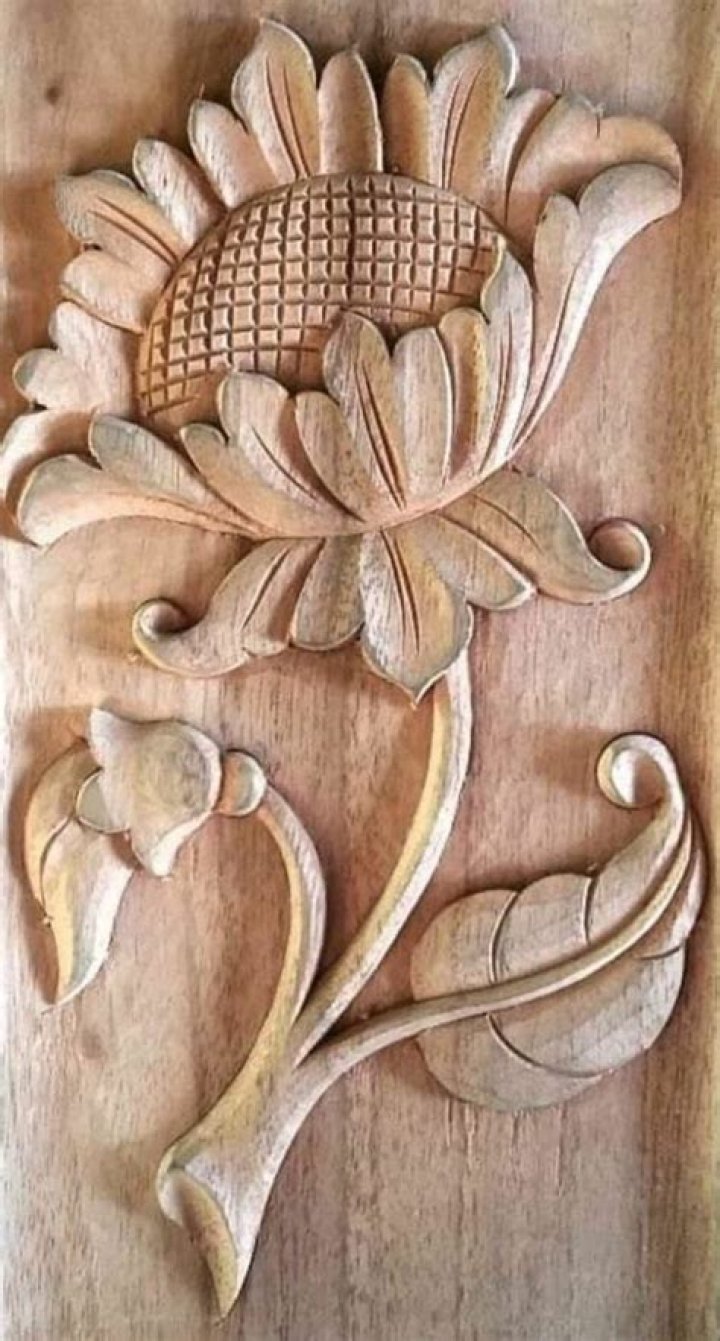
Carved designs have a timeless allure that has captivated civilizations for centuries. From intricate wood carvings to majestic stone sculptures, the art of carving transforms raw materials into breathtaking works of art. This ancient craft continues to thrive in modern times, captivating art enthusiasts and collectors worldwide.
The art of carved design is not merely about creating beautiful objects; it's a testament to human creativity, skill, and patience. Each carved piece tells a story, whether it's a traditional wooden mask, an elaborate architectural ornament, or a contemporary abstract sculpture. The craftsmanship involved in carving adds value and uniqueness to every creation.
In this comprehensive guide, we will explore the world of carved designs, delving into its history, techniques, tools, and applications. Whether you're an aspiring artist, a collector, or simply someone who appreciates fine craftsmanship, this article will provide valuable insights into the fascinating realm of carving.
The History of Carved Art
Origins of Carving
The origins of carved art can be traced back thousands of years, with evidence of early carvings found in ancient civilizations such as Egypt, Greece, and Mesopotamia. These early carvings were often religious or ceremonial in nature, depicting gods, goddesses, and important figures.
For instance, the ancient Egyptians were renowned for their stone carvings, creating monumental statues and intricate reliefs that adorned temples and tombs. Similarly, the Greeks developed their own style of carving, focusing on human forms and achieving remarkable realism in their sculptures.
Evolution of Carving Techniques
Over time, carving techniques evolved, influenced by cultural exchanges and technological advancements. The Renaissance period saw a resurgence of interest in carved art, with artists like Michelangelo pushing the boundaries of what could be achieved with stone and wood.
Today, modern tools and technologies have expanded the possibilities for carved designs, allowing artists to create more intricate and detailed works. However, many traditional methods are still cherished and practiced by artisans around the world.
Materials Used in Carving
Carving can be done on a variety of materials, each with its own characteristics and challenges. The most common materials used in carved designs include wood, stone, metal, and bone.
- Wood: Known for its versatility and ease of use, wood is a popular choice for carving. Different types of wood, such as oak, cherry, and walnut, offer unique textures and grains that enhance the final piece.
- Stone: Stone carving is more challenging due to the material's hardness, but it produces durable and impressive results. Common stones used in carving include marble, limestone, and granite.
- Metal: Metal carving requires specialized tools and techniques but offers the possibility of creating intricate and durable designs. Copper, brass, and steel are popular choices for metal carvings.
- Bone: Bone carving is an ancient practice that involves shaping animal bones into decorative objects. It requires precision and care to avoid damaging the material.
Essential Tools for Carving
Basic Carving Tools
To begin carving, you'll need a set of essential tools that vary depending on the material you're working with. For wood carving, chisels, gouges, and mallets are indispensable. Stone carving requires harder tools like hammers, chisels, and points.
Modern carvers also utilize power tools such as rotary tools and angle grinders to speed up the process and achieve finer details. However, many artists prefer traditional hand tools for their ability to produce more organic and personalized results.
Advanced Tools and Equipment
As carvers gain experience, they may invest in advanced tools and equipment to enhance their work. This includes precision carving knives, powered carving systems, and specialized sharpening tools. Additionally, safety gear such as gloves, goggles, and dust masks is crucial for protecting the artist during the carving process.
Carving Techniques Explained
Relief Carving
Relief carving involves creating a design that appears to rise from a flat surface. This technique is commonly used in architectural decorations and ornamental panels. There are two main types of relief carving: low relief (bas-relief) and high relief.
Low relief carvings have minimal depth, making them ideal for intricate patterns and details. High relief carvings, on the other hand, have more pronounced depth and can create dramatic visual effects.
Chip Carving
Chip carving is a technique where small chips of material are removed to create a pattern or design. This method is often used in wood carving and requires precise control over the carving tool. Chip carving can produce stunning geometric patterns and intricate designs.
Different Styles of Carved Designs
Traditional Styles
Traditional carved designs are deeply rooted in cultural heritage and often feature motifs and symbols significant to specific regions. For example, Celtic carvings are known for their intricate knotwork patterns, while African carvings often depict animals and tribal symbols.
Modern Styles
Modern carved designs break away from traditional constraints, embracing abstract forms and experimental techniques. Artists today often combine different materials and styles to create innovative and thought-provoking pieces. The use of digital technology in designing carved patterns has also opened new possibilities for creativity.
Applications of Carved Art
Carved designs find applications in various fields, from interior design to fashion. Carved wooden furniture and decorative items add warmth and character to living spaces. Stone carvings are often used in architectural elements, such as columns and facades. In fashion, carved jewelry and accessories provide unique and personalized adornments.
Moreover, carved art is highly valued in the art market, with collectors seeking rare and exquisite pieces to add to their collections. The versatility of carved designs ensures their continued relevance in contemporary society.
Maintaining and Preserving Carved Pieces
Caring for Wood Carvings
To preserve the beauty and integrity of wood carvings, regular maintenance is essential. Keep wood carvings away from direct sunlight and extreme temperature changes to prevent cracking and warping. Apply a protective finish, such as varnish or oil, to enhance the wood's natural grain and protect it from moisture.
Preserving Stone Carvings
Stone carvings require different care methods depending on the type of stone. Regular cleaning with a mild soap solution and water can remove dirt and grime. For outdoor stone carvings, consider applying a sealant to protect against weathering and environmental damage.
The Carved Art Market
The market for carved art is diverse and dynamic, catering to a wide range of tastes and budgets. High-end carved pieces by renowned artists can fetch substantial prices at auctions and galleries. Meanwhile, more affordable carved items are popular among casual collectors and home decorators.
Online platforms have expanded the reach of carved art, allowing artists to showcase their work to a global audience. This has democratized access to carved designs, enabling more people to appreciate and acquire these beautiful creations.
Tips for Beginners in Carving
Start with the Basics
If you're new to carving, it's important to start with the basics. Begin with simple projects using softwoods like basswood or butternut, which are easier to carve. Practice basic techniques such as chip carving and relief carving to build your skills.
Invest in Quality Tools
Having the right tools is crucial for successful carving. Invest in a good set of carving tools that suit your chosen material and style. Take the time to learn how to properly sharpen and maintain your tools for optimal performance.
The Future of Carved Designs
The future of carved designs looks promising, with advancements in technology and increasing appreciation for handcrafted art. Digital tools and 3D printing are being integrated into the carving process, offering new possibilities for design and production.
As sustainability becomes a growing concern, there is a renewed interest in using eco-friendly materials and traditional carving techniques. This shift aligns with the values of many contemporary consumers who seek authentic and sustainable products.
Conclusion
In conclusion, carved designs represent a fascinating intersection of art, culture, and craftsmanship. From their ancient origins to modern applications, carved pieces continue to captivate and inspire people around the world. Whether you're an artist, collector, or admirer of fine art, the world of carved designs offers endless opportunities for exploration and appreciation.
We invite you to share your thoughts and experiences with carved art in the comments below. Don't forget to explore our other articles for more insights into the world of art and design. Thank you for reading!


