
Unveiling the Characteristics of a Doberman Dog: A Comprehensive Guide
By Michael King
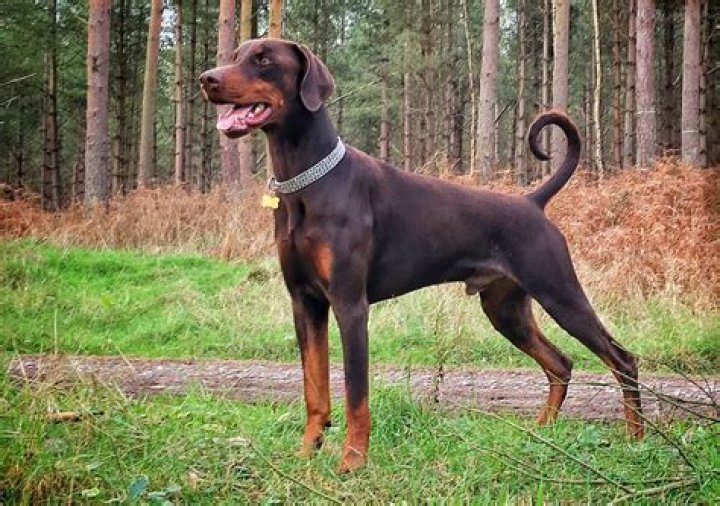
The Doberman Pinscher, often simply referred to as the Doberman dog, is one of the most recognizable and respected breeds worldwide. Known for its intelligence, loyalty, and protective nature, this breed has captured the hearts of many dog enthusiasts. Whether you're considering adopting a Doberman or simply want to learn more about this incredible breed, understanding its characteristics is essential. In this article, we will explore everything you need to know about the Doberman dog, from its physical traits to its temperament and care requirements.
Beyond their striking appearance, Doberman dogs are celebrated for their versatility. They excel in various roles, from being devoted family pets to working as police or military dogs. This adaptability makes them one of the most sought-after breeds in the canine world. However, potential owners must be aware of the unique traits and needs that come with owning a Doberman.
This guide aims to provide a thorough understanding of the Doberman dog's characteristics, ensuring you are well-informed before making any decisions. Let's dive into the fascinating world of the Doberman Pinscher and discover why they are often regarded as one of the best breeds for those seeking a loyal companion.
The History of Doberman Dogs
The Doberman Pinscher originated in Germany during the late 19th century. Its creation is attributed to Karl Friedrich Louis Dobermann, a tax collector and part-time dog breeder. Dobermann sought to develop a breed that would serve as both a companion and protector, given the dangerous nature of his job. By carefully selecting various breeds, including the Rottweiler, German Pinscher, and Greyhound, he created a dog with unmatched intelligence, loyalty, and strength.
Origins and Development
Dobermann's goal was to create a breed that combined the best traits of several dogs. The result was a versatile working dog capable of guarding, herding, and serving as a loyal companion. Over time, the breed evolved under the guidance of breeders who refined its appearance and temperament. Today, the Doberman Pinscher is recognized worldwide for its elegance and purposeful demeanor.
Physical Characteristics of a Doberman Dog
Doberman dogs are known for their sleek, muscular build and striking appearance. Their physique is both athletic and elegant, making them one of the most visually impressive breeds. Understanding their physical traits is crucial for potential owners who wish to provide proper care and maintenance.
Size and Weight
- Male Dobermans typically stand between 26 to 28 inches tall and weigh around 75 to 100 pounds.
- Females are slightly smaller, measuring 24 to 26 inches and weighing between 60 to 90 pounds.
Coat and Colors
Doberman dogs have a short, smooth coat that is easy to maintain. The most common colors include black, red, blue, and fawn. Each color variation comes with specific markings, such as rust-colored markings on the muzzle, chest, legs, and above the eyes.
Temperament and Personality Traits
One of the most defining characteristics of a Doberman dog is its temperament. Known for their loyalty and protective nature, Dobermans form strong bonds with their families and are highly devoted. However, their personality extends beyond just being guard dogs.
Intelligence and Trainability
Doberman dogs are among the most intelligent breeds, ranking highly in obedience and problem-solving skills. This intelligence makes them highly trainable but also requires consistent mental stimulation to prevent boredom.
Protective Instincts
Dobermans are naturally protective of their families and territory. This trait makes them excellent watchdogs, but it also means they require proper socialization to ensure they remain friendly and well-adjusted in various situations.
Training and Socialization Tips
Training a Doberman dog requires patience, consistency, and positive reinforcement. Their intelligence and eagerness to please make them highly trainable, but their strong-willed nature demands a firm yet gentle approach.
Early Socialization
Early exposure to different people, animals, and environments is crucial for developing a well-rounded Doberman. Socialization helps prevent fear-based aggression and ensures they remain friendly and confident in various settings.
Basic Obedience Training
Doberman dogs thrive on structure and routine. Starting with basic commands such as "sit," "stay," and "come" lays a solid foundation for more advanced training. Incorporating reward-based methods, such as treats and praise, enhances their learning experience.
Health Considerations
Like all breeds, Doberman dogs are prone to certain health issues. Understanding these potential concerns allows owners to take proactive steps in maintaining their dog's well-being.
Common Health Issues
- Dilated Cardiomyopathy (DCM): A condition affecting the heart muscle, leading to reduced pumping ability.
- Hypothyroidism: A hormonal imbalance that can cause weight gain, lethargy, and skin problems.
- von Willebrand's Disease: A bleeding disorder that affects blood clotting.
Preventive Measures
Regular veterinary check-ups, a balanced diet, and consistent exercise are key to preventing and managing health issues in Doberman dogs. Genetic testing is also recommended for breeders to ensure healthy litters.
Dietary Needs and Nutrition
Providing a Doberman dog with a balanced and nutritious diet is essential for maintaining their health and energy levels. Their high activity levels require a diet rich in protein and essential nutrients.
Feeding Guidelines
Adult Dobermans should be fed twice a day, with portion sizes adjusted based on their age, weight, and activity level. High-quality commercial dog food or homemade meals prepared under veterinary guidance are recommended.
Exercise Requirements
Doberman dogs are highly active and require regular exercise to stay physically and mentally fit. Neglecting their exercise needs can lead to behavioral issues and health problems.
Daily Exercise Routine
- At least 60-90 minutes of exercise daily, including walks, runs, and playtime.
- Mental stimulation activities, such as puzzle toys and training sessions, are also beneficial.
Grooming and Maintenance
Despite their short coats, Doberman dogs require regular grooming to keep their skin and coat healthy. While they shed minimally, consistent care ensures they remain clean and comfortable.
Grooming Tips
- Brush their coat weekly to remove loose hair and distribute natural oils.
- Check their ears regularly for signs of infection and clean them as needed.
- Trim their nails every few weeks to prevent overgrowth.
Lifestyle Compatibility
Doberman dogs are adaptable to various living situations, provided they receive adequate exercise and attention. However, their energetic nature makes them better suited for active individuals or families.
Ideal Living Environment
Dobermans thrive in homes with access to a yard for play and exercise. However, they can adapt to apartment living if given sufficient outdoor activity. Their strong bond with family members also makes them ideal companions for those who spend considerable time at home.
Adopting a Doberman Dog
Adopting a Doberman dog can be a rewarding experience, but it requires careful consideration. Potential owners must ensure they can meet the breed's physical, mental, and emotional needs.
Things to Consider Before Adoption
- Time commitment: Dobermans require significant time and attention.
- Financial responsibility: Budget for food, veterinary care, grooming, and training.
- Compatibility: Assess whether your lifestyle aligns with the breed's requirements.
Kesimpulan
The characteristics of a Doberman dog make them one of the most remarkable breeds in the canine world. From their intelligence and loyalty to their protective instincts and adaptability, Dobermans offer a unique blend of traits that appeal to many dog enthusiasts. However, owning a Doberman requires commitment, as they demand proper training, exercise, and care to thrive.
We encourage you to share this article with fellow dog lovers and leave your thoughts in the comments below. For more insights into the world of Doberman dogs and other breeds, explore our other articles on the website. Together, let's celebrate the joy and companionship these incredible animals bring into our lives!