
Unveiling the Mysteries of the Wolf Domestic Dog Connection
By Sarah Rowe
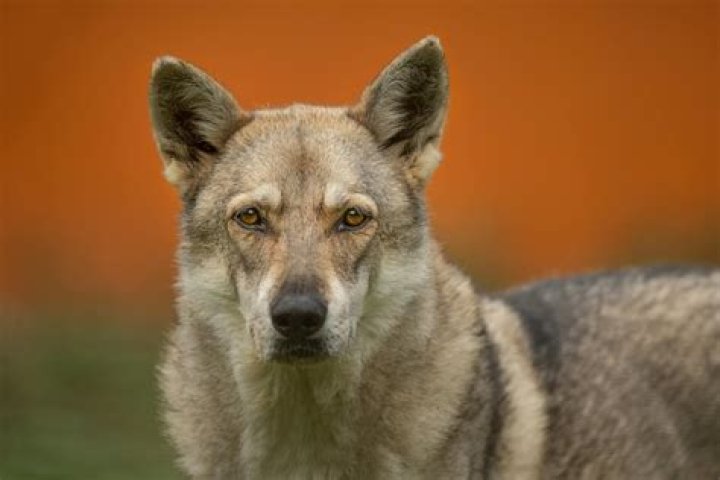
Understanding the relationship between wolves and domestic dogs is a fascinating journey into evolution, genetics, and human history. The bond between these two species has shaped the way we view animals and their roles in our lives. As we delve deeper into this topic, we'll explore how wolves have influenced the development of domestic dogs and how this relationship continues to evolve today.
From ancient times to modern research, the link between wolves and domestic dogs has intrigued scientists, historians, and pet lovers alike. This article aims to shed light on the genetic, behavioral, and historical connections that tie these two species together. By understanding their shared ancestry, we can better appreciate the role dogs play in our lives.
Our exploration will cover a wide range of topics, including genetic studies, behavioral traits, and the domestication process. Whether you're a dog enthusiast or simply curious about the origins of our canine companions, this article will provide valuable insights into the world of wolves and domestic dogs.
The Biological Connection Between Wolves and Dogs
Wolves and domestic dogs share a deep biological connection, rooted in their common ancestry. Scientific studies have shown that domestic dogs (Canis lupus familiaris) are a subspecies of the gray wolf (Canis lupus). This genetic link provides a fascinating insight into how domestication has shaped the evolution of dogs over thousands of years.
Key Genetic Findings
- Research conducted by the University of California, Los Angeles, revealed that domestic dogs share over 99% of their DNA with gray wolves.
- Genetic studies indicate that the divergence between wolves and domestic dogs began approximately 20,000 to 40,000 years ago.
- Modern domestic dogs exhibit a wide range of physical and behavioral traits due to selective breeding, yet they retain many genetic similarities with their wild ancestors.
Despite their domestication, dogs still carry the genetic blueprint of wolves, which influences their behavior, instincts, and physical characteristics. Understanding this connection is crucial for comprehending the unique traits of domestic dogs.
The Domestication Process: From Wolves to Dogs
The domestication of wolves into dogs represents one of the most significant evolutionary shifts in human history. This process began when early humans formed a symbiotic relationship with wolves, likely due to mutual benefits such as protection and hunting assistance.
Stages of Domestication
- Initial interactions likely involved wolves scavenging near human settlements, leading to a gradual trust-building process.
- Humans selectively bred wolves with desirable traits, such as reduced aggression and increased sociability, resulting in the emergence of early domestic dogs.
- Over time, domestic dogs became integral members of human societies, serving roles in hunting, herding, and companionship.
This domestication process transformed wolves into the diverse array of breeds we see today, each adapted to specific roles and environments.
Genetic Studies: Unlocking the Secrets of Canine Evolution
Advances in genetic research have provided unprecedented insights into the evolution of wolves and domestic dogs. Scientists have used DNA sequencing to trace the lineage of modern dogs back to their wolf ancestors, revealing fascinating details about their shared history.
Notable Genetic Discoveries
- A study published in the journal Science identified specific genes responsible for behavioral traits such as tameness and sociability in domestic dogs.
- Research conducted by the Broad Institute found that domestication led to changes in genes related to digestion, particularly the ability to digest starches, which was crucial for adapting to human diets.
- Genetic diversity within domestic dogs is significantly higher than in wolves, reflecting the impact of selective breeding over millennia.
These genetic studies not only enhance our understanding of canine evolution but also provide valuable information for improving the health and well-being of modern dogs.
Behavioral Similarities Between Wolves and Domestic Dogs
Despite the differences in their environments and lifestyles, wolves and domestic dogs share many behavioral similarities. These shared traits highlight their common ancestry and the enduring influence of wolf-like instincts in domestic dogs.
Key Behavioral Traits
- Both wolves and dogs exhibit strong social bonds, often forming hierarchical packs with defined roles and responsibilities.
- Communication methods, such as body language, vocalizations, and scent marking, are similar between wolves and dogs, although domestication has modified some of these behaviors.
- Play behavior, essential for social development and bonding, is observed in both species, though it may manifest differently in domestic dogs due to selective breeding.
Understanding these behavioral similarities can help dog owners better interpret and address the needs of their pets, fostering stronger human-canine relationships.
Physical Characteristics: Comparing Wolves and Dogs
While wolves and domestic dogs share many physical traits, domestication has led to significant variations in appearance among dog breeds. These differences reflect the diverse roles dogs have played in human societies throughout history.
Physical Traits of Wolves
- Wolves are generally larger and more robust than most domestic dogs, with a leaner build suited for endurance and hunting.
- Their coats are typically thick and weather-resistant, providing protection against harsh environmental conditions.
- Wolves possess powerful jaws and teeth adapted for tearing flesh, reflecting their carnivorous diet.
Physical Traits of Domestic Dogs
- Domestic dogs exhibit a wide range of sizes, shapes, and coat types, influenced by selective breeding for specific purposes.
- Many breeds have been modified to enhance traits such as speed, strength, or companionship, resulting in significant physical diversity.
- While domestic dogs retain many physical features of wolves, such as pointed ears and bushy tails, these traits may be less pronounced in certain breeds.
These physical differences underscore the profound impact of domestication on the evolution of domestic dogs.
Dietary Habits: What Wolves and Dogs Eat
The dietary habits of wolves and domestic dogs reflect their evolutionary history and adaptation to different environments. While wolves rely on a strictly carnivorous diet, domestic dogs have evolved to consume a more varied diet, influenced by their association with humans.
Wolf Diet
- Wolves primarily hunt large ungulates such as deer, elk, and moose, supplementing their diet with smaller prey when necessary.
- Their digestive systems are adapted to process raw meat and bones, providing essential nutrients for survival.
Dog Diet
- Domestic dogs have evolved to digest a wider range of foods, including grains and vegetables, due to their association with human agriculture.
- Modern dog diets often include commercially prepared foods designed to meet their nutritional needs, though some owners opt for raw or homemade diets.
Understanding the dietary needs of wolves and dogs is essential for ensuring the health and well-being of both species.
Conservation Efforts: Protecting Wolves in the Wild
Despite their close relationship with domestic dogs, wolves face numerous threats in the wild, including habitat loss, hunting, and human-wildlife conflict. Conservation efforts are crucial for preserving these majestic creatures and maintaining the balance of ecosystems they inhabit.
Key Conservation Initiatives
- Protected areas and wildlife reserves provide safe havens for wolves, allowing them to thrive in their natural habitats.
- Research and monitoring programs help scientists understand wolf populations and develop effective conservation strategies.
- Public education campaigns aim to dispel myths and misconceptions about wolves, fostering greater appreciation and support for their conservation.
By supporting these efforts, we can ensure the survival of wolves and preserve the rich biodiversity of our planet.
Wolf-Dog Hybrids: A Controversial Topic
The creation of wolf-dog hybrids, or wolfdogs, represents a contentious issue in the world of canine genetics and ethics. These animals, produced by breeding wolves with domestic dogs, possess a unique combination of traits from both species. However, their management and care pose significant challenges.
Challenges of Wolf-Dog Ownership
- Wolf-dogs often exhibit unpredictable behavior, combining the wild instincts of wolves with the domesticated traits of dogs.
- Caring for wolf-dogs requires specialized knowledge and facilities, making them unsuitable for most pet owners.
- Legal restrictions on wolf-dog ownership vary by region, complicating their status as pets or working animals.
While wolf-dogs hold a certain allure for some enthusiasts, their complex needs and potential risks warrant careful consideration before pursuing ownership.
Cultural Significance of Wolves and Dogs
Throughout history, wolves and dogs have played important roles in human culture, symbolizing loyalty, strength, and companionship. Their portrayal in art, literature, and mythology reflects the deep connection humans have formed with these animals over millennia.
Wolves in Mythology
- In Norse mythology, Fenrir, the giant wolf, symbolizes chaos and destruction, while Sleipnir, Odin's eight-legged steed, represents speed and power.
- Native American cultures often view wolves as spiritual guides, embodying qualities such as wisdom and perseverance.
Dogs in Culture
- Dogs have been depicted as loyal companions and protectors in countless works of art and literature, from ancient frescoes to modern films.
- In many societies, dogs are revered for their intelligence and ability to form strong bonds with humans, making them indispensable members of families and communities.
These cultural representations highlight the enduring impact of wolves and dogs on human society.
Conclusion: The Enduring Bond Between Wolves and Dogs
In conclusion, the relationship between wolves and domestic dogs is a testament to the power of evolution, adaptation, and human-animal interaction. From their shared ancestry to their distinct roles in modern society, wolves and dogs continue to captivate and inspire us. By understanding their similarities and differences, we can better appreciate the incredible journey that has brought these two species together.
We invite you to share your thoughts and experiences in the comments below. Whether you're a wolf enthusiast, a dog lover, or simply curious about the natural world, your input is valuable. Don't forget to explore other articles on our site for more fascinating insights into the animal kingdom!


