
Unveiling the Truth: The US Airways Flight 1549 Crash Video and Its Impact
By Michael King
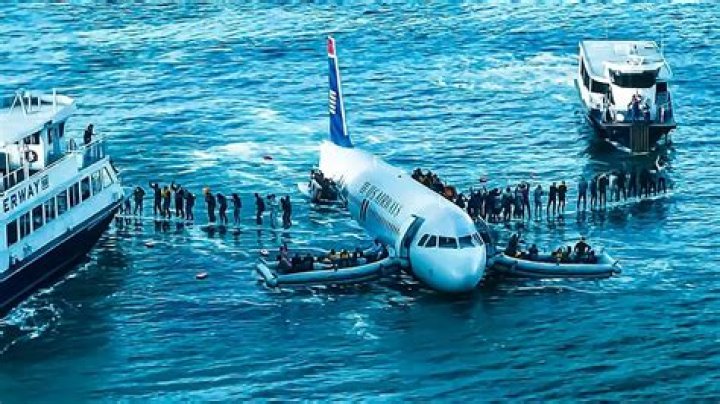
On January 15, 2009, the world watched in awe as US Airways Flight 1549 made an emergency landing on the Hudson River in New York City. This incident, often referred to as the "Miracle on the Hudson," became one of the most significant aviation events in modern history. The crash video captured global attention, highlighting the incredible skill and bravery of the pilots involved.
When the plane struck a flock of Canada geese shortly after takeoff, both engines lost power, putting the lives of all 155 passengers and crew members at risk. The calm and decisive actions of Captain Chesley "Sully" Sullenberger and his team turned what could have been a tragedy into a remarkable survival story.
This article dives deep into the details of the US Airways Flight 1549 crash video, analyzing its significance, the events leading up to the incident, and its lasting impact on aviation safety. Whether you're a curious reader or an aviation enthusiast, this comprehensive guide will provide valuable insights into one of the most famous aviation incidents in history.
Biography of Captain Sully Sullenberger
Captain Sully's Background
Before delving into the details of the US Airways Flight 1549 crash, it's essential to understand the man behind the miracle. Captain Chesley "Sully" Sullenberger is a renowned figure in aviation history. Below is a summary of his key details:
| Full Name | Chesley B. Sullenberger III |
|---|---|
| Birth Date | January 23, 1951 |
| Place of Birth | Denison, Texas |
| Education | U.S. Air Force Academy |
| Profession | Aviation Safety Expert, Pilot, and Author |
Sully's extensive experience as a pilot, combined with his dedication to aviation safety, played a crucial role in the successful outcome of the Hudson River landing.
Overview of the Incident
Events Leading to the Crash
On January 15, 2009, US Airways Flight 1549 departed from LaGuardia Airport in New York City, bound for Charlotte, North Carolina. Just three minutes into the flight, the plane collided with a flock of Canada geese, causing both engines to fail. The crew faced a critical decision: attempt to return to the airport or find an alternate landing site.
With limited options and time, Captain Sullenberger made the bold decision to land the plane on the Hudson River. This choice, although risky, proved to be the safest option under the circumstances.
The US Airways 1549 Crash Video
Capturing the Moment
The US Airways 1549 crash video quickly became one of the most viewed clips on news outlets and social media platforms worldwide. The footage, captured by bystanders and surveillance cameras, showed the dramatic yet controlled descent of the aircraft onto the icy waters of the Hudson River.
- The video highlights the calm demeanor of the flight crew.
- It showcases the coordinated efforts of emergency responders.
- It serves as a testament to human resilience and ingenuity.
Experts have analyzed the video extensively to understand the technical aspects of the landing and the factors that contributed to the survival of everyone on board.
Factors Contributing to Survival
Key Elements of the Miracle
Several factors played a role in ensuring the survival of all passengers and crew:
- Pilot Experience: Captain Sullenberger's extensive training and experience were critical in executing a successful water landing.
- Passenger Preparedness: The crew's efficient pre-landing instructions helped passengers brace for impact effectively.
- Quick Response: Emergency services arrived promptly, ensuring all individuals were safely evacuated from the aircraft.
These elements combined to create what many consider a miracle in aviation history.
Impact on Aviation Safety
Advancements in Safety Protocols
The US Airways Flight 1549 incident prompted significant changes in aviation safety protocols. Regulatory bodies such as the Federal Aviation Administration (FAA) conducted thorough investigations and implemented new guidelines:
- Improved bird strike prevention measures.
- Enhanced pilot training for water landings.
- Increased focus on emergency preparedness.
These changes have contributed to a safer aviation industry, reducing the likelihood of similar incidents in the future.
Public Reaction and Media Coverage
A Global Phenomenon
The US Airways Flight 1549 crash video sparked widespread public interest and media coverage. News outlets around the world reported on the event, praising the heroism of Captain Sullenberger and his team. The story became a symbol of hope and resilience, inspiring millions globally.
Social media played a significant role in spreading awareness, with users sharing the video and expressing their admiration for the crew's actions. This unprecedented level of public engagement highlighted the incident's cultural significance.
Lessons Learned from the Incident
Key Takeaways for the Aviation Industry
From the US Airways Flight 1549 crash, several important lessons emerged:
- Importance of continuous training for pilots and crew.
- Necessity of robust emergency response systems.
- Value of leveraging technology to enhance safety measures.
These lessons have been integrated into aviation practices worldwide, ensuring that the industry continues to evolve and improve.
Investigation and Findings
Uncovering the Facts
The National Transportation Safety Board (NTSB) conducted an in-depth investigation into the US Airways Flight 1549 incident. Their findings revealed that the bird strike was the primary cause of the engine failure. However, they also praised the crew's response, noting that their actions saved lives.
The investigation led to recommendations for improving aircraft design and bird strike prevention strategies. These recommendations have since been adopted by aviation authorities globally.
Conclusion and Final Thoughts
The US Airways Flight 1549 crash video remains a powerful reminder of human courage and ingenuity in the face of adversity. Through the exceptional skill of Captain Sullenberger and the dedication of his team, a potential disaster was transformed into a story of survival and triumph.
This incident has left a lasting impact on the aviation industry, prompting significant advancements in safety protocols and emergency preparedness. As we reflect on the events of January 15, 2009, let us remember the importance of learning from such experiences to ensure a safer future for all.
We invite you to share your thoughts and insights in the comments below. Additionally, explore other articles on our site for more fascinating stories and information about aviation history and safety.
References:
- National Transportation Safety Board (NTSB) Report
- Federal Aviation Administration (FAA) Guidelines
- "Highest Duty: My Search for What Really Matters" by Chesley Sullenberger


