
Wax Paper Versus Parchment Paper: A Comprehensive Guide
By Michael King
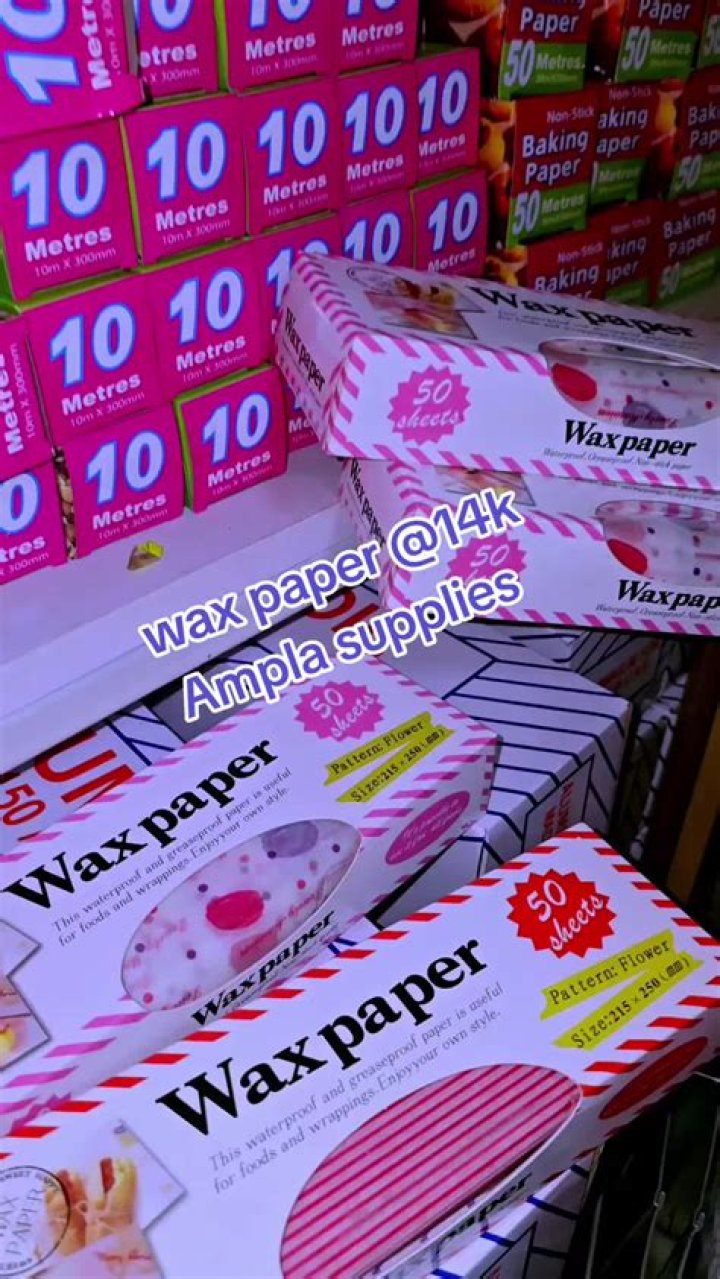
When it comes to cooking and baking, choosing the right tools and materials can make all the difference in achieving perfect results. Two commonly used materials in the kitchen are wax paper and parchment paper. While they may seem similar at first glance, understanding their differences and appropriate uses is crucial for successful cooking and baking experiences.
Whether you're a seasoned chef or a beginner in the kitchen, knowing the distinction between wax paper versus parchment paper can enhance your culinary journey. This article will delve into the characteristics, uses, and advantages of both materials, helping you make informed decisions.
Our focus will be on exploring the practical applications of these materials, their environmental impact, and how to select the right one for your specific needs. By the end of this article, you'll have a clear understanding of which paper suits your cooking and baking projects best.
Introduction
Why Understanding the Difference Matters
The debate over wax paper versus parchment paper has been ongoing among home cooks and professional chefs alike. Both materials are designed to simplify cooking and baking processes, but their unique properties set them apart in various scenarios. Understanding the differences can lead to better cooking outcomes and more efficient kitchen practices.
Wax paper and parchment paper are often mistaken for one another due to their similar appearances. However, their compositions and functionalities differ significantly. This article will explore these differences in detail, ensuring that you can make the best choice for your culinary needs.
What Are Wax Paper and Parchment Paper?
Defining Wax Paper
Wax paper, also known as waxed paper, is a type of paper coated with a thin layer of wax, typically paraffin or soy-based. This coating makes the paper grease-resistant and non-stick, which is ideal for tasks such as wrapping food, pressing dough, or lining baking pans for non-heat-related purposes.
It is important to note that wax paper is not heat-resistant, which limits its use in high-temperature cooking environments.
Defining Parchment Paper
Parchment paper, on the other hand, is crafted from paper that has been treated with a silicone coating. This process renders the paper heat-resistant, non-stick, and moisture-proof, making it perfect for baking and roasting. Parchment paper is often used as a liner for baking sheets, trays, and pans.
Characteristics of Wax Paper and Parchment Paper
Heat Resistance
- Wax Paper: Not heat-resistant; can melt or ignite if exposed to direct heat.
- Parchment Paper: Highly heat-resistant, capable of withstanding temperatures up to 420°F (218°C) or higher, depending on the brand.
Non-Stick Properties
- Wax Paper: Offers a non-stick surface suitable for tasks like pressing dough or lining countertops for rolling out pastry.
- Parchment Paper: Provides superior non-stick properties, making it ideal for baking cookies, cakes, and other baked goods.
Moisture Resistance
- Wax Paper: Resistant to moisture but not completely waterproof.
- Parchment Paper: Completely waterproof, ensuring no moisture seepage during cooking or storage.
Common Uses of Wax Paper and Parchment Paper
Wax Paper Uses
Wax paper is commonly used for tasks that do not involve direct heat. Some of its typical uses include:
- Wrapping sandwiches and snacks.
- Pressing dough or shaping cookies.
- Lining countertops for rolling out pastry.
- Separating layers of baked goods in storage.
Parchment Paper Uses
Parchment paper is versatile and widely used in baking and cooking. Its common applications include:
- Lining baking sheets for cookies, cakes, and bread.
- Steaming or roasting vegetables and fish.
- Cooking en papillote (food cooked in a packet).
- Creating makeshift funnels for pouring ingredients.
Comparison: Wax Paper Versus Parchment Paper
Material Composition
Wax paper is made from paper coated with a layer of wax, while parchment paper is treated with silicone. This difference in material composition significantly affects their performance in various cooking scenarios.
Heat Tolerance
One of the most critical distinctions between wax paper versus parchment paper is their heat tolerance. Parchment paper's silicone coating makes it suitable for high-temperature cooking, whereas wax paper's wax coating can melt or catch fire under direct heat.
Environmental Impact
Both papers have environmental considerations. Wax paper is often more biodegradable due to its natural wax coatings, while parchment paper's silicone coating may take longer to decompose. However, advancements in eco-friendly parchment paper options are becoming more available.
Cooking Tips for Using Wax Paper and Parchment Paper
Using Wax Paper Effectively
When using wax paper, remember the following tips:
- Avoid using it in direct contact with heat sources.
- Use it for tasks like pressing dough or wrapping food.
- Store it in a cool, dry place to maintain its integrity.
Using Parchment Paper Effectively
For parchment paper, consider these tips:
- Always check the manufacturer's heat tolerance guidelines.
- Trim parchment paper to fit baking sheets or pans neatly.
- Reuse parchment paper for multiple batches of baking when possible.
Environmental Impact of Wax Paper and Parchment Paper
As sustainability becomes a growing concern, understanding the environmental impact of wax paper versus parchment paper is essential. While wax paper is often considered more eco-friendly due to its biodegradable properties, parchment paper's silicone coating poses challenges for decomposition. However, advancements in eco-friendly parchment paper production are addressing these concerns.
Opting for recycled or compostable versions of both materials can help reduce their environmental footprint.
Health and Safety Considerations
Safety is paramount when using kitchen materials. Wax paper is not suitable for high-temperature cooking, as it can release harmful fumes if it melts or catches fire. Parchment paper, with its heat-resistant properties, is a safer option for baking and roasting.
Always check the labels for any additional coatings or treatments that may affect safety or health.
Cost-Effectiveness Analysis
When comparing the cost-effectiveness of wax paper versus parchment paper, several factors come into play. Wax paper is generally more affordable and sufficient for non-heat-related tasks. Parchment paper, while more expensive, offers versatility and durability, making it a worthwhile investment for baking and cooking enthusiasts.
Considering the frequency and nature of your cooking activities can help determine which option provides the best value for your budget.
Conclusion
In summary, the choice between wax paper versus parchment paper depends on your specific cooking and baking needs. Wax paper is ideal for tasks that do not involve direct heat, such as wrapping food or pressing dough. Parchment paper, with its heat-resistant and non-stick properties, is indispensable for baking and roasting.
To enhance your culinary experience, consider the environmental impact, health and safety factors, and cost-effectiveness of each material. By making informed decisions, you can achieve optimal results in your kitchen.
We invite you to share your experiences and insights in the comments section below. Additionally, explore our other articles for more tips and tricks to elevate your cooking skills. Happy cooking!


