
What's the Melting Point of Steel? A Comprehensive Guide
By Emma Valentine
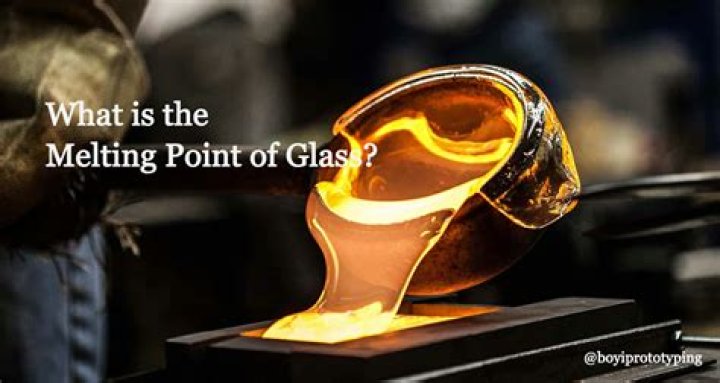
Steel is one of the most widely used materials in construction, manufacturing, and various industries due to its strength and durability. However, understanding its melting point is crucial for applications that involve high temperatures. The melting point of steel plays a significant role in metallurgy, welding, and other industrial processes. In this article, we will delve into the intricacies of steel's melting point and its implications.
The melting point of steel is a critical factor that determines its suitability for various applications. Whether it's in the construction of skyscrapers or the manufacturing of automotive parts, the properties of steel at high temperatures are of utmost importance. By understanding its melting point, engineers and manufacturers can ensure the safety and efficiency of their projects.
This article will explore the melting point of steel, its variations based on composition, and its relevance in different industries. We will also discuss the scientific principles behind steel's behavior at high temperatures and how it impacts real-world applications. Let's dive in!
Introduction to Steel's Melting Point
The melting point of steel refers to the temperature at which steel transitions from a solid to a liquid state. This property is essential for various industrial processes, including casting, forging, and welding. Steel's melting point typically ranges between 1,370°C and 1,530°C (2,500°F to 2,800°F), depending on its composition.
Understanding the melting point of steel is vital for engineers and manufacturers who work with this material. It helps in determining the appropriate temperature for specific applications and ensures the material's integrity during high-temperature processes.
Steel's melting point can vary based on its composition, which includes different levels of carbon and alloying elements. These variations make it crucial to consider the specific type of steel being used in any given application.
How Composition Affects the Melting Point of Steel
The composition of steel significantly influences its melting point. Steel is primarily composed of iron with varying amounts of carbon and other alloying elements. These elements can either increase or decrease the melting point of steel, depending on their concentration and interaction with iron.
For instance, adding chromium or nickel to steel can raise its melting point, making it suitable for high-temperature applications. On the other hand, increasing the carbon content may lower the melting point, affecting the material's properties.
The Role of Carbon Content
Carbon is one of the primary elements in steel, and its content can greatly affect the melting point. Low-carbon steel, which contains less than 0.3% carbon, typically has a higher melting point compared to high-carbon steel, which contains more than 0.6% carbon.
- Low-carbon steel: Melting point around 1,425°C to 1,530°C
- High-carbon steel: Melting point around 1,370°C to 1,425°C
Impact of Alloys on Steel's Melting Point
Alloying elements such as chromium, nickel, manganese, and molybdenum are added to steel to enhance its properties. These elements not only improve the strength and corrosion resistance of steel but also affect its melting point.
For example, stainless steel, which contains chromium and nickel, has a higher melting point compared to plain carbon steel. This makes stainless steel ideal for applications that require both high temperature resistance and corrosion resistance.
Industrial Applications and Melting Point
In industrial applications, the melting point of steel is a critical factor. Whether it's used in the construction of bridges, manufacturing of machinery, or production of household appliances, understanding the material's behavior at high temperatures is essential.
- Construction: Steel with a high melting point is preferred for building structures that must withstand extreme conditions.
- Automotive: Steel used in car manufacturing must have a suitable melting point for welding and forming processes.
Melting Point Considerations in Welding
Welding is one of the most common processes where the melting point of steel becomes a critical factor. During welding, steel is heated to its melting point to fuse two pieces together. The type of steel being welded and its melting point determine the appropriate welding technique and equipment.
For instance, low-carbon steel is easier to weld due to its higher melting point and lower carbon content. On the other hand, high-carbon steel requires more advanced welding techniques to prevent cracking and distortion.
Scientific Principles Behind Steel's Melting Point
The melting point of steel is determined by the atomic structure and bonding within the material. Iron, the primary component of steel, has a body-centered cubic (BCC) crystal structure at room temperature. When alloying elements are added, they can alter the crystal structure, affecting the melting point.
Additionally, the presence of impurities and defects in the material can also influence its melting point. Understanding these scientific principles helps in developing steels with specific properties for various applications.
Variations in Melting Point Across Different Steel Types
There are several types of steel, each with its own melting point based on composition. Below are some common types of steel and their approximate melting points:
- Carbon Steel: 1,370°C to 1,530°C
- Stainless Steel: 1,400°C to 1,450°C
- Tool Steel: 1,350°C to 1,420°C
- Alloy Steel: 1,370°C to 1,510°C
These variations highlight the importance of selecting the right type of steel for specific applications, considering both its mechanical properties and melting point.
Effects of Temperature on Steel Properties
As steel approaches its melting point, its properties undergo significant changes. These changes include reduced strength, increased ductility, and altered microstructure. Understanding these effects is crucial for applications that involve high-temperature exposure.
For example, in the aerospace industry, materials used in jet engines must maintain their strength and integrity at extremely high temperatures. Engineers must carefully consider the melting point and other properties of steel to ensure the safety and reliability of these components.
Conclusion and Call to Action
In conclusion, the melting point of steel is a critical factor that influences its suitability for various applications. Whether it's in construction, automotive manufacturing, or aerospace engineering, understanding steel's behavior at high temperatures is essential for ensuring safety and efficiency.
By considering the composition, alloying elements, and specific type of steel, manufacturers can select the appropriate material for their projects. We encourage readers to leave comments or questions below and explore our other articles for more in-depth information on materials science and engineering.


