
What Does Camp David Look Like: Exploring the Secrets of the Presidential Retreat
By Michael Gray
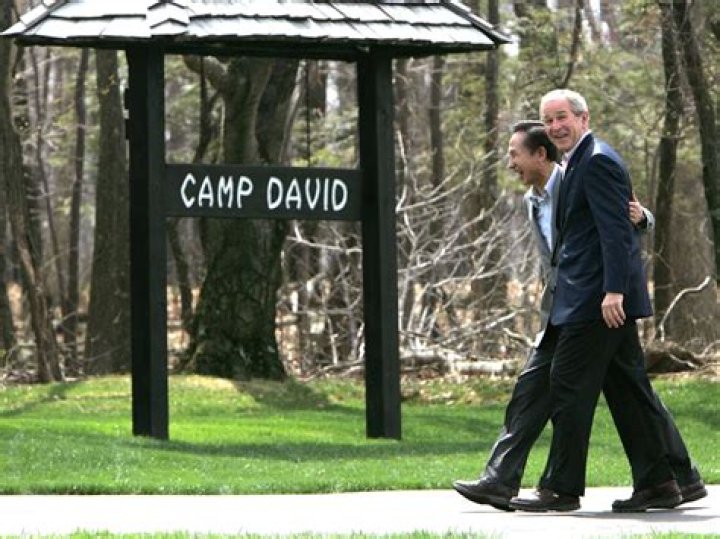
Camp David, the secluded presidential retreat nestled in the Catoctin Mountain Park in Maryland, is a place shrouded in mystery and intrigue. While much of its operations remain classified, this iconic location plays a crucial role in American politics and history. As a place where world leaders convene, critical decisions are made, and the president finds respite from the pressures of office, Camp David has become a symbol of power and tranquility. In this article, we will delve into the fascinating details of what Camp David looks like, its history, and its significance in modern times.
Since its establishment during World War II, Camp David has served as a retreat for U.S. presidents, offering a peaceful escape from the bustling capital. It is a place where presidents can relax, reflect, and strategize without the constant scrutiny of the public eye. The facility’s secluded location ensures privacy and security, making it an ideal setting for high-level diplomatic meetings and personal reflection.
Despite its importance, the inner workings and appearance of Camp David remain largely unknown to the general public. This article aims to shed light on the layout, amenities, and history of this exclusive compound, while also exploring its cultural and political significance. Whether you're a history enthusiast or simply curious about the life of a U.S. president, this article will provide you with a comprehensive understanding of what Camp David looks like.
The History of Camp David
Camp David’s origins date back to 1942 when President Franklin D. Roosevelt sought a more accessible retreat than the one located in Virginia. Initially named "Shangri-La," the compound was renamed "Camp David" in honor of President Eisenhower's grandson. Over the years, the facility has undergone numerous renovations and upgrades, but its core purpose remains unchanged: to serve as a retreat for the president and a venue for high-level discussions.
Early Beginnings and Purpose
The initial purpose of Camp David was to provide a place where the president could escape the pressures of Washington, D.C., without traveling too far. Its secluded location and natural beauty made it an ideal choice for such a retreat. Roosevelt himself used the facility to host meetings with Allied leaders during World War II, setting a precedent for its use in diplomatic affairs.
Modernization and Expansion
As time passed, successive presidents made improvements to the facility, adding amenities and upgrading security measures. Today, Camp David boasts modern facilities that cater to the needs of both the president and visiting dignitaries. These enhancements have ensured that the retreat remains relevant and functional in an ever-changing world.
Where is Camp David Located?
Camp David is situated within the Catoctin Mountain Park in Frederick County, Maryland, approximately 60 miles north of Washington, D.C. Its location in the mountains provides a picturesque setting surrounded by forests and streams, offering a stark contrast to the urban environment of the nation's capital.
Geographical Features
The area surrounding Camp David is characterized by dense woodlands, rolling hills, and natural springs. These features contribute to the serene atmosphere of the retreat, making it an ideal location for relaxation and contemplation. The compound itself is enclosed within a secure perimeter, ensuring the privacy and safety of its occupants.
Facilities and Amenities at Camp David
Camp David offers a wide range of facilities designed to meet the needs of the president and other guests. From luxurious accommodations to recreational activities, the compound is equipped to provide comfort and convenience in a secure environment.
Accommodations
- **Laurel Lodge**: The main residence at Camp David, used by the president and first family.
- **Cedar Cabin**: A smaller cabin often used for staff or guests.
- **Raven Cabin**: Another guest cabin, named after a nearby stream.
Recreational Facilities
Camp David features a variety of recreational amenities, including a swimming pool, tennis courts, and a movie theater. These facilities allow the president and guests to unwind and enjoy leisure activities during their stay. Additionally, the surrounding natural environment provides opportunities for hiking, fishing, and other outdoor pursuits.
Security Measures at Camp David
As a high-security facility, Camp David is protected by multiple layers of defense, including military personnel, surveillance systems, and natural barriers. These measures ensure the safety and privacy of the president and other occupants at all times.
Perimeter Security
The compound is surrounded by a secure perimeter fence equipped with advanced surveillance technology. Access to the site is strictly controlled, with only authorized personnel allowed entry. Military personnel are stationed throughout the facility to provide additional security.
Natural Barriers
The rugged terrain and dense forests surrounding Camp David serve as natural barriers, making it difficult for unauthorized individuals to approach the compound undetected. This combination of man-made and natural defenses creates a highly secure environment for the president and his guests.
Activities and Recreations at Camp David
Camp David offers a variety of activities for the president and his guests, ranging from formal meetings to informal leisure pursuits. These activities help to create a balanced atmosphere where work and relaxation coexist harmoniously.
Formal Meetings
The compound is equipped with conference rooms and other facilities designed for hosting formal meetings and diplomatic discussions. These spaces allow the president to conduct business in a secure and comfortable setting, away from the distractions of the capital.
Leisure Activities
- Swimming in the outdoor pool
- Playing tennis on the courts
- Enjoying a movie in the private theater
Who Visits Camp David?
Camp David hosts a diverse array of visitors, including foreign leaders, government officials, and members of the president's family. These visits often serve both personal and professional purposes, fostering relationships and facilitating important discussions.
Foreign Leaders
Many world leaders have visited Camp David over the years, using the retreat as a venue for high-level diplomatic talks. These visits often result in significant agreements and collaborations, underscoring the compound's importance in international relations.
Family and Friends
In addition to official visitors, the president may invite family members and close friends to Camp David for personal visits. These occasions provide an opportunity for the president to relax and recharge in the company of loved ones, away from the demands of public life.
The Layout of Camp David
The layout of Camp David is designed to maximize functionality and security while maintaining a harmonious relationship with the surrounding natural environment. The compound is divided into several distinct areas, each serving a specific purpose.
Main Areas
- **Residential Area**: Includes Laurel Lodge and other guest cabins.
- **Recreational Area**: Features the pool, tennis courts, and other amenities.
- **Conference Area**: Contains meeting rooms and other facilities for official business.
Design Features
The design of Camp David emphasizes simplicity and functionality, with buildings constructed to blend seamlessly with the natural surroundings. This approach helps to create a peaceful atmosphere conducive to relaxation and reflection.
Camp David and Diplomacy
Camp David has played a crucial role in numerous diplomatic efforts throughout its history. The retreat's secluded location and secure environment make it an ideal setting for sensitive negotiations and discussions.
Notable Agreements
- **Camp David Accords (1978)**: A landmark peace agreement between Egypt and Israel facilitated by President Jimmy Carter.
- **Other Diplomatic Initiatives**: Various other agreements and collaborations have been reached at Camp David, highlighting its importance in international relations.
Future Prospects
As global challenges continue to evolve, Camp David remains a vital tool for fostering diplomacy and cooperation among nations. Its unique combination of security, privacy, and natural beauty ensures that it will continue to play a significant role in shaping the future of international relations.
Media Coverage of Camp David
Despite its high-security status, Camp David occasionally makes headlines in the media. These stories often focus on the activities of the president and visiting dignitaries, as well as the compound's historical significance.
Public Perception
The public's perception of Camp David is shaped by a combination of fact and fiction, with media portrayals sometimes blurring the lines between reality and myth. Efforts to provide accurate information about the facility help to dispel misconceptions and foster a better understanding of its role in American politics.
The Future of Camp David
As the needs of the presidency continue to evolve, so too will the role of Camp David. Future developments may include upgrades to facilities, enhanced security measures, and expanded capabilities to meet the demands of a changing world.
Adapting to Change
While the core purpose of Camp David remains unchanged, its ability to adapt to new challenges and opportunities ensures its continued relevance in the years to come. By maintaining a balance between tradition and innovation, the retreat will continue to serve as a vital resource for the president and the nation.
Conclusion
Camp David stands as a testament to the enduring importance of solitude and reflection in the life of a U.S. president. Its picturesque setting, state-of-the-art facilities, and unwavering commitment to security make it an indispensable asset in modern governance. As we have explored in this article, what Camp David looks like extends beyond its physical appearance to encompass its rich history, cultural significance, and diplomatic role.
We encourage you to share your thoughts and insights in the comments section below. For more fascinating articles on American history and politics, be sure to explore our website further. Together, let’s continue the conversation about the places and people that shape our world.


