
What Does IPA Beer Mean: A Comprehensive Guide to India Pale Ale
By Sophia Edwards
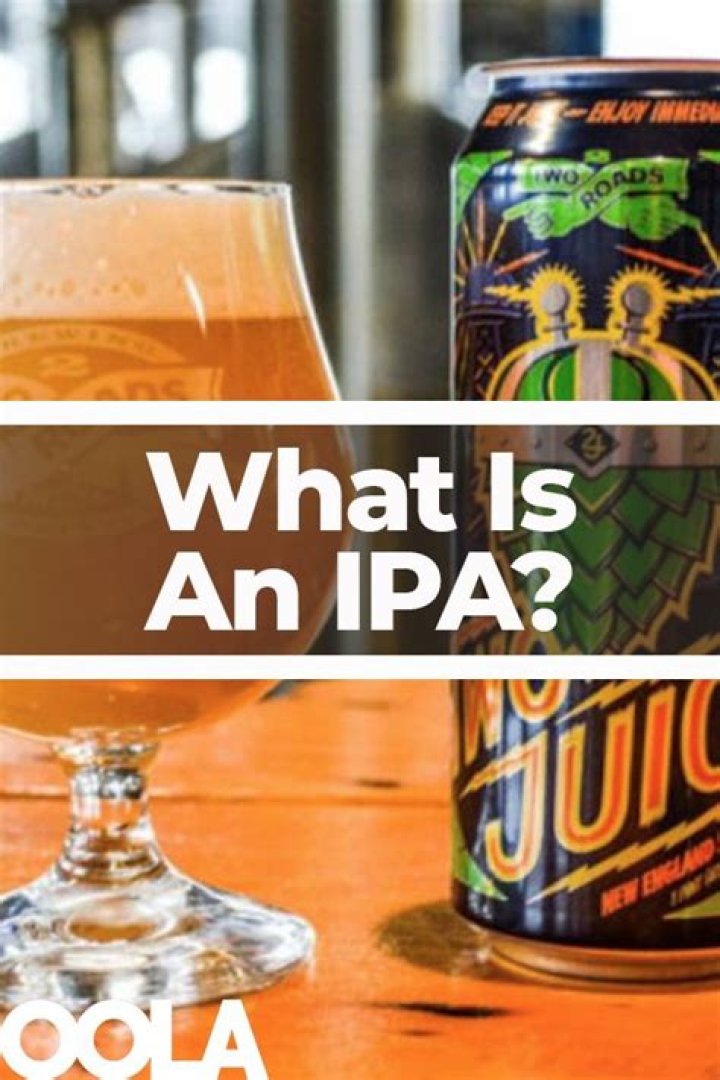
India Pale Ale, or IPA beer, has become one of the most popular styles of craft beer worldwide. Its distinct flavor profile and rich history make it a favorite among beer enthusiasts. Whether you're a casual drinker or a beer connoisseur, understanding what IPA beer means can enhance your appreciation of this iconic beverage.
IPA beer, short for India Pale Ale, has a fascinating backstory that dates back to the 18th century. Initially crafted to withstand long voyages from Britain to India, this beer style has evolved over the years. Today, it is celebrated for its bold hops, aromatic notes, and diverse variations.
As we delve deeper into the world of IPAs, this article will explore its origins, brewing process, popular varieties, and why it continues to captivate beer lovers. Whether you're curious about the history of IPAs or eager to learn how to pair them with food, this guide has everything you need to know.
The History of IPA Beer
The origins of India Pale Ale trace back to the late 18th century when British brewers sought to create a beer that could survive the long sea journey to India. During this time, beer was a vital part of the British lifestyle, and soldiers and settlers stationed in India craved a taste of home.
To ensure the beer's longevity, brewers increased the alcohol content and added extra hops, which acted as a natural preservative. The result was a pale ale with a robust flavor that became immensely popular in India and later in Britain itself.
Over the years, the IPA evolved, giving rise to various styles that cater to different tastes. From the traditional English IPA to the modern American IPA, the journey of this beer style is a testament to its enduring appeal.
Early Beginnings of IPA Beer
The concept of exporting beer to India began in the 1700s, but it wasn't until George Hodgson of Bow Brewery in London perfected the recipe that the IPA gained prominence. His brewery became synonymous with high-quality beer that could withstand the rigors of long sea voyages.
Hodgson's success inspired other brewers to experiment with their recipes, leading to the development of unique IPA styles that would eventually influence the global beer industry.
Types of IPA Beer
Today, IPA beer comes in various forms, each offering a distinct taste and aroma. Understanding the different types can help you find the perfect IPA to suit your palate.
- English IPA: Known for its balanced bitterness and earthy hop flavors.
- American IPA: Characterized by its bold, citrusy, and piney hop aromas.
- New England IPA (NEIPA): Famous for its hazy appearance and juicy, tropical fruit flavors.
- Double IPA (DIPA): Offers a higher alcohol content and intensified hop flavors.
- Session IPA: A lighter version with lower alcohol content, perfect for casual drinking.
The Brewing Process of IPA Beer
Brewing an IPA involves a meticulous process that highlights the beer's unique characteristics. From selecting the right hops to perfecting the fermentation, every step plays a crucial role in determining the final product.
Hops: The star ingredient in IPAs, hops contribute to the beer's bitterness, aroma, and flavor. Brewers often use a combination of hop varieties to achieve the desired profile.
Malt: While hops dominate the flavor, malt provides the necessary sweetness and body to balance the beer.
Fermentation: The fermentation process is carefully controlled to ensure the IPA retains its distinct qualities. Brewers may use specific yeast strains to enhance the beer's aroma and taste.
Flavor Profile of IPA Beer
The flavor profile of an IPA can vary significantly depending on its type and brewing technique. However, certain characteristics are common across most IPAs:
- Bitterness: IPAs are known for their pronounced bitterness, which comes from the high alpha acid content in hops.
- Aroma: The aromatic qualities of an IPA range from citrusy and floral to piney and tropical.
- Body: While some IPAs have a light, crisp body, others offer a fuller, more substantial mouthfeel.
Experimenting with different IPAs allows you to discover the nuances of this versatile beer style.
Factors Affecting IPA Flavor
Several factors influence the flavor of an IPA, including:
- Hop Variety: Different hop strains contribute unique flavors and aromas.
- Brewing Technique: Techniques like dry hopping enhance the beer's hoppy character.
- Water Profile: The mineral content of the water used in brewing can affect the beer's taste.
Health Benefits and Considerations
While IPA beer is enjoyed by many, it's essential to consider its health implications. Moderate consumption of beer can offer certain benefits, but excessive intake poses risks.
Health Benefits: Beer contains antioxidants, vitamins, and minerals that may contribute to heart health and bone density. Additionally, the silicon content in beer is believed to support bone health.
Considerations: IPAs, especially those with higher alcohol content, should be consumed in moderation to avoid negative health effects. Always drink responsibly and consult a healthcare professional if you have concerns.
IPA Beer and Nutrition
A standard 12-ounce serving of IPA beer typically contains:
- Calories: Approximately 150-200 calories, depending on the brand and alcohol content.
- Carbohydrates: Around 10-15 grams of carbohydrates.
- Alcohol: 5-9% alcohol by volume (ABV), with variations depending on the style.
IPA Beer Pairing with Food
Pairing IPA beer with food can elevate your dining experience. The beer's bold flavors make it an excellent match for hearty dishes and spicy cuisine.
- Spicy Dishes: The bitterness of an IPA complements the heat of spicy foods, creating a harmonious balance.
- Grilled Meats: IPAs pair well with grilled meats, such as burgers, steaks, and sausages.
- Seafood: Citrusy IPAs enhance the flavors of seafood dishes like shrimp and scallops.
Experiment with different combinations to find your ideal pairing.
Best Foods to Pair with IPA Beer
Some popular food pairings for IPA beer include:
- Indian Cuisine: The bold flavors of IPAs complement the rich spices found in Indian dishes.
- Mexican Food: IPAs with tropical fruit notes pair beautifully with Mexican dishes like tacos and enchiladas.
- Barbecue: The smoky and savory flavors of barbecue are enhanced by the hoppy character of an IPA.
Popularity of IPA Beer
In recent years, IPA beer has gained immense popularity, particularly in the craft beer scene. Its rise can be attributed to the growing interest in unique and flavorful beverages.
Craft breweries around the world have embraced the IPA trend, offering innovative takes on this classic style. From experimental hop combinations to collaborations with renowned chefs, the IPA market continues to evolve.
As more people discover the joys of IPA beer, its popularity is expected to grow, making it a staple in bars, restaurants, and homes alike.
IPA Beer in the Global Market
IPA beer has made a significant impact on the global beer market, with sales steadily increasing year over year. According to industry reports, the craft beer segment, led by IPAs, accounts for a substantial share of the beer market.
Regions like the United States, the United Kingdom, and Australia have seen a surge in IPA consumption, driven by the rise of craft breweries and beer enthusiasts.
IPA Beer Statistics and Trends
Data and statistics provide valuable insights into the IPA beer market and its trends. Here are some key findings:
- Market Growth: The global craft beer market, dominated by IPAs, is projected to grow at a CAGR of 12.5% from 2023 to 2030.
- Consumer Preferences: Surveys indicate that younger consumers are more likely to prefer IPAs over other beer styles.
- Innovation: Breweries are constantly experimenting with new hop varieties and brewing techniques to create unique IPA offerings.
These statistics highlight the dynamic nature of the IPA market and its potential for further growth.
Emerging Trends in IPA Beer
Some emerging trends in the IPA beer industry include:
- Sustainability: Breweries are focusing on eco-friendly practices, such as reducing water usage and recycling waste.
- Low-ABV Options: The demand for session IPAs and low-alcohol alternatives is on the rise.
- International Collaborations: Breweries are partnering across borders to create limited-edition IPAs that cater to global audiences.
Frequently Asked Questions About IPA Beer
What Makes an IPA Different from Other Beers?
An IPA differs from other beers primarily due to its higher hop content, which results in a more pronounced bitterness and aroma. Additionally, IPAs often have a higher alcohol content compared to lighter beer styles.
Are IPAs Always Bitter?
Not all IPAs are bitter. While traditional IPAs have a noticeable hoppy character, styles like New England IPAs focus more on fruity and juicy flavors, offering a smoother drinking experience.
How Should I Store IPA Beer?
To preserve the quality of IPA beer, store it in a cool, dark place away from direct sunlight. Avoid temperature fluctuations, as they can affect the beer's flavor and aroma.
Conclusion
India Pale Ale, or IPA beer, has come a long way since its inception as a solution to preserve beer during long sea voyages. Today, it stands as a symbol of innovation and creativity in the beer industry, offering a wide range of styles and flavors to suit every palate.
By understanding the history, brewing process, and pairing possibilities of IPA beer, you can fully appreciate its complexity and charm. Whether you're savoring a classic English IPA or exploring the latest hazy NEIPA, this versatile beer style promises an unforgettable experience.
We encourage you to share your thoughts and experiences with IPA beer in the comments below. For more insights into the world of beer, explore our other articles and stay updated on the latest trends in the brewing industry.


