What is a Hickey? A Comprehensive Guide to Understanding, Prevention, and Treatment
By Matthew Harrington
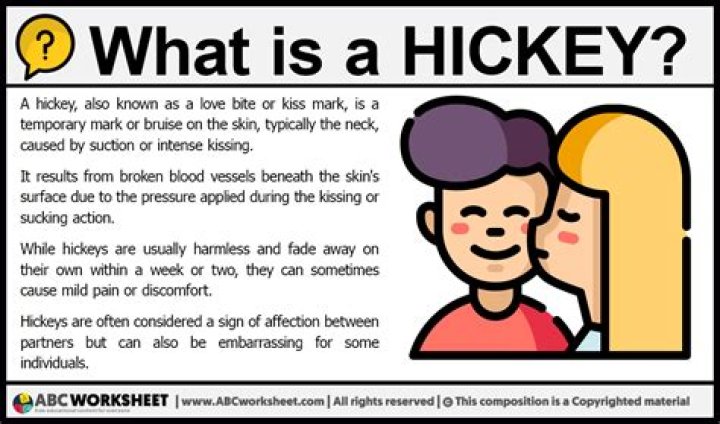
Hickeys are a common occurrence for many people, and while they may seem like a harmless mark of affection, they can be embarrassing and sometimes even painful. If you've ever wondered what exactly a hickey is, how it forms, and how to treat or prevent it, you're in the right place. This article will delve into everything you need to know about hickeys, from their biological causes to effective remedies.
Although often associated with romantic relationships, hickeys are more than just a visible sign of intimacy. They are a form of bruising caused by suction on the skin, which can lead to the rupture of small blood vessels beneath the surface. Understanding the science behind them can help you address any concerns or misconceptions about their appearance and duration.
In this guide, we'll explore the causes, treatment options, prevention methods, and even some myths surrounding hickeys. Whether you're looking for ways to cover up a hickey or simply want to learn more about this phenomenon, this article will provide you with all the information you need to make informed decisions.
What is a Hickey?
A hickey is essentially a bruise that forms when the skin is subjected to suction or pressure. This action can cause tiny blood vessels, known as capillaries, to break, leading to blood pooling under the skin. The result is a red or purple mark that can last anywhere from a few days to a couple of weeks, depending on the individual's healing process.
While hickeys are most commonly associated with romantic relationships, they can also occur accidentally, such as during sports or physical activities where the skin is subjected to intense pressure. Regardless of how they form, understanding their nature can help you manage them more effectively.
Causes of Hickeys
1. Suction and Pressure
The primary cause of a hickey is suction applied to the skin. This can happen during kissing, biting, or any activity where the skin is subjected to prolonged pressure. The suction creates a vacuum effect that ruptures capillaries beneath the skin, resulting in a visible mark.
2. Skin Sensitivity
Some individuals have more sensitive skin, making them more prone to developing hickeys. Factors such as age, skin type, and overall health can influence how easily a person gets a hickey.
Types of Hickeys
Hickeys can vary in size, shape, and color depending on the severity of the suction and the individual's skin type. Here are some common types:
- Red Hickey: Typically appears immediately after the suction occurs and is the result of surface-level capillary damage.
- Purple Hickey: Indicates deeper capillary rupture and may take longer to heal.
- Yellow Hickey: A sign of healing, as the body reabsorbs the pooled blood over time.
How to Treat Hickeys
1. Cold Compression
Applying a cold compress to the affected area can help reduce swelling and minimize blood pooling. This method is most effective when applied immediately after the hickey forms.
2. Warm Compress
After the initial swelling has subsided, using a warm compress can promote blood circulation and speed up the healing process. This should be done a few days after the hickey appears.
3. Arnica Gel
Arnica gel is a natural remedy known for its anti-inflammatory properties. Applying it to the hickey can help reduce discoloration and accelerate healing.
Prevention Tips
While hickeys are often seen as a sign of affection, they can be embarrassing in certain situations. Here are some tips to help prevent them:
- Avoid applying excessive suction to the skin.
- Use a soft cloth or barrier between the skin and the source of pressure.
- Be mindful of sensitive areas, such as the neck or chest, where hickeys are more likely to form.
Common Myths About Hickeys
Myth 1: Hickeys Are Permanent
Contrary to popular belief, hickeys are not permanent. They typically fade within a few days to a couple of weeks as the body reabsorbs the pooled blood.
Myth 2: Hickeys Indicate Unhealthy Skin
While some people may be more prone to developing hickeys, they are not a direct indicator of skin health. Factors such as genetics and skin sensitivity play a larger role in their formation.
Hickeys and Health Concerns
In most cases, hickeys are harmless and do not pose any significant health risks. However, if you notice unusual symptoms such as excessive pain, swelling, or signs of infection, it is important to consult a healthcare professional. These could be indications of an underlying issue that requires medical attention.
How to Cover Hickeys
1. Concealers
Using a high-quality concealer can effectively cover up a hickey. Choose a shade that matches your skin tone and apply it in thin layers for a natural look.
2. Makeup Techniques
Color-correcting techniques can also help neutralize the red or purple tones of a hickey. For example, using a green-based concealer can counteract redness, while a yellow-based one can minimize purple tones.
Psychological Impact of Hickeys
While hickeys are physically harmless, they can have a psychological impact on individuals who feel self-conscious about their appearance. This can lead to anxiety or embarrassment, especially in professional or social settings. Understanding the causes and treatments of hickeys can empower individuals to manage these feelings more effectively.
Conclusion
What is a hickey? It's more than just a temporary mark of affection—it's a fascinating physiological phenomenon that can be managed with the right knowledge and techniques. By understanding the causes, treatments, and prevention methods, you can take control of how hickeys affect your life.
We encourage you to share your thoughts or experiences in the comments section below. If you found this article helpful, don't forget to share it with others who might benefit from the information. For more insightful content, explore our other articles on health, wellness, and lifestyle topics.