
What is a Knot in Wood: A Comprehensive Guide to Understanding Wood Knots
By Matthew Harrington
Wood knots are a natural characteristic of timber that can significantly impact its appearance, strength, and usability. Understanding what a knot in wood is and how it forms is essential for anyone working with wood or selecting it for various projects. Whether you're a carpenter, woodworker, or simply a homeowner looking to choose the right type of wood, this guide will provide you with the knowledge you need.
Wood knots have been a topic of interest for centuries due to their unique appearance and structural implications. These natural imperfections in wood occur when branches grow out of the tree trunk. As the tree grows, the branch becomes encapsulated within the wood, forming what we know as knots. In this article, we will explore the science behind knots in wood and their significance in woodworking.
From their formation to their impact on wood quality, understanding knots is crucial for making informed decisions. Whether you're planning a DIY project or purchasing wood for construction, learning about knots can help you achieve the desired results. Let's dive deeper into the world of wood knots and uncover their secrets.
What is a Knot in Wood?
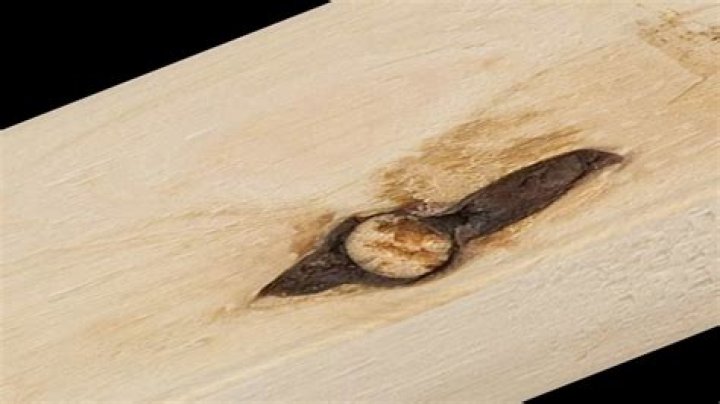
A knot in wood refers to the portion of a branch or limb that has been embedded within the trunk of a tree. These knots appear as circular or oval-shaped areas on the surface of the wood, often darker or denser than the surrounding material. Knots are classified based on their size, position, and characteristics, which can affect the wood's strength and appearance.
Understanding knots is essential for woodworkers, as they can influence the usability of the wood. For example, large knots can weaken the structural integrity of the wood, while smaller ones may add aesthetic appeal. The presence of knots can also affect how the wood is graded and priced in the market.
Formation of Knots in Wood
How Knots Form in Trees
Knots form when branches grow out of the main trunk of a tree. Over time, the tree continues to grow, encasing the branch within its trunk. The point where the branch connects to the trunk becomes the knot. This process is a natural part of tree growth and is influenced by factors such as species, environment, and genetics.
Environmental factors, such as sunlight and wind, can also play a role in the formation of knots. Trees exposed to harsh conditions may develop more knots as they grow additional branches for stability. Understanding these factors can help woodworkers predict the presence of knots in certain types of wood.
Types of Knots in Wood
Live Knots vs. Dead Knots
Knots in wood can be classified into two main categories: live knots and dead knots.
- Live knots: These knots are formed from branches that were still alive when the tree was cut down. They are typically more stable and less likely to fall out of the wood.
- Dead knots: These knots come from branches that died before the tree was harvested. Dead knots are often loose and may fall out of the wood over time.
Each type of knot has its own implications for wood quality and usability. Live knots are generally preferred in woodworking, as they are more stable and less likely to compromise the wood's strength.
Impact of Knots on Wood Quality
Strength and Durability
Knots can significantly impact the strength and durability of wood. Large knots, especially dead knots, can weaken the wood by creating stress points. These stress points can lead to cracks or splits, especially when the wood is subjected to heavy loads or extreme weather conditions.
On the other hand, small knots may not significantly affect the wood's strength and can even add character and beauty to the material. The impact of knots on wood quality depends on factors such as size, location, and type of knot.
Wood Grading System and Knots
How Knots Affect Wood Grading
Wood is graded based on its quality, which is influenced by the presence and characteristics of knots. The grading system considers factors such as knot size, frequency, and location when determining the wood's grade. Higher-grade wood typically has fewer and smaller knots, making it more suitable for structural applications.
Lower-grade wood, while less expensive, may have more knots and is often used for decorative purposes. Understanding the grading system can help you choose the right type of wood for your project based on its intended use.
Aesthetic Value of Knots
Beauty in Imperfection
While knots can sometimes be seen as imperfections, they can also add unique character and beauty to wood. Many people appreciate the natural look of knots, especially in furniture and flooring. The presence of knots can make each piece of wood distinct, adding a personal touch to any project.
Artisans often incorporate knots into their designs to enhance the visual appeal of their work. By embracing the natural characteristics of wood, they create pieces that are both functional and beautiful.
Structural Impact of Knots
Understanding the Structural Implications
When it comes to structural applications, knots can have a significant impact on the wood's performance. Large knots, particularly dead knots, can weaken the wood by creating weak points. These weak points can compromise the wood's ability to bear weight or resist stress.
Engineers and builders must carefully consider the presence of knots when selecting wood for construction projects. By choosing wood with fewer and smaller knots, they can ensure the structural integrity of their designs.
Working with Knots in Wood
Tips for Woodworkers
Woodworkers have developed various techniques for working with knots in wood. These techniques can help minimize the impact of knots on the wood's strength and appearance. Some common strategies include:
- Sanding: Sanding knots can help smooth out rough edges and improve the wood's appearance.
- Drilling: Drilling through knots can help reinforce the wood and prevent splitting.
- Filling: Filling knots with wood filler can improve the wood's structural integrity and create a more uniform surface.
By employing these techniques, woodworkers can effectively work with knots and create high-quality projects.
Preventing Knots in Wood
Selecting the Right Wood
While it's impossible to completely eliminate knots in wood, careful selection can help minimize their presence. Choosing wood from younger trees or species known for fewer knots can reduce the likelihood of encountering large or problematic knots.
Proper harvesting and processing techniques can also help prevent knots from forming. By cutting trees at the right time and processing them correctly, wood suppliers can produce higher-quality materials with fewer knots.
Frequently Asked Questions
Common Questions About Knots in Wood
Here are some frequently asked questions about knots in wood:
- What causes knots in wood? Knots are caused by branches growing out of the tree trunk and becoming encapsulated within the wood.
- Are knots good or bad? Knots can be both good and bad, depending on their size and location. Small knots can add character to wood, while large knots can weaken it.
- Can knots be removed from wood? In some cases, knots can be removed or filled to improve the wood's appearance and strength.
Kesimpulan
In conclusion, understanding what a knot in wood is and how it affects wood quality is essential for anyone working with or selecting wood. From their formation to their impact on wood's strength and appearance, knots play a significant role in woodworking. By learning about the different types of knots and how to work with them, you can make informed decisions and achieve the desired results for your projects.
We encourage you to share your thoughts and experiences with knots in wood in the comments below. Additionally, feel free to explore our other articles for more information on woodworking and related topics. Together, let's continue to learn and grow in our understanding of this fascinating material.
Data and information in this article are supported by sources such as the USDA Forest Products Laboratory and the American Woodworking Institute.

![Decoding Movie Rules: Understanding & Enjoying Films | [Movierulz] & Beyond](https://silver.isevcloud.co.uk/uploads/3-movierulz-brings-the-latest-hollywood-movierulz-news-3movierulz-also-brings-movie-news-tv-news-trailers-reviews-movierulz-articles-in-south-ind-movies-are-more-than-just-a-form-of-entertainment-they-are-a-reflection-of-culture-storytelling-and-human-emotions-understanding-the-rules-that-govern-films-can-enhance-your-viewing-experience-and-provide-deeper-insights-into-the-narratives-presented-in-this-article-we-will-explore-the-five-essential-movie-rules-that-every-cinephile-should-know-before-movierulz-2025-latest-hd-telugu-kannada-tamil-south-indian-movies-web-series-shows-kdramas-watch-at-high-quality-on-movierulz-tv-this-page-is-intended-to-document-significant-changes-to-the-movie-rules-over-the-course-of-the-site-u2019s-history-this-is-far-from-a-complete-list-with-emphasis-being-placed-on-more-recent-rule-changes-standard-goals-based-on-di-u2026-understanding-movierules-is-essential-for-filmmakers-producers-and-even-audiences-these-regulations-impact-everything-from-the-production-phase-to-distribution-and-viewership-by-adhering-to-these-rules-filmmakers-can-navigate-the-complex-landscape-of-content-creation-ensuring-their-work-is-both-legally-compliant-and-culturally-sensitive-movie-show-times-schedules-and-tickets-in-los-angeles-long-beach-anaheim-santa-ana-irvine-burbank-lakewood-santa-monica-fountain-valley-orange-pasadena-ca-when-it-comes-to-enjoying-films-understanding-the-core-principles-that-govern-cinematic-storytelling-can-elevate-your-viewing-experience-significantly-the-5-movie-rules-com-framework-offers-a-set-of-guidelines-designed-to-help-both-filmmakers-and-audiences-appreciate-the-intricacies-of-modern-cinema-in-this-article-we-will-explore-these-five-essential-rules-and-this-combination-of-comfort-variety-and-free-access-makes-movierulz-profoundly-attractive-especially-for-viewers-on-a-tight-budget-the-dark-side-of-piracy-we-would-like-to-show-you-a-description-here-but-the-site-won-u2019t-allow-us-movierulz-com-movierulz-latest-bollywood-and-hollywood-movies-watch-online-full-free-movierulz-is-wide-range-collection-of-telugu-movies-tamil-malayalam-bengali-kannada-movierulz-movierulz-provide-a-wide-range-of-telugu-movies-tamil-malayalam-and-hindi-movies-watch-full-telugu-movies-online-anytime-anywhere-on-zee5-also-explore-41-telugu-movies-online-in-full-hd-from-our-latest-telugu-movies-collection-movies-are-more-than-just-a-form-of-entertainment-they-are-a-reflection-of-culture-storytelling-and-human-emotions-understanding-the-rules-that-govern-films-can-enhance-your-viewing-experience-and-provide-deeper-insights-into-the-narratives-presented-in-this-article-we-will-explore-the-five-essential-movie-rules-that-every-cinephile-should-know-before-movierulz-latest-featured-telugu-movies-watch-online-download-full-free-collection-of-bollywood-movies-tamil-malayalam-dubbed-kannada-5movierulz-movierulz-is-a-piracy-website-that-leaks-the-tamil-telugu-kannada-hindi-movies-and-allows-users-to-download-movies-in-free-check-out-the-latest-news-and-updates-on-meta-movierulz-here-enjoy-watching-new-telugu-movies-release-of-2025-experience-the-latest-and-new-south-indian-movies-on-your-mobile-device_720.jpg)

