
What is a Millennial Generation? Understanding the Era of Digital Natives
By John Peck
The term "Millennial generation" has become a buzzword in recent years, often used to describe a group of people who grew up during a transformative period in history. This generation is marked by its unique characteristics, values, and relationship with technology. But what exactly defines the Millennial generation, and why is it so significant? In this article, we will explore the meaning of Millennials, their defining traits, and their impact on society.
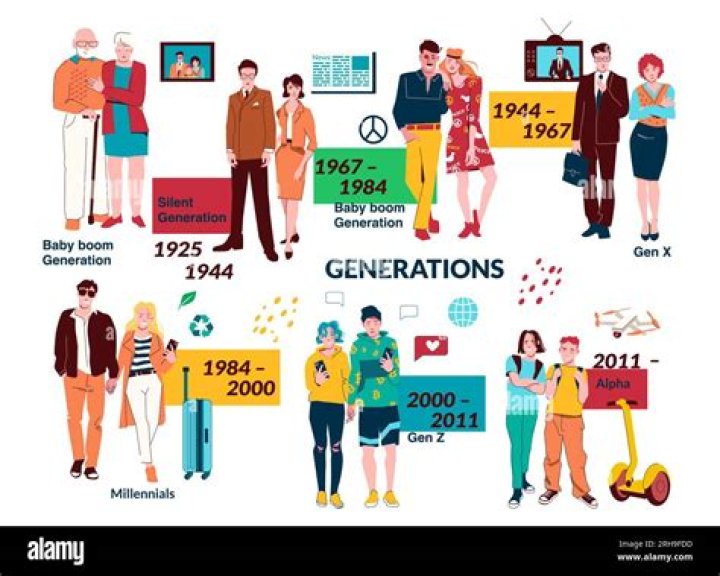
Millennials, also known as Generation Y, represent a demographic cohort born between the early 1980s and the mid-1990s to early 2000s. They are often described as the first true digital natives, growing up alongside the rise of the internet, mobile phones, and social media. This generation has left an indelible mark on global culture, business practices, and societal norms.
Understanding the Millennial generation is crucial for businesses, policymakers, and anyone seeking to engage with this influential group. In this article, we will delve into the history, characteristics, and societal contributions of Millennials, providing valuable insights into their role in shaping the modern world.
Defining the Millennial Generation
The Millennial generation is typically defined as individuals born between 1981 and 1996, according to the Pew Research Center. However, the exact years may vary depending on the source. This generation is distinct from the Baby Boomers and Generation X, as well as the subsequent Generation Z. Millennials are known for their adaptability to technological advancements and their focus on social issues.
Key Characteristics of Millennials
- Technologically Savvy: Millennials grew up during the dawn of the digital age, making them highly adept at using technology.
- Value Diversity: This generation places a strong emphasis on inclusivity and acceptance of diverse cultures and identities.
- Entrepreneurial Spirit: Many Millennials are drawn to entrepreneurship and seek opportunities to create their own businesses.
Millennial Generation: A Historical Perspective
To truly understand the Millennial generation, it is essential to examine the historical context in which they were raised. Born during a period of rapid technological advancement and globalization, Millennials witnessed significant changes in communication, education, and employment. Events such as the dot-com boom and the rise of social media platforms have shaped their worldview.
Growing Up in the Digital Age
The Millennial generation is often referred to as digital natives because they were the first to grow up with widespread access to the internet and digital devices. This exposure to technology from an early age has influenced their communication styles, learning preferences, and career aspirations.
Impact of the Millennial Generation on Society
The influence of Millennials extends far beyond their personal lives. They have played a pivotal role in driving societal changes, particularly in areas such as workplace dynamics, consumer behavior, and social activism.
Workplace Trends Shaped by Millennials
- Preference for flexible work arrangements
- Focus on work-life balance
- Emphasis on corporate social responsibility
Millennials and Technology
Technology is at the core of the Millennial experience. From smartphones to social media platforms, this generation has embraced digital tools to enhance their daily lives. Their reliance on technology has also sparked debates about its impact on mental health and interpersonal relationships.
The Rise of Social Media
Social media platforms like Facebook, Twitter, and Instagram have become integral to the lives of Millennials. These platforms provide opportunities for self-expression, networking, and activism, but they also pose challenges related to privacy and online harassment.
Economic Challenges Faced by Millennials
Despite their technological prowess, Millennials have faced significant economic challenges. The Great Recession of 2008, rising student debt, and increasing housing costs have affected their financial stability. However, many Millennials have found creative ways to navigate these obstacles, often turning to gig economy jobs and side hustles.
Student Debt and Its Impact
One of the defining characteristics of the Millennial generation is the burden of student debt. According to a report by the Federal Reserve, the average student loan debt for Millennials exceeds $30,000. This financial strain has influenced their decisions regarding homeownership, marriage, and family planning.
Cultural Contributions of Millennials
Millennials have made significant cultural contributions, particularly in the realms of music, fashion, and entertainment. Their appreciation for diversity and inclusivity has led to the celebration of various cultural expressions and the promotion of social justice causes.
Music and Entertainment Trends
The Millennial generation has witnessed the rise of streaming services like Spotify and Netflix, transforming the way people consume music and movies. This shift has given rise to new genres and formats, catering to the diverse tastes of Millennials.
Millennials and Social Activism
Social activism is a key aspect of the Millennial identity. This generation is deeply engaged in issues such as climate change, racial equality, and LGBTQ+ rights. Their use of social media as a platform for advocacy has amplified their voices and led to meaningful change.
Environmental Concerns
Millennials are among the most environmentally conscious generations, advocating for sustainable practices and policies to combat climate change. Their commitment to eco-friendly living has influenced consumer behavior and corporate responsibility.
Millennials vs. Other Generations
Comparing Millennials to other generations highlights the unique qualities that set them apart. While Baby Boomers and Generation X may have different values and priorities, Millennials bring a fresh perspective to the table, challenging traditional norms and embracing innovation.
Generational Differences in Workplace Values
In the workplace, Millennials prioritize collaboration, feedback, and professional development. This contrasts with the more hierarchical structures favored by previous generations, leading to a shift in organizational culture.
Future Prospects for Millennials
As Millennials continue to age, their influence on society will only grow. Their adaptability, creativity, and commitment to social progress position them as leaders in shaping the future. However, ongoing challenges such as economic inequality and political polarization must be addressed to ensure their long-term success.
Preparing for the Future
To thrive in the years ahead, Millennials must continue to embrace lifelong learning, technological advancements, and collaborative approaches to problem-solving. By doing so, they can contribute to a more equitable and sustainable world.
Conclusion
In conclusion, the Millennial generation represents a unique cohort with distinct characteristics and values. Their adaptability to technology, focus on social issues, and entrepreneurial spirit have left a lasting impact on society. By understanding the Millennial generation, we can better appreciate their contributions and address the challenges they face.
We invite you to share your thoughts and experiences as a Millennial or someone interacting with this generation. Leave a comment below, and don't forget to explore other articles on our website for more insights into generational trends and societal changes.
References:
- Pew Research Center. (2021). Defining Generations: Where Millennials End and Generation Z Begins.
- Federal Reserve. (2020). Student Loan Debt in the United States.
- World Economic Forum. (2019). The Role of Millennials in Shaping the Future.