
What is Airbnb? A Comprehensive Guide to Understanding the Definition of Airbnb
By William Brown
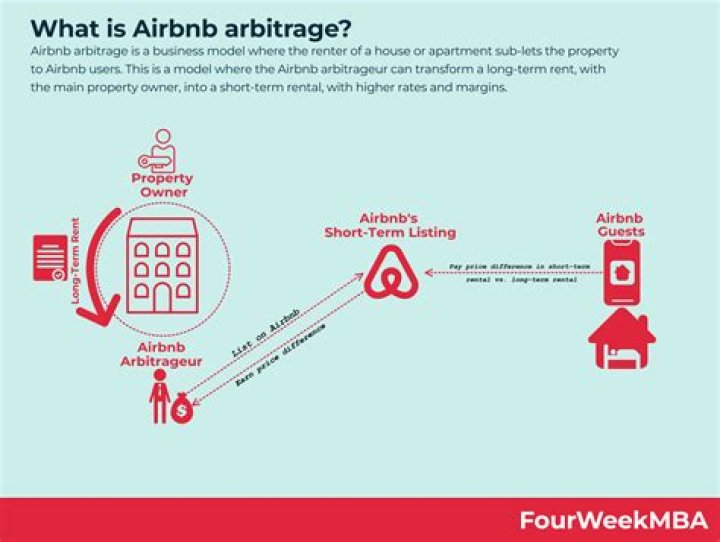
Airbnb is a global online marketplace that connects travelers with unique accommodations around the world. Since its launch in 2008, Airbnb has revolutionized the hospitality industry by offering an alternative to traditional hotels. It provides a platform where hosts can list their properties and guests can book stays in over 220 countries and regions.
Airbnb's concept is simple yet powerful. It allows individuals to monetize their unused spaces while providing travelers with personalized and authentic experiences. Whether you're looking for a cozy room, an entire apartment, or even a castle, Airbnb has something for everyone. The platform focuses on creating meaningful connections between hosts and guests.
This article will explore the definition of Airbnb, its history, how it works, its benefits, and its impact on the global travel industry. By the end of this guide, you will have a comprehensive understanding of what Airbnb is and why it has become such a popular choice for travelers worldwide.
The History of Airbnb
Airbnb was founded in 2008 by Brian Chesky, Joe Gebbia, and Nathan Blecharczyk. The idea was born out of necessity when the founders, struggling to pay rent in San Francisco, decided to rent out air mattresses in their apartment during a design conference. This experiment proved successful, and soon they launched a website called AirBedandBreakfast.com, which later became Airbnb.
Key Milestones in Airbnb's History
- 2008: Airbnb is founded in San Francisco.
- 2010: Airbnb surpasses 1 million nights booked globally.
- 2016: Airbnb expands its services beyond accommodations with the launch of Airbnb Experiences.
- 2020: Airbnb goes public, becoming one of the most valuable travel companies in the world.
Today, Airbnb is valued at billions of dollars and continues to expand its services, offering not only accommodations but also unique travel experiences and activities.
How Airbnb Works
Using Airbnb is straightforward for both hosts and guests. Here's a step-by-step guide on how the platform operates:
For Guests
- Search for accommodations based on location, dates, and preferences.
- View listings with detailed descriptions, photos, and reviews.
- Book a stay directly through the platform.
- Communicate with the host to arrange check-in and check-out details.
For Hosts
- Create a profile and list your property with accurate details and photos.
- Set pricing and availability based on your preferences.
- Respond to inquiries from potential guests.
- Manage bookings and reviews through the platform.
Airbnb ensures a seamless experience for both parties by providing tools and resources to facilitate communication and transaction.
Types of Accommodations Available on Airbnb
Airbnb offers a wide variety of accommodations to suit different preferences and budgets. Some of the most popular types include:
- Private Rooms: Ideal for solo travelers or couples looking for affordability.
- Entire Homes/Apartments: Perfect for families or groups seeking more space and privacy.
- Unique Stays: From treehouses to yurts, these listings provide unforgettable experiences.
- Luxury Properties: High-end accommodations for those seeking premium amenities.
Regardless of your travel style, Airbnb has something to offer for every type of traveler.
Benefits of Using Airbnb
Airbnb offers numerous advantages over traditional hotel stays. Here are some of the key benefits:
For Guests
- Cost-Effective: Airbnb often provides more affordable options compared to hotels.
- Flexibility: Choose from a wide range of accommodations to fit your needs.
- Authentic Experiences: Stay in local neighborhoods and immerse yourself in the culture.
For Hosts
- Extra Income: Monetize your unused spaces and generate revenue.
- Control: Set your own prices and availability.
- Community Building: Connect with travelers from around the world.
These benefits make Airbnb an attractive option for both travelers and property owners.
Understanding Airbnb Costs
When using Airbnb, it's important to understand the various costs involved. These include:
Guest Fees
- Service Fee: A percentage charged to guests for using the platform.
- Cleaning Fee: Often added by hosts to cover cleaning expenses.
Host Fees - Service Fee: A percentage charged to hosts for each booking.
- Taxes: Hosts may need to collect and remit local taxes depending on their location.
Transparency in pricing is one of Airbnb's strengths, ensuring both parties understand the financial aspects of a booking.
Safety Measures on Airbnb
Airbnb prioritizes the safety of its users through various measures:
- Verified Profiles: Both hosts and guests are encouraged to verify their identities.
- Guest Refund Policy: Protects guests in case of unforeseen issues with their stay.
- 24/7 Support: Airbnb offers round-the-clock assistance for any emergencies.
These safety features help build trust and confidence in the platform.
The Impact of Airbnb on the Travel Industry
Airbnb has significantly disrupted the traditional hospitality sector. Its impact can be seen in several ways:
Economic Impact
- Job Creation: Airbnb has created opportunities for individuals to become hosts and earn additional income.
- Increased Tourism: By offering unique and affordable options, Airbnb has attracted more travelers to destinations worldwide.
Challenges for Hotels
- Competition: Hotels face increased competition from Airbnb listings.
- Regulation: Governments are implementing new regulations to address the rise of short-term rentals.
Airbnb's influence continues to shape the future of travel and accommodation.
Airbnb Regulations and Policies
To ensure compliance and maintain quality, Airbnb enforces strict regulations and policies:
- Listing Standards: Hosts must adhere to specific guidelines when listing their properties.
- Community Guidelines: Both hosts and guests are expected to follow a code of conduct promoting respect and safety.
- Legal Compliance: Airbnb works with local governments to ensure hosts meet all legal requirements.
These policies help maintain the integrity of the platform and protect its users.
Tips for Hosting and Booking on Airbnb
Whether you're a guest or a host, here are some tips to make the most of your Airbnb experience:
For Guests
- Read Reviews: Check reviews for insights into the host's reliability and the property's condition.
- Communicate: Reach out to the host with any questions or special requests.
For Hosts
- Optimize Listings: Use high-quality photos and detailed descriptions to attract guests.
- Be Responsive: Respond promptly to inquiries to increase your chances of bookings.
Following these tips can enhance your Airbnb experience and lead to positive outcomes for both parties.
The Future of Airbnb
Airbnb continues to innovate and expand its services. Some future developments include:
- Experiences Expansion: Offering more unique and immersive travel experiences.
- Sustainability Initiatives: Promoting eco-friendly practices among hosts and guests.
- Technological Advancements: Utilizing AI and machine learning to improve the user experience.
As the world evolves, Airbnb remains committed to providing innovative solutions for travelers and hosts alike.
Conclusion
Airbnb has transformed the way we travel by offering a diverse range of accommodations and experiences. Its user-friendly platform, combined with safety measures and transparent policies, makes it a trusted choice for millions of people worldwide.
We encourage you to explore Airbnb for your next trip or consider becoming a host to share your space with travelers. Don't forget to leave a comment below sharing your thoughts on Airbnb or suggesting topics you'd like us to cover in future articles. Thank you for reading, and happy travels!


