
What is Gestation for Cats: A Comprehensive Guide to Feline Pregnancy
By Sophia Edwards
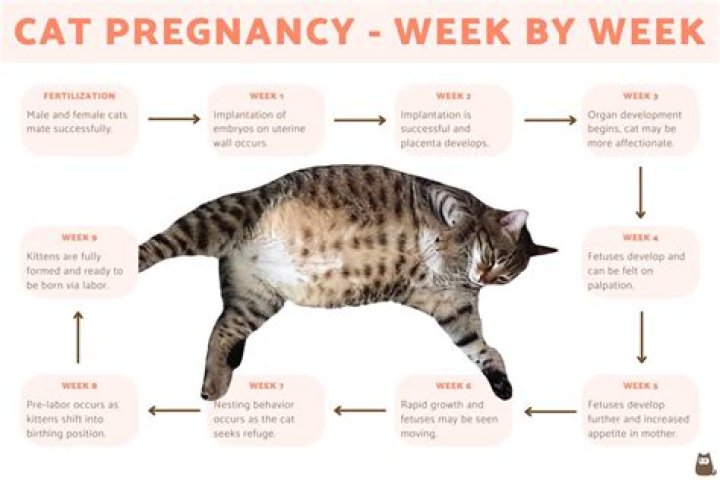
Cat gestation refers to the period during which a female cat carries kittens in her womb before giving birth. Understanding this critical phase is essential for cat owners and enthusiasts who wish to ensure the health and well-being of both the mother and her kittens. Whether you're a first-time cat owner or simply curious about feline reproduction, this article will provide you with all the information you need to know about cat gestation.
Cats are one of the most beloved pets worldwide, and their reproduction process is both fascinating and intricate. For those who own a female cat, it's crucial to recognize the signs of pregnancy and understand what to expect during gestation. This knowledge can help you prepare for the arrival of new kittens and ensure a smooth birthing process.
In this article, we will explore the stages of cat gestation, signs to look for, potential complications, and how to care for a pregnant cat. By the end of this guide, you'll have a comprehensive understanding of feline pregnancy and be better equipped to support your furry friend through this significant life event.
Overview of Cat Gestation
Cat gestation is a natural and vital process in the reproduction of felines. It begins when a female cat becomes pregnant after mating with a male cat. During this period, the fertilized eggs develop into kittens inside the mother's womb. Understanding the basics of gestation is important for anyone involved in caring for pregnant cats.
Why is Understanding Gestation Important?
Knowing the duration and stages of cat gestation can help owners provide appropriate care and support for their pregnant cats. It also allows for early detection of any potential complications that may arise during pregnancy.
How Long is Cat Gestation?
The average length of cat gestation is approximately 63 to 67 days, although it can vary slightly depending on the individual cat. This timeframe begins from the day of successful mating and ends with the birth of the kittens.
Factors Affecting Gestation Length
- Age of the mother cat
- Health condition of the mother
- Breed of the cat
- Number of kittens in the litter
Signs of Pregnancy in Cats
Identifying the signs of pregnancy in cats is crucial for providing timely care. While some signs may not be apparent until a few weeks into gestation, others can be noticed early on.
Common Signs of Pregnancy
- Enlarged nipples (also known as "pinking up")
- Increased appetite
- Weight gain
- Behavioral changes, such as increased affection or restlessness
- Vomiting or morning sickness
Stages of Cat Gestation
Cat gestation can be divided into several stages, each with its own set of developments and requirements.
Stage 1: Early Pregnancy (Days 1-20)
During the first stage of gestation, the fertilized eggs implant in the uterine lining. The mother cat may exhibit mild changes in behavior and appetite.
Stage 2: Mid-Pregnancy (Days 21-45)
In this stage, the kittens begin to develop more noticeably. The mother's abdomen will start to enlarge, and her appetite will increase significantly.
Stage 3: Late Pregnancy (Days 46-67)
As the due date approaches, the mother cat will prepare for birthing. She may seek out a quiet and comfortable place to nest and may experience a decrease in appetite shortly before delivery.
Nutritional Needs During Gestation
A pregnant cat requires a balanced and nutrient-rich diet to support the growth of her kittens and maintain her own health. Proper nutrition is vital throughout the gestation period.
Key Nutrients for Pregnant Cats
- High-quality protein
- Healthy fats
- Vitamins and minerals, such as calcium and phosphorus
Consult with a veterinarian to determine the best diet plan for your pregnant cat. They may recommend a specialized kitten formula, which provides higher levels of essential nutrients.
Healthcare for Pregnant Cats
Regular veterinary check-ups are crucial for monitoring the health of a pregnant cat. These visits can help detect and address any issues that may arise during gestation.
Vaccinations and Preventive Care
Ensure that your cat is up to date with vaccinations and parasite prevention treatments before and during pregnancy. This helps protect both the mother and her kittens from infectious diseases.
Potential Complications During Gestation
While most pregnancies progress smoothly, some complications can occur. Being aware of these possibilities allows for prompt intervention if necessary.
Common Complications
- Miscarriage
- Stillbirth
- Mammary gland infections
- Difficulty during labor
If you notice any signs of distress or abnormal behavior in your pregnant cat, contact your veterinarian immediately.
Preparing for the Birthing Process
As the due date approaches, it's important to prepare a safe and comfortable environment for your cat to give birth. This includes setting up a nesting box and ensuring the area is quiet and free from disturbances.
Tips for a Smooth Delivery
- Provide a clean and cozy nesting box
- Monitor the birthing process but avoid interfering unless necessary
- Have emergency contact information for your veterinarian readily available
Postpartum Care for Mother and Kittens
After the kittens are born, both the mother and her litter require attentive care to ensure their well-being. Proper postpartum care can help prevent complications and promote healthy development.
Caring for the Mother Cat
- Provide a nutritious diet to support milk production
- Monitor for signs of infection or illness
- Ensure she has a quiet and comfortable space to rest
Caring for the Kittens
- Check that each kitten is nursing properly
- Monitor their weight gain and overall health
- Keep them warm and protected from drafts
Conclusion and Final Thoughts
Cat gestation is a fascinating and critical phase in the life of a feline. By understanding the duration, signs, and stages of pregnancy, you can provide the best possible care for your pregnant cat. Remember to consult with a veterinarian for personalized advice and support throughout this journey.
We encourage you to share this article with fellow cat lovers and leave your thoughts or questions in the comments below. For more informative content about cats, explore our other articles on our website.
References:
- International Cat Care. (2022). Feline Pregnancy and Kitten Care.
- American Veterinary Medical Association. (2021). Reproduction in Cats.
- Merck Veterinary Manual. (2023). Gestation in Cats.


