
What is Quaaludes: A Comprehensive Guide to Understanding This Controversial Drug
By John Peck
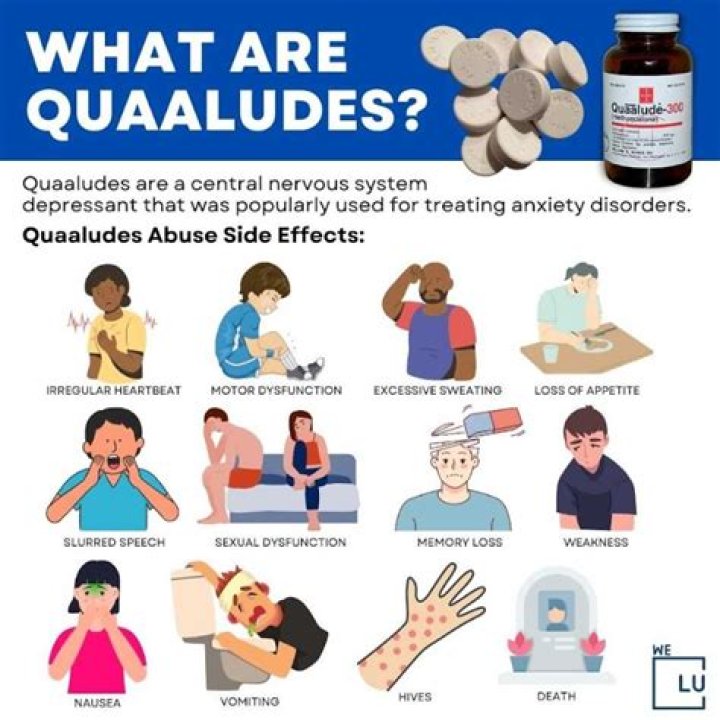
Quaaludes, a once-popular sedative-hypnotic drug, has a complex history that intertwines with medical practices, recreational misuse, and societal impacts. Its chemical name, methaqualone, was originally developed as an alternative to barbiturates for sleep disorders. However, its widespread misuse in the 1970s led to its classification as a Schedule I drug in the United States, making it illegal for medical or recreational use.
Despite its illegal status, the allure of Quaaludes persists in popular culture and historical discussions. This article aims to provide a detailed understanding of Quaaludes, exploring its origins, effects, legal status, and cultural significance. By delving into the science and history behind this drug, readers will gain a comprehensive insight into why it continues to be a topic of interest.
This guide will also address the risks associated with Quaaludes, emphasizing the importance of public awareness and education about drug misuse. Understanding the dangers of this drug is crucial for preventing its resurgence and ensuring public safety.
The Origin and Development of Quaaludes
The story of Quaaludes begins in the 1950s when the drug was first synthesized by Indian scientists in Bombay. Initially, it was marketed as a safer alternative to barbiturates for treating insomnia and anxiety. Its sedative-hypnotic properties quickly gained attention, leading to its widespread adoption in medical practices worldwide.
Why Was Quaaludes Created?
Methaqualone was developed to address the drawbacks of barbiturates, such as their high potential for overdose and addiction. Researchers believed that Quaaludes offered a more controlled and safer option for patients suffering from sleep disorders and anxiety. However, as its popularity grew, so did the misuse of the drug.
By the late 1960s, Quaaludes had become a staple in many households, prescribed for various conditions ranging from insomnia to muscle relaxation. Its reputation as a "safe" drug contributed to its over-prescription and eventual recreational abuse.
Effects and Uses of Quaaludes
Quaaludes are known for their sedative effects, which induce relaxation, drowsiness, and a sense of euphoria. These effects made it appealing not only for medical purposes but also for recreational use. Understanding the mechanisms behind its effects is essential for comprehending its appeal and dangers.
How Do Quaaludes Work?
Quaaludes work by enhancing the activity of gamma-aminobutyric acid (GABA), a neurotransmitter that inhibits brain activity. This action leads to a calming effect on the central nervous system, promoting relaxation and sleep. However, when taken in higher doses, Quaaludes can impair motor skills, judgment, and memory.
- Induces deep relaxation and sleep
- Reduces anxiety and stress
- Can impair cognitive function and motor skills
Medical Applications and Misuse
While Quaaludes were initially prescribed for legitimate medical conditions, their misuse overshadowed their intended purposes. The fine line between therapeutic use and recreational abuse became increasingly blurred, leading to significant public health concerns.
Legitimate Medical Uses
Quaaludes were primarily prescribed for:
- Treating insomnia
- Relieving anxiety
- Muscle relaxation
However, the drug's sedative properties made it susceptible to abuse, as users sought its euphoric effects and the feeling of "disassociation" it provided.
Legal Status of Quaaludes
The legal status of Quaaludes underwent significant changes as its misuse became a public health crisis. In 1984, the United States classified Quaaludes as a Schedule I drug under the Controlled Substances Act, making it illegal to manufacture, distribute, or possess the drug.
Why Was Quaaludes Banned?
The ban on Quaaludes was primarily due to its high potential for addiction and the dangers associated with its misuse. Studies showed that chronic use of the drug could lead to severe health issues, including respiratory depression, liver damage, and psychological dependence.
According to the National Institute on Drug Abuse (NIDA), the decision to classify Quaaludes as a Schedule I drug was based on its lack of accepted medical use and its high potential for abuse.
Cultural Impact and Popularity
Quaaludes became a cultural phenomenon in the 1970s, often associated with nightlife and party scenes. Its nickname, "ludes," became synonymous with the era's hedonistic lifestyle. Movies, music, and literature frequently referenced Quaaludes, cementing its place in popular culture.
Quaaludes in Pop Culture
Several notable references to Quaaludes can be found in:
- Music: Songs like "White Lines" by Grandmaster Flash and "Ludes" by Mac Miller
- Film: Movies such as "The Wolf of Wall Street" and "Boogie Nights"
- Literature: Books like "Fear and Loathing in Las Vegas" by Hunter S. Thompson
These references often depict Quaaludes as a symbol of excess and rebellion, contributing to its enduring legacy.
Risks and Dangers of Quaaludes
Despite its allure, Quaaludes pose significant risks to users. The drug's sedative effects can lead to life-threatening complications, particularly when combined with alcohol or other substances. Understanding these dangers is crucial for preventing misuse and ensuring public safety.
Short-Term Effects
Short-term effects of Quaaludes include:
- Drowsiness and confusion
- Impaired coordination
- Slurred speech
Long-Term Effects
Long-term use of Quaaludes can result in:
- Memory loss
- Depression
- Organ damage
According to a study published in the Journal of Clinical Psychiatry, chronic Quaaludes use can lead to irreversible brain damage and cognitive impairment.
Addiction and Withdrawal
Quaaludes are highly addictive, both physically and psychologically. Users often develop tolerance, requiring higher doses to achieve the desired effects. This cycle of dependency can lead to severe withdrawal symptoms when the drug is discontinued.
Withdrawal Symptoms
Common withdrawal symptoms include:
- Anxiety and agitation
- Insomnia
- Nausea and vomiting
Seeking professional help is essential for managing withdrawal symptoms and overcoming addiction. Rehabilitation programs and support groups can provide the necessary tools for recovery.
Statistics and Trends
Data from various sources highlight the historical trends and current prevalence of Quaaludes use. While its popularity has declined significantly since the 1980s, occasional reports of its use still surface, particularly in regions where it remains legal.
Key Statistics
- Quaaludes were prescribed to over 20 million people in the United States during the 1970s.
- By 1981, over 50% of drug seizures in the U.S. involved Quaaludes.
- As of 2023, Quaaludes are still used in some countries for medical purposes, although under strict regulations.
These statistics underscore the drug's historical significance and the need for continued vigilance in preventing its misuse.
Alternatives to Quaaludes
With the ban on Quaaludes, several alternatives have emerged to address the conditions it was originally prescribed for. Modern medications offer safer and more effective treatments for insomnia, anxiety, and muscle relaxation.
Recommended Alternatives
Some alternatives to Quaaludes include:
- Cognitive Behavioral Therapy (CBT) for insomnia
- Non-benzodiazepine sleep aids like zolpidem
- Anxiolytics such as buspirone
Consulting a healthcare professional is essential for determining the most appropriate treatment option.
Conclusion and Final Thoughts
Quaaludes, once a widely prescribed drug, have left an indelible mark on history due to their misuse and cultural significance. Understanding the drug's origins, effects, and risks is crucial for preventing its resurgence and ensuring public safety. While its allure may persist in popular culture, the dangers associated with Quaaludes cannot be ignored.
We urge readers to share this article and engage in discussions about drug awareness and education. By spreading knowledge and promoting responsible practices, we can work together to combat the dangers of drug misuse. For more information on related topics, explore our other articles on health and wellness.


